Skip to content
Upper Endoscopy (EGD) Services in New Jersey
AZZ Medical Associates provides upper endoscopy (EGD) services in New Jersey to evaluate the esophagus, stomach, and first part of the small intestine. Our gastroenterology team reviews your symptoms, medical history, medications, and previous test results to determine whether an upper endoscopy is appropriate.

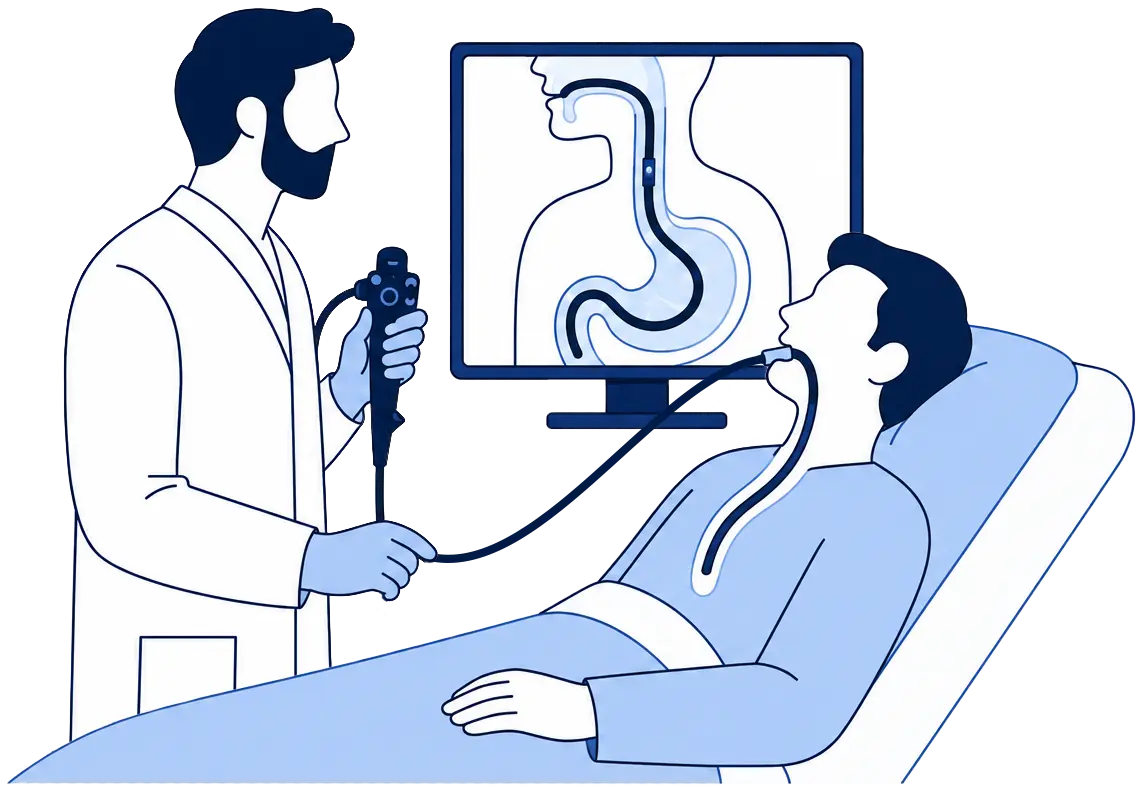
What Is an Upper Endoscopy?
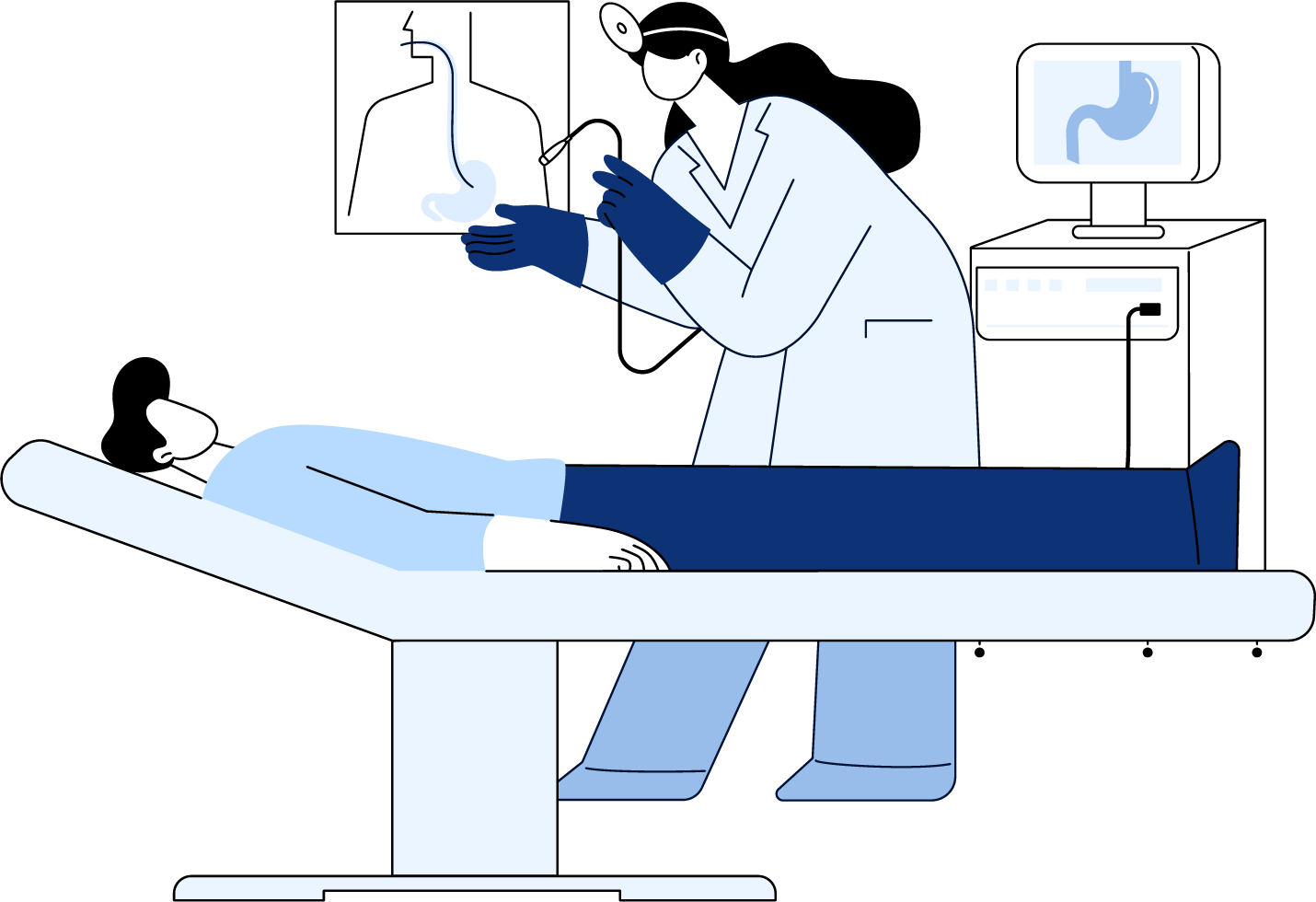
An upper endoscopy is a procedure that allows a gastroenterologist to examine the lining of the upper gastrointestinal tract using a thin, flexible tube with a small camera.
It is also known as upper GI endoscopy, EGD, or esophagogastroduodenoscopy. The procedure examines the esophagus, stomach, and duodenum, which is the first part of the small intestine.
An EGD can also allow your gastroenterologist to take a biopsy or perform certain treatments during the same procedure when needed.
When Is an Upper Endoscopy Recommended?
Not every episode of heartburn or stomach discomfort requires an endoscopy. Your gastroenterologist may recommend an EGD when symptoms are persistent, unexplained, worsening, or require further evaluation. Common reasons include:
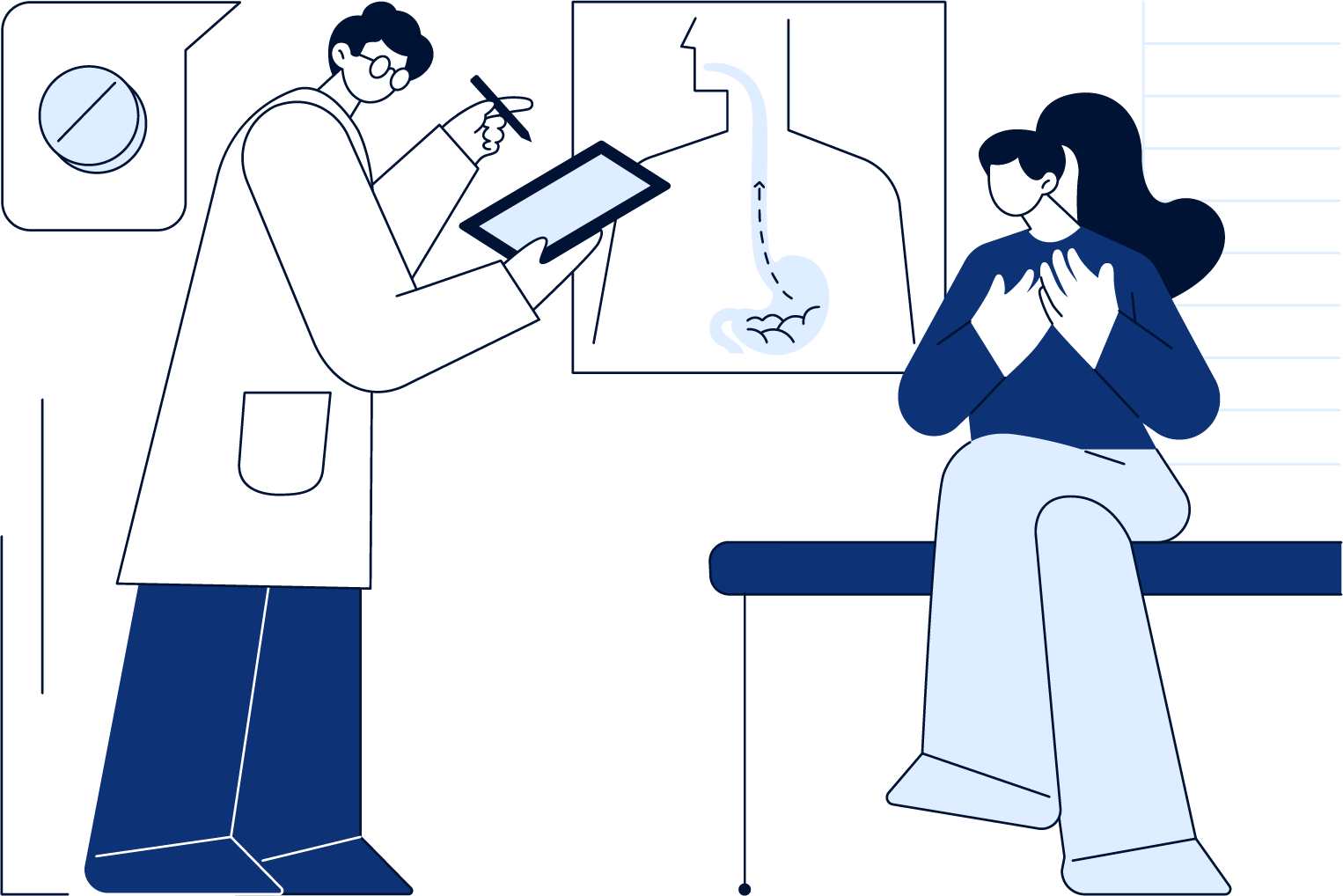
What Can an Upper Endoscopy Detect?
- GERD-related changes
- Esophagitis
- Barrett’s esophagus
- Peptic ulcers
- Gastritis
- Celiac disease
- Sources of upper GI bleeding
- Narrowing of the esophagus
- Abnormal tissue or growths
- Other structural changes
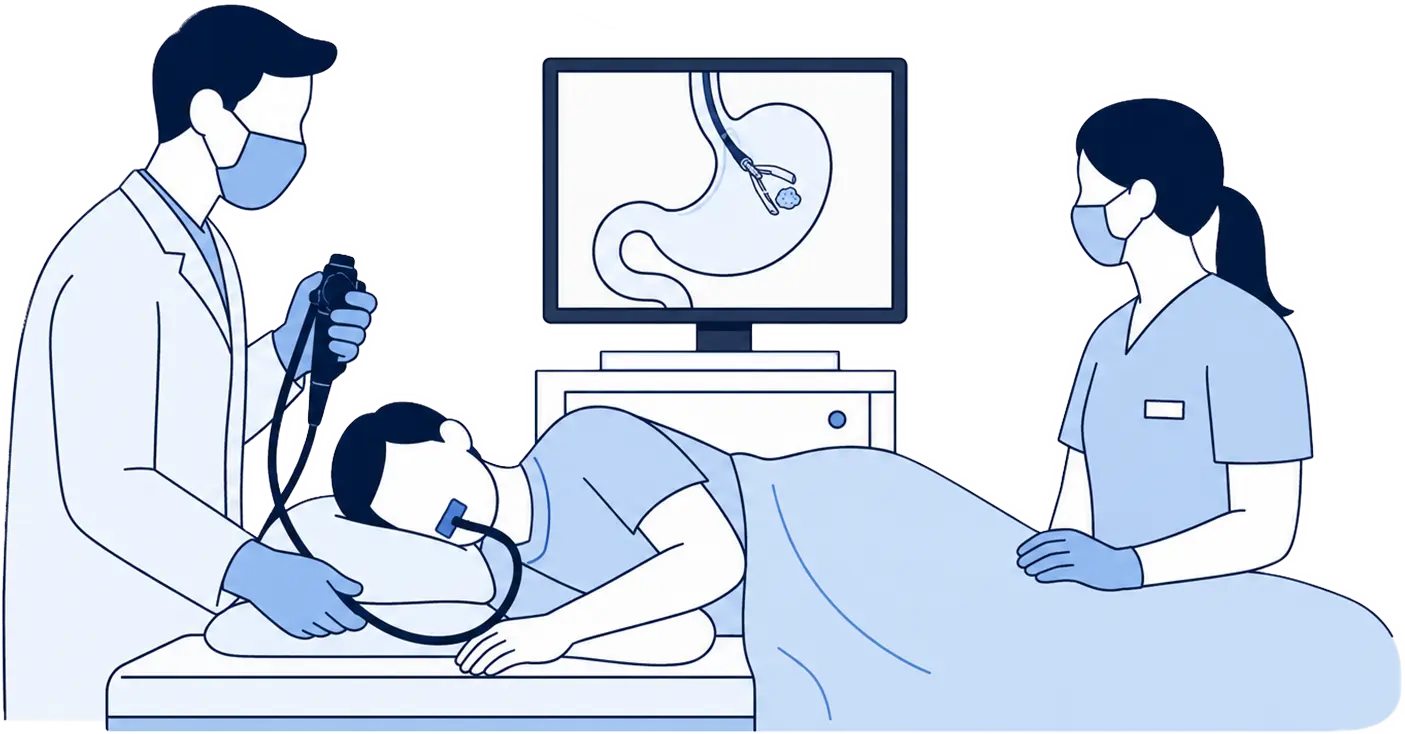
Biopsy During an Upper Endoscopy
A biopsy may be taken during an EGD to evaluate inflammation, abnormal tissue, Barrett’s esophagus, celiac disease, certain infections such as H. pylori, or other gastrointestinal conditions.
Taking a biopsy does not automatically mean cancer is suspected. Biopsies are commonly used to help confirm a diagnosis.
If tissue is collected, it is sent to a pathology laboratory. Your gastroenterologist will review the results and explain whether treatment or additional follow-up is needed.

Preparing for Your Upper Endoscopy
Your stomach needs to be empty so your gastroenterologist can clearly and safely examine the upper digestive tract.
You will receive specific instructions about when to stop eating and drinking before the procedure. Your provider may also review prescription medications, blood thinners, diabetes medications, supplements, allergies, and previous reactions to sedation.
Do not stop prescription medication unless your healthcare provider specifically instructs you to do so.
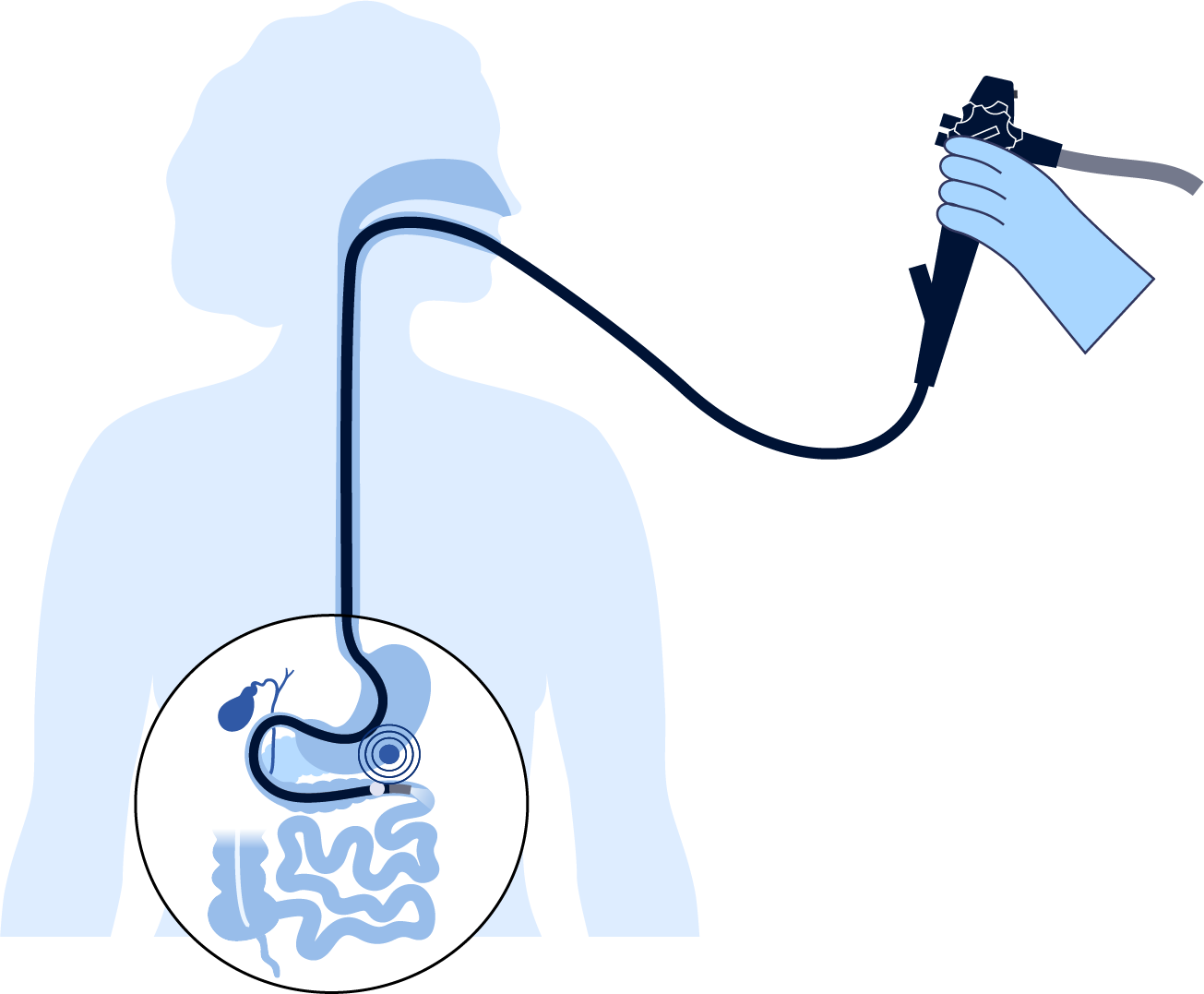
What Happens During an Upper Endoscopy?
Sedation is commonly used to help keep you comfortable during an EGD.
A gastroenterologist carefully guides the flexible endoscope through the mouth, down the esophagus, and into the stomach and duodenum. A small camera allows the lining of the upper digestive tract to be examined closely.
During the procedure, your gastroenterologist may take a biopsy, evaluate abnormal areas, treat certain sources of bleeding, or perform other necessary endoscopic treatments.
What Happens After an Upper Endoscopy?
After the procedure, you will remain in recovery while the effects of sedation wear off.
Some patients experience temporary bloating, mild nausea, or a sore throat. If sedation was used, you will generally need someone to drive you home.
Your gastroenterologist may discuss the initial findings soon after the procedure. If tissue samples were taken, pathology results may require additional time.
Your follow-up plan will depend on the findings and the reason the procedure was performed.
Our Gastroenterology Providers

William Lou, MD
Internal Medicine & Gastroenterologist

Bhanwarlal Chowdhury, MD
Internal Medicine & Gastroenterologist

Why Choose AZZ Medical Associates for Upper Endoscopy Care?
- Experienced gastroenterology providers
- Diagnostic upper endoscopy
- Evaluation of persistent upper GI symptoms
- GERD and acid reflux evaluation
- Ulcer and gastritis evaluation
- Barrett’s esophagus care
- Biopsy and pathology coordination when needed
- Personalized digestive health treatment
- In-person gastroenterology consultations
- Telehealth for appropriate follow-ups
- Same-day appointments when available
- Major insurance plans, including Medicare and Medicaid
Your care plan is based on your symptoms, medical history, test results, and individual clinical needs.
Upper Endoscopy vs. Colonoscopy
Upper Endoscopy Care in New Jersey
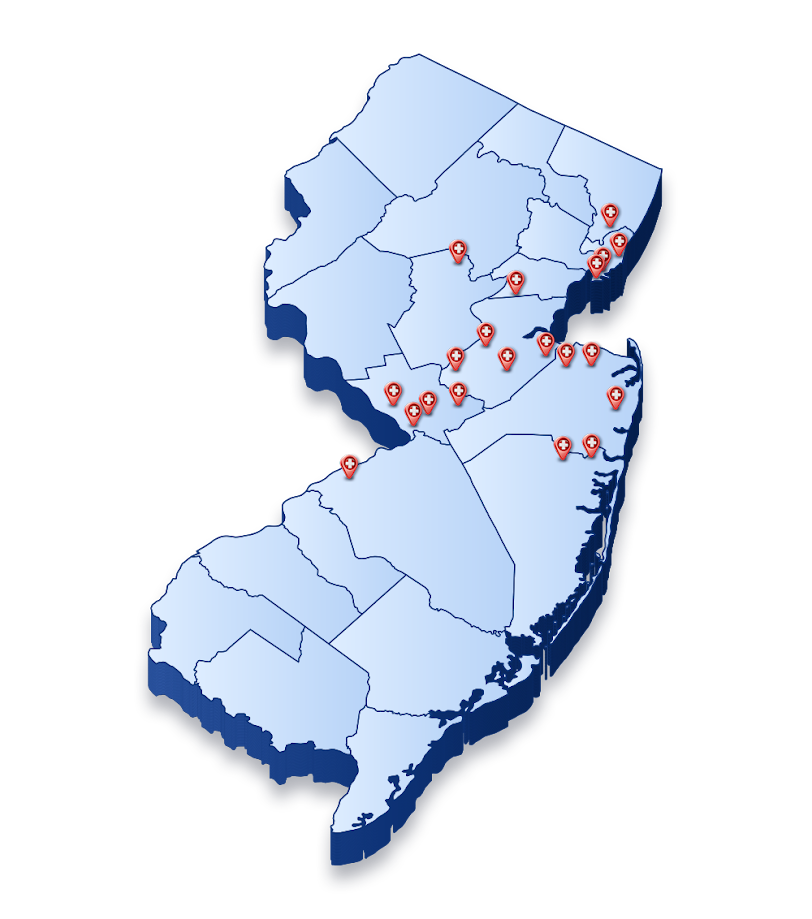
AZZ Medical Associates provides gastroenterology care for patients across New Jersey.
Your visit may begin with a review of your symptoms, medications, medical history, previous digestive testing, and treatments you have already tried.
When upper endoscopy is recommended, our team can help coordinate the appropriate procedure location and provide the instructions you need before your appointment.
Insurance coverage, referral requirements, and prior authorization vary by plan.

Frequently Asked Questions
What is an upper endoscopy used for?
An upper endoscopy is used to examine the esophagus, stomach, and duodenum. It can help evaluate persistent reflux, difficulty swallowing, ulcers, inflammation, bleeding, and other upper digestive conditions.
Is an EGD the same as an upper endoscopy?
Yes. EGD stands for esophagogastroduodenoscopy and is another name for upper GI endoscopy or upper endoscopy.
What is the difference between an upper endoscopy and a colonoscopy?
An upper endoscopy examines the esophagus, stomach, and duodenum. A colonoscopy examines the colon and rectum.
Why might I need an EGD for acid reflux?
An EGD may be recommended when reflux symptoms persist despite treatment or when your gastroenterologist needs to check for complications such as esophagitis or Barrett’s esophagus.
Can an upper endoscopy detect an ulcer?
Yes. An upper endoscopy allows the gastroenterologist to directly examine the stomach and duodenum for ulcers, inflammation, bleeding, and other abnormalities.
Can a biopsy be taken during an upper endoscopy?
Yes. Small tissue samples can be collected during the procedure and sent for laboratory analysis.
Do I need to fast before an upper endoscopy?
Yes. Your stomach generally needs to be empty before an EGD. Follow the specific fasting instructions provided by your healthcare team.
Will I be sedated during an upper endoscopy?
Sedation is commonly used to help patients remain comfortable during the procedure. Your procedure team will explain what is planned for you.
Can I drive after an upper endoscopy?
If you receive sedation or anesthesia, you generally should not drive yourself home. Arrange for a responsible adult to provide transportation.
How long does recovery take after an upper endoscopy?
Most patients spend a short period in recovery while sedation wears off. Mild bloating or a temporary sore throat may occur.
Do I need a referral for an upper endoscopy?
It depends on your insurance plan. Some patients can schedule directly, while others may need a referral or prior authorization.
Does insurance cover an upper endoscopy?
Many insurance plans cover medically necessary upper endoscopy, but deductibles, copays, and authorization requirements vary by plan.