








Healthcare Clinic in Newark, New Jersey

Newark is the largest city in New Jersey, with a population of over 300k residents. This makes local healthcare services essential. Since 2013, AZZ Medical Associates has been delivering outpatient healthcare services across New Jersey. Our Newark clinic shares the same values and goals. As the seat of Essex County and a hub for working families, students, and seniors, Newark deserves accessible medical care close to home, and that is exactly what our North Ward clinic provides.
Whether you need a primary care doctor for your family, preventive care, or want to manage chronic disease and mental health conditions, AZZ is here to help you. We offer both in-person and telehealth appointments. Our board-certified providers serve patients of all ages, from annual physicals and health screenings to ongoing support for diabetes, hypertension, anxiety, and depression, all coordinated under one care team.
Healthcare Clinic in Newark, New Jersey

Locate Our Clinic in Newark, New Jersey

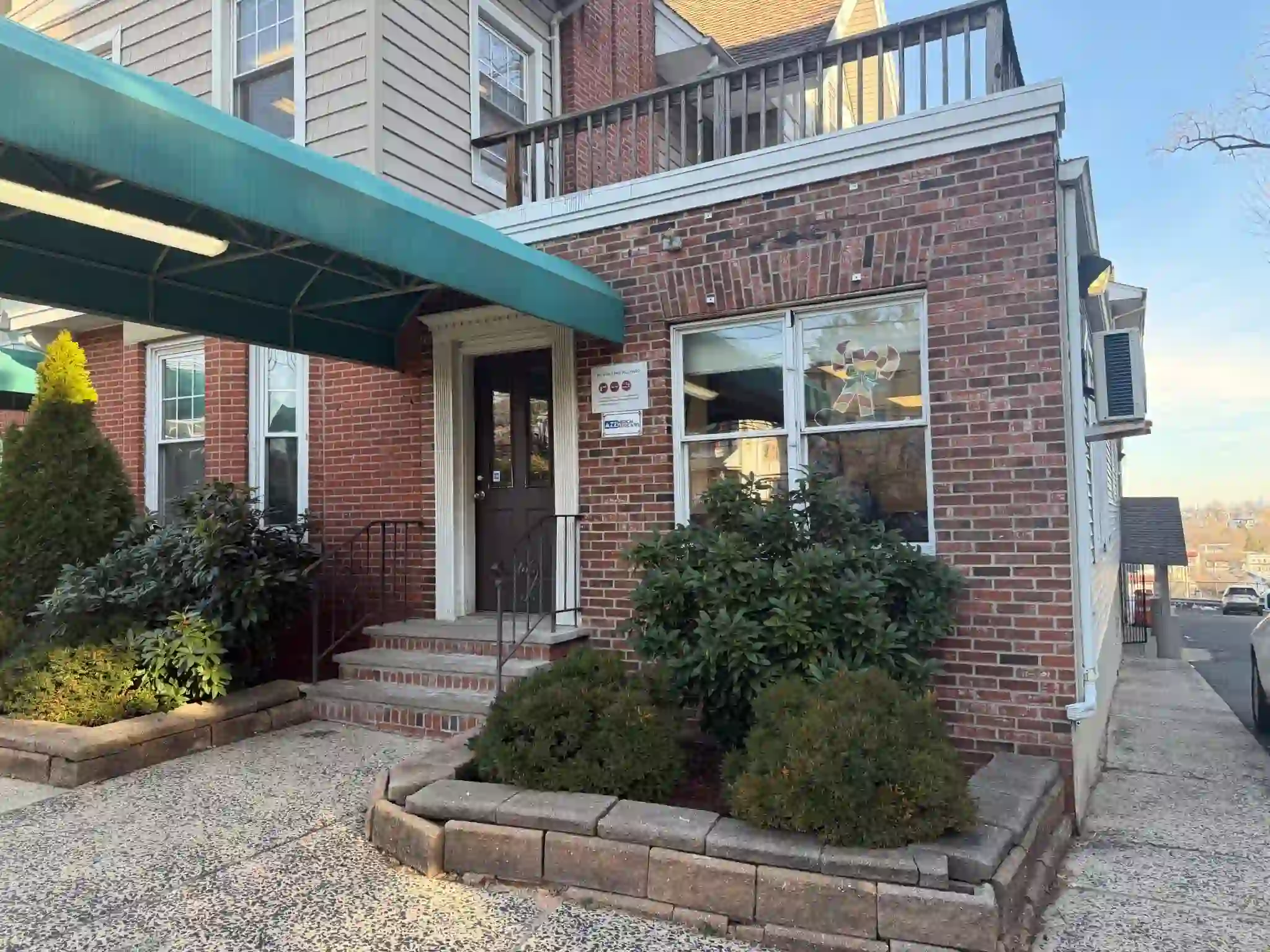
Our Newark clinic is located at 465 Mount Prospect Avenue, Newark, NJ 07104, which is easy to reach from nearby communities like Forest Hill, Belleville, and East Orange. The office sits in Newark’s North Ward near Branch Brook Park, with convenient access via NJ Transit bus routes and the Newark Light Rail, making visits simple without a car.

If you’re searching for healthcare services near me in Newark, this clinic is the most convenient to access. Residents of Bloomfield, Kearny, Harrison, Irvington, and the wider Essex County area also find the Mount Prospect Avenue location a shor

Explore Our Clinic

Our Medical Specialties in Newark

The medical specialists at our Newark clinic offer a wide range of medical services for adults and families. They diagnose and deliver a personalized treatment plan that is based on patients’ long-term health goals. Care spans everyday illness, medication management, lab work, and referrals to trusted New Jersey specialists when needed, so your treatment stays connected from the first visit onward.
What sets this location apart is how these specialties work together. A patient seeing family medicine for high blood pressure can be screened for anxiety in the same visit and connected with psychiatry without a new intake process or a long referral wait. Internal medicine physicians handle complex adult conditions like diabetes and heart disease risk, while primary care covers the day-to-day concerns of the whole household. For Newark and Essex County families, that means one clinic, one medical record, and one coordinated team following your health over time.
Psychiatry
Primary Care
Adult Health
Internal Medicine
Family Medicine

Our Healthcare Providers

Our providers bring experience across multiple specialties, including psychiatry. With a patient-focused approach, they focus on listening and understanding patients’ concerns to create personalized treatment plans.

Insurance Coverage

We accept all major insurance plans, including Medicare and Medicaid. If you have questions about insurance coverage, call 609-890-1050, and our human support team will answer all of your questions with clarity. This includes NJ FamilyCare and common commercial plans held by New Jersey residents, and our front desk can verify your benefits before you arrive so there are no surprises.

Everyone has hard weeks. Therapy becomes worth considering when the hard weeks start stacking up. Ask yourself three questions.

Has it lasted? Stress, sadness, or irritability that sticks around for more than a few weeks deserves attention.

Is it spreading? When one problem starts touching your sleep, work, appetite, or relationships, it’s no longer contained.

Are your usual fixes failing? If exercise, rest, or talking with friends no longer helps, an outside perspective can.

You don’t need to hit a breaking point first. Many people start therapy simply because they want to understand themselves better or handle a big decision with clarity. If you’re asking the question, a single consultation can help you decide. Call AZZ Medical Associates at 609-890-1050.

A little preparation helps you get more from your first visit.

Jot down what’s bothering you. A few notes on when it started, what makes it worse, and how it affects your days is plenty. You don’t need polished sentences.

Think about what “better” looks like. Maybe it’s fewer arguments, falling asleep easier, or feeling less on edge at work. Rough goals give your therapist direction.

List your medications and past treatment. Include any previous counseling, what helped, and what didn’t.

Prepare your own questions. Ask about your therapist’s experience with your concern and how they usually work.

For online visits, find a private spot where you won’t be overheard, and test your camera beforehand.

Nervousness is normal. Most people feel noticeably lighter by the end of the first hour.

Your first session, often called an intake, is mostly a conversation. It isn’t therapy in the full sense yet. Your therapist gathers the background needed to understand you.

Expect questions about what brought you in, your health history, family and relationships, work or school, sleep, and substance use. You may complete short questionnaires such as the PHQ-9 for mood or the GAD-7 for anxiety. These create a baseline for measuring progress later.

You set the pace. If a topic feels too painful to open up yet, you can say so. Good therapists won’t push before you’re ready.

By the end, you’ll usually have an initial sense of what’s going on and a suggested approach. You’ll also know how often to meet. It’s also your chance to notice whether this therapist feels like a good fit.

Your out-of-pocket cost depends mostly on your insurance plan. AZZ Medical Associates accepts all plans, including Medicare, Medicaid, and NJ FamilyCare.

Copays and coinsurance. Many commercial plans charge a flat copay per session. Others require you to pay a percentage after meeting your deductible.

Deductibles. If your plan has a high deductible, you may pay the full negotiated rate until it’s met, especially early in the year.

Medicare. Medicare Part B covers outpatient therapy. Since January 2024, it also covers sessions with licensed mental health counselors and marriage and family therapists, not only psychologists and clinical social workers.

Medicaid and NJ FamilyCare. Behavioral health benefits typically come with little or no cost to members.

Before your first session, our team checks your benefits and explains what you’ll likely owe. Call 609-890-1050 for a coverage check.

No. You can book therapy for stress, a breakup, career uncertainty, or simply wanting to understand yourself better. A label isn’t required to reach out.

If you use insurance, though, your therapist will usually need to record a diagnosis for billing. Insurers cover care that is medically necessary. This is often something like an adjustment disorder, a common, short-term diagnosis for difficulty coping with a specific stressor.

That diagnosis isn’t a permanent judgment about who you are. It describes what you’re experiencing right now and can change as you improve. Your therapist can explain which code is being used and why, and you’re always welcome to ask.

Some people choose to pay out of pocket to avoid any diagnosis on record. Our team can walk you through both options.

For most concerns, yes. Research comparing video therapy with face-to-face sessions shows similar results for anxiety, depression, stress, and many other conditions. Approaches like CBT translate especially well to a screen.

Online therapy suits you if commuting is hard, your schedule is packed, or you feel more relaxed opening up from your own couch. Many people find it easier to start this way.

In-person sessions may suit you better if:

  • Home offers little privacy
  • You find screens distracting
  • You’re working on trauma and want a physically separate space for healing
  • Group therapy is part of your plan

You don’t have to commit to one format. Many AZZ patients start online and switch to the clinic, or mix both, depending on what each week looks like.

Credentials matter, but so does chemistry. Research consistently shows that the bond between patient and therapist, called the therapeutic alliance, is one of the strongest predictors of success.

Know the license types.

  • LCSW: Licensed Clinical Social Worker, trained in therapy plus social and family systems.
  • LPC: Licensed Professional Counselor, focused on counseling and mental health treatment.
  • LMFT: Licensed Marriage and Family Therapist, specializing in relationships.
  • LCADC: Licensed Clinical Alcohol and Drug Counselor, focused on substance use.
  • Psychologist (PhD or PsyD): Doctoral training, including psychological testing.

Look for relevant experience. Ask how often they treat your specific concern.

Consider personal preferences. Gender, cultural background, language, and faith perspective can all influence comfort.

Tell our team what matters to you, and we’ll match you thoughtfully.

Progress rarely feels dramatic. It usually shows up in small, everyday moments first.

You might notice that you:

  • Recover faster after a stressful event
  • Catch a negative thought before it spirals
  • Handle a conflict more calmly than before
  • Sleep a little better
  • Feel less dread before situations you used to avoid

Friends or family may comment on changes before you see them yourself.

Many therapists also track progress with the same questionnaires used at your intake. Comparing scores over time gives you a concrete picture beyond gut feeling.

Setbacks are part of the process. A rough week doesn’t erase earlier gains. If several months pass without meaningful change, raise it openly. A good therapist will adjust the approach, try a different method, or suggest additional support, such as a psychiatric evaluation.

This is one of the most common worries, and it’s completely normal. You don’t need a prepared script. Guiding the conversation is your therapist’s job.

On quieter days, you can start with something simple:

  • A moment from the week that annoyed or surprised you
  • A dream you keep remembering
  • Something you’ve been avoiding thinking about
  • How you’re feeling about therapy itself

Sometimes the most useful sessions begin with “I’m not sure what to say today.”

Silence isn’t wasted time either. Pauses often give space for thoughts that were hiding under the surface.

If you regularly feel stuck, tell your therapist. They can suggest a more structured method, such as worksheets, skill practice, or specific exercises, that gives each session a clearer focus.

It can still help, even when one partner is hesitant. Some people agree to a single session just to see what it’s like, and that first visit often eases the fear of being blamed or ganged up on.

If your partner refuses entirely, individual therapy focused on the relationship can still create change. When one person shifts how they communicate or respond to conflict, the dynamic between two people often shifts too.

For couples unsure whether to stay together, discernment counseling is a short, structured option. It helps both partners decide whether to rebuild, separate, or pause before choosing a path.

Couples therapy works best when both people show up willing to look at their own part, not only the other person’s. Our therapists keep sessions balanced, so neither partner feels like the problem.

Teens often resist therapy because they fear being judged, labeled, or “fixed.” A few strategies can help.

Present it as support, not punishment. Avoid bringing it up mid-argument. Choose a calm moment and focus on wanting them to feel better.

Give them some control. Let them help choose between therapists, session times, or whether to meet online or in person.

Explain their privacy. Many teens open up once they learn their therapist won’t repeat everything to parents. Serious safety concerns are the exception.

Suggest a trial. Agreeing to three sessions feels less overwhelming than committing indefinitely.

Model it yourself. Teens who see parents taking mental health seriously are more likely to follow.

If your teen still refuses, parent guidance sessions can give you tools to support them at home. Call 609-890-1050 to discuss options.

Your employer won’t be told. Therapy records are protected health information, and employers don’t receive details of your care, even when coverage comes through a workplace plan.

Your insurer typically receives only what’s needed for billing: dates of service, session type, and a diagnosis code. It doesn’t receive the content of your conversations.

Family members, including spouses and adult children, have no automatic access to your therapy information. Sharing happens only if you sign written permission.

For teens, parents usually receive general updates and safety information. Personal details shared in session generally stay private.

If you’re on a family insurance plan, explanation-of-benefits statements may be mailed to the policyholder. Ask our billing team about confidential communication options if that’s a concern.

Yes. Mind and body influence each other constantly, and therapy can improve many physical conditions.

  • Insomnia: Cognitive behavioral therapy for insomnia (CBT-I) is a first-line treatment, often recommended before sleeping pills.
  • Chronic pain: Therapy can reduce pain intensity and disability by changing how the nervous system responds to pain signals.
  • Diabetes, heart disease, and other chronic illnesses: Counseling helps with stress, medication routines, and the frustration of managing a condition every day.
  • Digestive conditions: Gut-directed therapies can ease IBS symptoms linked to stress.
  • Headaches and tension: Relaxation and biofeedback techniques can reduce how often they happen.

Because AZZ is a multispecialty practice, our Behavioral Health Integration program connects therapists with your primary care team. Your physical and emotional health are treated together, not in isolation.

Therapy isn’t meant to last forever. Stopping or pausing is a normal, healthy part of the process.

You may be ready to wrap up when you’ve reached your original goals and handle challenges on your own. Another sign is when sessions start feeling more like check-ins than active work. Many people taper gradually, moving from weekly to every other week, then monthly, before finishing.

A planned final session lets you and your therapist review what you’ve learned, identify early warning signs, and make a plan for future stress.

Life changes, such as a new job, a move, or financial strain, sometimes require a pause. Let your therapist know rather than simply disappearing, so the door stays open.

Returning later is common and welcome. Many patients come back for a few booster sessions during a big life transition. Call 609-890-1050 whenever you’re ready.

Your Health Deserves Expert Care  Book Your  Appointment Today  Book Your  Appointment Today  Book Your  Appointment Today