
Get Accessible Pediatric Services in New Jersey
Pediatric care is health care for children from birth through their teenage years. It helps keep kids healthy by checking their growth, treating illnesses, and giving parents advice. It also focuses on preventive care and catching issues early. AZZ Medical Associates provides trusted pediatric care in New Jersey, offering age-appropriate care and support for everything from growth concerns to day-to-day health needs.
Our pediatric care team gives families clear answers, practical solutions, and care they can rely on. We work directly with families to address everyday symptoms and ongoing developmental concerns. Our providers follow the American Academy of Pediatrics well-child schedule for checkups, growth tracking, and immunizations. Pediatric services are available at select AZZ Medical Associates locations in New Jersey.


Trusted Pediatric Care for Every Stage of Childhood
According to the CDC, approximately 1 in 6 children ages 3–17 has one or more developmental disabilities. Our pediatric team provides medical care tailored to each stage of your child’s mental and physical growth. We address common health concerns, monitor development, and offer guidance on nutrition, behavior, and wellness. Each visit includes direct communication with families, honest answers, and a focus on what’s best for your child’s health. We also help you navigate when to act, what to watch for, and how to plan with confidence.
Developmental screening is built into routine visits rather than reserved for when a parent raises a concern, since catching a delay early gives intervention the best chance of success. Immunizations are also tracked against New Jersey’s school entry requirements, including the vaccines districts verify before kindergarten and sixth grade, so families are never caught off guard by a missing record at enrollment time.
Pediatric Services Built for Growing Bodies and Minds

Newborn Care
Ensuring a healthy start with routine check-ups, screenings, and guidance for parents.
Acute Illness Treatment
Providing prompt care for common childhood illnesses like colds, flu, and infections.

Behavioral Health Support
Our behavioral health services support children experiencing emotional or behavioral concerns, including ADHD and anxiety.

Immunizations
Keeping your child up to date through recommended vaccination services helps protect against vaccine-preventable diseases.

Chronic Condition Management
Specialized care for children with asthma, diabetes, or other chronic conditions.
Well Child Visits
Regular exams are conducted to ensure physical, mental, and emotional well-being at every stage.
Developmental Screenings
Monitoring growth milestones and early detection of developmental issues.

Nutritional Guidance
Supporting healthy eating habits for optimal growth and development.
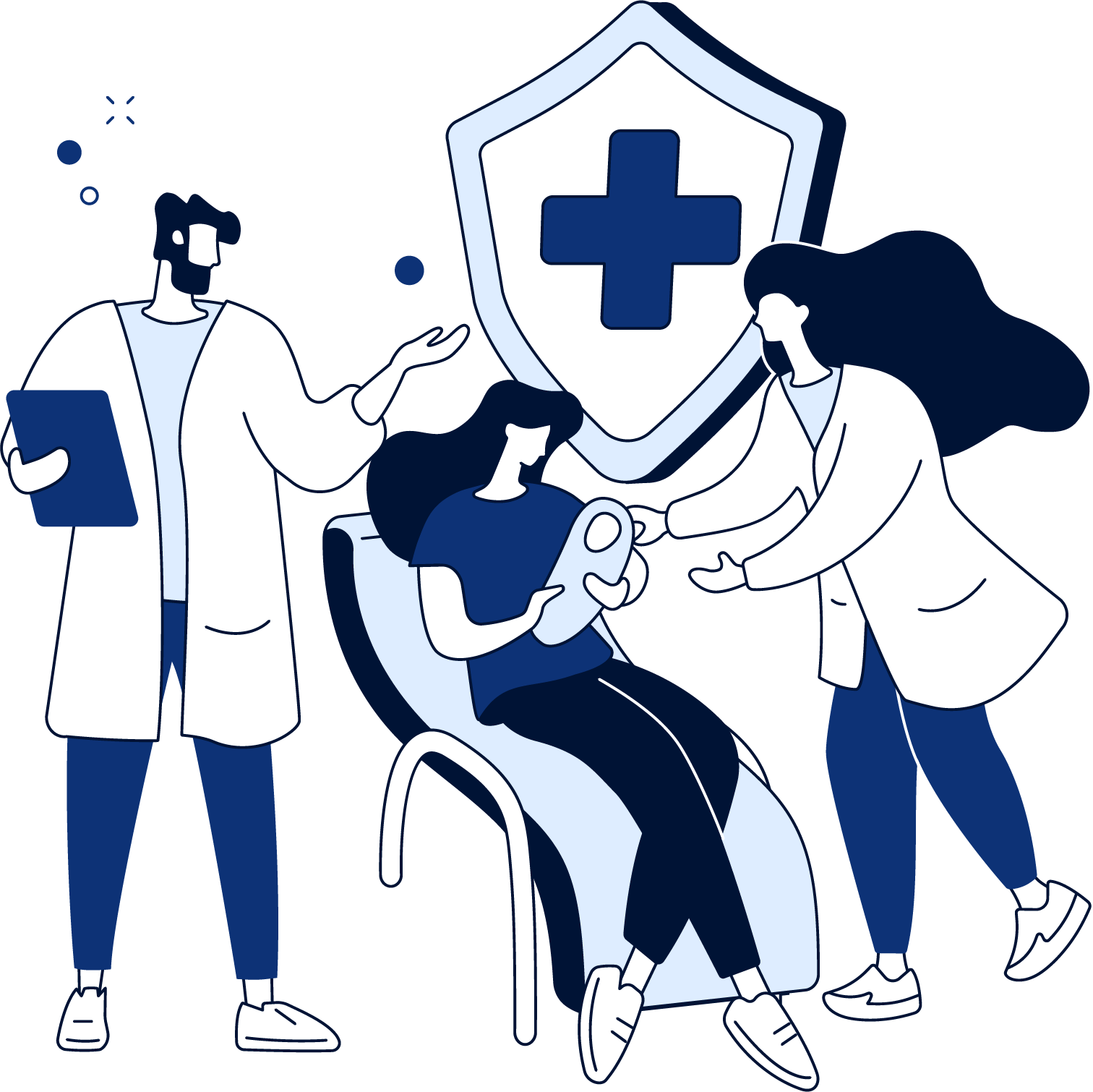
Team-Based Approach to Pediatric Care
Our providers collaborate with family physicians, psychiatrists, specialists, nurses, and behavioral health professionals to provide a coordinated care experience. AZZ Medical Associates ensures that your child benefits from a team-based approach to pediatric care. This approach gives your child consistent care, timely answers, and expert oversight.
Pediatric Providers

Farhat Nageen, MD
Pediatrics
Why Families Choose AZZ Medical for Pediatric Care in New Jersey?
- All insurances are accepted in NJ, including NJ FamilyCare
- Same-day appointment
- Telehealth and in-person visits are available.
- Walk-in appointments
- Experienced and caring Pediatric care professionals
- Personalized care for your child’s needs
- Focus on preventive care, growth, and development
Ready for Care That Grows With Your Child?
Serving New Jersey Families, Town by Town
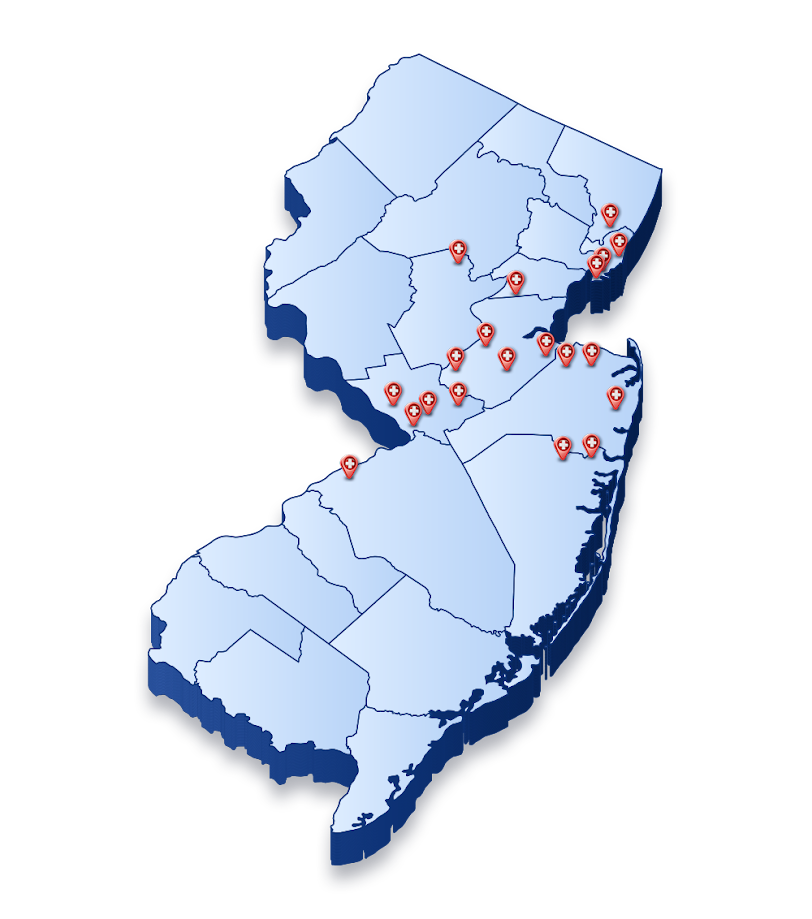
AZZ Medical Associates proudly supports families throughout New Jersey with compassion and dedication. Our board-certified pediatricians and family medicine providers care for children at locations including Ewing, Hamilton Township, Brick Township, Matawan, Holmdel, South Plainfield, Newark, North Brunswick, Delran, Hasbrouck Heights, Bayonne, and Plainsboro, ensuring your little ones receive the highest quality care close to home.
These locations span Mercer, Ocean, Monmouth, Middlesex, Essex, Burlington, Bergen, and Hudson counties, so most New Jersey families can reach a pediatric appointment within a short drive. Every location shares one connected medical record, which keeps your child’s growth charts, immunization history, and screening results together even if you see a different provider or location than usual.
Most newborns should have their first pediatric visit 3–5 days after birth and within 48–72 hours after leaving the hospital. An earlier visit may be recommended if there are medical concerns. This first visit checks weight gain or loss since birth, feeding, jaundice, and general newborn adjustment, since babies typically lose some weight in the first days and providers want to confirm that trend is reversing on schedule.
After that first visit, well-child checkups follow the American Academy of Pediatrics schedule, which is frequent in the early months, typically at two weeks, one month, two months, four months, and six months, because growth and development change so quickly during infancy. Each visit tracks growth percentiles, developmental milestones, and stays on schedule with the recommended immunization series.
If you are a new parent unsure what to expect, call 609-890-1050 before the visit and our staff will walk you through what to bring and what the appointment will cover.
Speech and language development varies more between children than many parents expect, but there are recognized milestones worth checking against, and a persistent gap is worth raising rather than waiting out. By around 12 months, most children say a few words; by 18 months, a small but growing vocabulary; by two years, simple two-word phrases; and by three years, sentences that strangers can mostly understand.
Developmental screening is built into routine well-child visits specifically to catch concerns like this early, using structured questionnaires rather than relying on a brief conversation during a busy appointment. According to the CDC, roughly 1 in 6 children in the U.S. has a developmental delay, and most are not identified until school age, which is precisely the gap early screening is designed to close.
If your child's next well-child visit is months away and you are concerned now, you do not need to wait. Call 609-890-1050 to move up an evaluation, since early intervention services generally work best the sooner they start.
New Jersey school districts require documentation of specific immunizations before a child can enroll in kindergarten, and a second round is verified before sixth grade entry. The kindergarten requirements typically include vaccines against measles, mumps, rubella, polio, diphtheria, tetanus, pertussis, hepatitis B, and varicella, though exact requirements can be confirmed against current state guidelines.
Rather than scrambling right before the school year starts, most of these vaccines are completed gradually through the routine well-child schedule during the preschool years, so a child following recommended checkups is usually already on track without a last-minute catch-up appointment. If your child has missed doses or you are unsure of their current status, we can pull their immunization record and identify exactly what is outstanding.
Families new to New Jersey or transferring from another state's school system often have questions about whether their child's existing records meet state requirements. Call 609-890-1050, and our staff will review what you have and tell you what, if anything, still needs to be completed.
The answer depends on the child's age and the specific symptoms alongside the fever. For infants under 2 to 3 months old, any fever is considered urgent and generally warrants immediate evaluation, since young infants can deteriorate quickly and cannot always show clear symptoms of a serious infection. Call us right away or go to the nearest emergency room if a very young infant has a fever.
For older children, a fever alongside unusual tiredness, poor fluid intake, or a rash worth watching typically fits within a same-day pediatric visit rather than an emergency room, particularly if the child is still responsive, drinking fluids, and does not show signs like difficulty breathing, a stiff neck, or a rash that does not fade when pressed.
If you are ever unsure, call 609-890-1050 and describe exactly what you are seeing. Our staff will tell you honestly whether this needs to be seen today, whether it can wait for a scheduled visit, or whether it needs emergency care right now.
Pediatric care at AZZ Medical continues through age 18, and for many families that continuity is worth keeping rather than switching providers during the already complicated teenage years. Adolescent visits cover physical growth and puberty, sports and school physicals, mental health screening for anxiety and depression, and increasingly private conversations that a teenager may not feel comfortable having in front of a parent.
Part of adolescent pediatric care involves gradually giving teens more ownership of their own health conversations, including time alone with the provider during the visit, which many teens respond to more openly than they would with a parent present the entire time. This is a normal and expected part of pediatric care at this age, not a sign that something is being hidden from parents.
There is no fixed rule about when to transition to an adult primary care provider. Families can discuss timing based on the teen's comfort level and whether ongoing conditions make continuity with a familiar provider more valuable than switching
Pediatric providers routinely evaluate and manage ADHD as part of general pediatric behavioral health care, and many families never need a separate specialist unless the case is particularly complex. Evaluation typically involves standardized rating scales completed by parents and teachers, since ADHD symptoms need to be present across more than one setting, not just at home, for an accurate diagnosis.
Treatment approaches vary by age and symptom severity. For younger children, behavioral strategies and parent coaching are often tried first before medication is considered. For older children and teens, a combination of behavioral approaches and medication is common, with regular follow-up to monitor how the child is responding and adjust as needed.
Because ADHD frequently overlaps with anxiety, learning differences, or mood concerns, evaluation also screens for these rather than assuming attention difficulties explain everything. Call 609-890-1050 if you have concerns about your child's focus, impulsivity, or school performance and want a proper evaluation rather than guessing.
Many common childhood illnesses can be evaluated through telehealth, including rashes, mild cold symptoms, pink eye, follow-up on an already-diagnosed condition, and behavioral or mental health check-ins. For a parent managing work and a sick child at home, avoiding an unnecessary trip to the clinic can make a difficult day considerably easier.
Certain situations genuinely need an in-person exam, including anything requiring a physical assessment like checking ears or a throat, breathing difficulties, injuries, or any symptom serious enough that hands-on evaluation changes what a provider can determine. Our providers will tell you directly and honestly when a video visit is not enough, rather than trying to manage something remotely that needs to be seen in person.
New Jersey law requires most insurance plans to cover telehealth visits at the same rate as an in-person appointment, so choosing video for an appropriate concern typically does not cost more. Call 609-890-1050 and describe your child's symptoms, and our staff will help you decide which format fits.
Tell us when you book your child's first appointment, and our staff will handle the records release request directly rather than leaving you to contact the previous office yourself. This is especially useful for immunization history, since an incomplete or unclear vaccine record can cause real problems at school enrollment time if it is not sorted out in advance.
If you already have any documents, including a shot record, growth chart, or notes on any ongoing conditions, bring what you have to the first visit, though a complete file is not required to get started. We build your child's health picture from the current visit forward and work to fill in the historical gaps using the transferred records once they arrive.
Families relocating to New Jersey from another state often have questions about whether their child's existing immunizations meet state school requirements. Call 609-890-1050 and our staff will review what you have and identify anything that still needs to be completed.
Bring your child's insurance card, a current list of any medications or supplements they take, their immunization record if you have a copy, and a written list of any questions or concerns you want to raise, since it is easy to forget specific worries once the appointment is underway.
It also helps to jot down anything you have noticed since the last visit: changes in sleep, appetite, behavior, school performance, or physical symptoms, even things that seem minor or unrelated. Providers rely heavily on parent observation, since you see your child every day in a way a single appointment cannot capture.
If this is a school-required physical, bring any specific forms your child's school or sports program needs completed, since having the paperwork on hand avoids a second trip back for something that could have been finished during the original visit.
Yes. The recommended childhood immunization schedule, developed by the CDC and the American Academy of Pediatrics, is specifically designed around giving multiple vaccines together at certain visits, based on extensive research showing this approach is both safe and effective at protecting children during the ages when they are most vulnerable to serious illness.
Spacing vaccines out unnecessarily, a practice sometimes called an alternative schedule, leaves children without protection for longer periods without added safety benefit, according to current pediatric guidelines. That said, if you have specific questions or concerns about your child's vaccine schedule, that is a legitimate conversation to have directly with their provider rather than deciding independently based on outside information.
Common, mild reactions like soreness at the injection site or a low-grade fever for a day or so afterward are expected and not a reason for concern. Our providers will walk you through exactly what to expect and what would warrant a call back.
Chronic conditions like asthma require a management plan that extends well beyond treating a single flare-up. This typically includes an asthma action plan that outlines what to do at different symptom levels, identifying and reducing exposure to specific triggers, and regular follow-up to reassess how well the condition is controlled and whether medication needs adjusting.
Seasonal changes often affect asthma symptoms significantly, so a plan that works well in summer may need revisiting as fall allergens or winter respiratory illness season approaches. Rather than treating each flare-up as an isolated event, ongoing management means your child's provider tracks patterns over time and adjusts the plan proactively rather than reactively.
For school-age children, we can also provide documentation to support an asthma action plan on file with the school nurse, so symptoms during the school day are handled consistently with what is happening at home. Call 609-890-1050 to establish ongoing asthma care rather than managing each episode as a separate, unconnected sick visit.
Yes. NJ FamilyCare, New Jersey's Medicaid and CHIP program, covers pediatric care for eligible children, including well-child visits, immunizations, sick visits, and many specialist referrals, often at little to no out-of-pocket cost to families. This program specifically exists to make sure a family's income does not determine whether a child gets recommended preventive care.
Eligibility depends on household income and family size, and many families assume they do not qualify when they actually do, particularly since the income thresholds are higher than commonly assumed. If you are unsure whether your child qualifies, our staff can help point you toward how to check, and we accept NJ FamilyCare directly once your child is enrolled.
For families already covered, we verify your specific plan details before the appointment so there is no confusion about what is covered at the visit versus what might require a separate authorization.