
Rheumatologists & Rheumatology Care in New Jersey
A rheumatologist is a physician who diagnoses and treats autoimmune, inflammatory, and musculoskeletal conditions. These conditions affect the joints, muscles, bones, and connective tissues. Over time, they can affect daily movement, comfort, and overall health.
The outpatient rheumatology clinics of AZZ Medical Associates in Hamilton Township and Lakewood, along with telehealth visits across New Jersey, give patients direct access to specialist care. Whether you’re looking for an arthritis doctor for stiff, painful joints or an autoimmune doctor for symptoms that affect your whole body, our team builds personalized, evidence-based plans designed to protect joint function and improve quality of life.

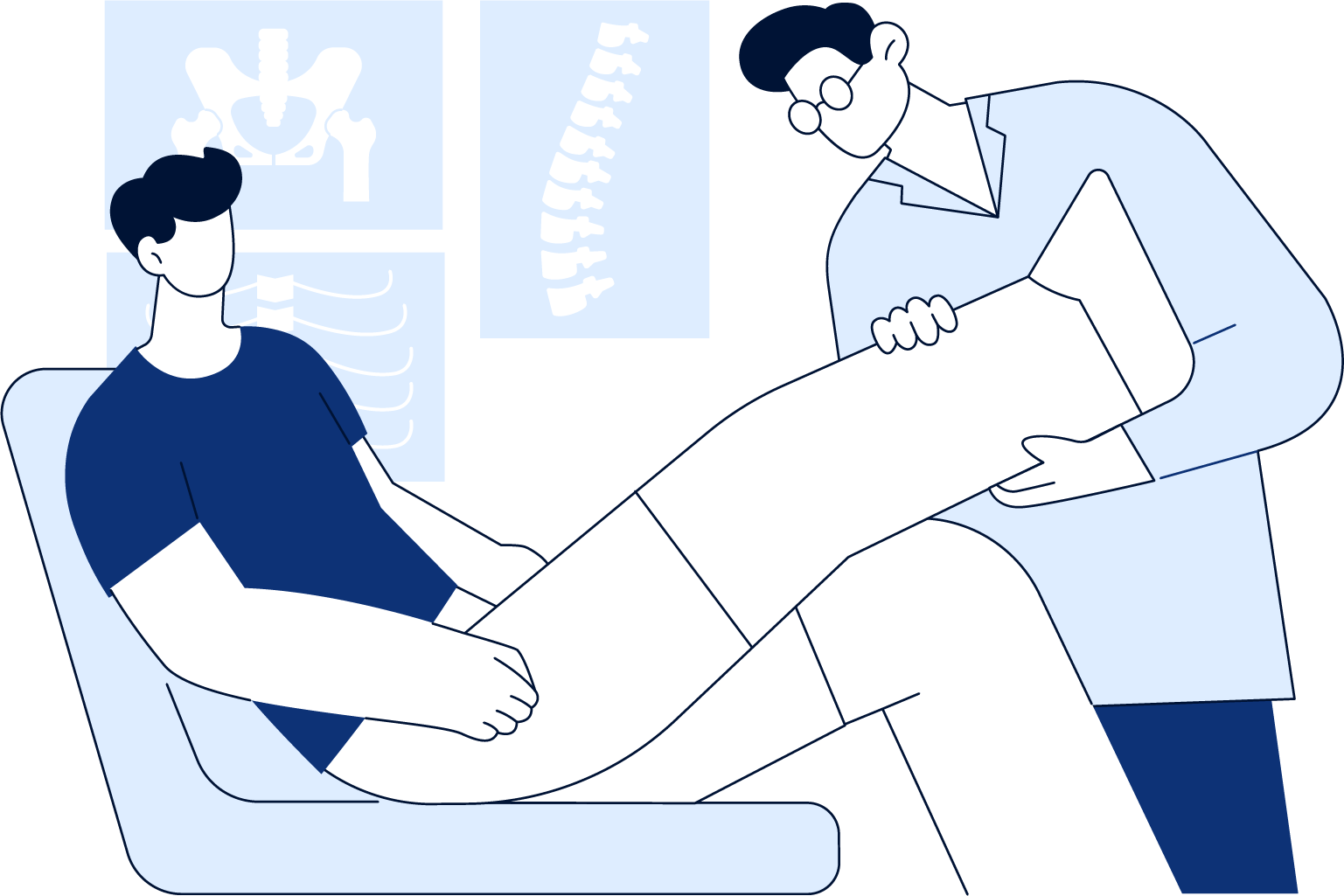
Joint by Joint, We Hear the Body’s Quiet Alarms
Rheumatologic conditions often progress slowly, but they can touch every part of your life. Seniors in particular can lose independence in everyday tasks. Stiff joints, swelling, and persistent fatigue make it harder to work, sleep, and stay active. Arthritis alone affects about 21.2% of U.S. adults, roughly 53.2 million people, according to the CDC.
Early warning signs worth a closer look include morning stiffness that lasts longer than 30 minutes, joint swelling, recurring flare-ups, and fatigue with no clear cause. Not all joint pain is the same. Degenerative arthritis comes from wear on the joints over time. Autoimmune and inflammatory arthritis happens when the immune system attacks the body’s own tissues, and early treatment matters most there. If you’re wondering when to see a rheumatologist, persistent symptoms like these are a good reason to get evaluated by a joint pain doctor.
We focus on early detection, close monitoring, and long-term management strategies tailored to your condition. With professional care and consistent follow-ups, we help reduce setbacks and support the strength and balance you want to regain.
The Rheumatology Services of AZZ Medical Include
AZZ Medical Associates operates as a specialist-led rheumatology clinic, where every plan starts with a rheumatology specialist’s evaluation. Our services are designed to reduce pain, increase mobility, manage inflammation, and improve quality of life. Here are some of the services we offer:
Rheumatological Consultation
Your first visit with a rheumatology doctor includes a detailed medical history, a hands-on joint exam, and lab tests such as ANA, rheumatoid factor, anti-CCP, ESR, and CRP, along with imaging when needed. Results guide a personalized diagnosis and treatment plan that fits your daily routine.
Platelet-Rich Plasma (PRP) Therapy
PRP uses concentrated platelets from your own blood, injected into the affected area. Learn more about who may benefit on our PRP therapy page.
Medication Management and Monitoring
Many rheumatic conditions are treated with disease-modifying antirheumatic drugs (DMARDs), such as methotrexate and hydroxychloroquine, or with biologic medications. Our team monitors your response and schedules the lab work these medications require for safe long-term use.
Conditions We Treat With Rheumatologic Insight and Care
Our rheumatologists act as both arthritis specialists and autoimmune specialists, managing conditions that often need long-term care and careful monitoring. Each evaluation includes a detailed physical exam to identify signs and symptoms of rheumatic disease. The doctors of AZZ Medical Associates treat a wide range of rheumatologic conditions, including:
Rheumatoid Arthritis Management
An autoimmune condition that causes joint pain, swelling, and stiffness. Early diagnosis and treatment can help control inflammation, relieve symptoms, and reduce the risk of joint damage.
Osteoporosis Management
A condition that weakens bones and increases the risk of fractures, especially in the hip, spine, and wrist. A bone density scan helps assess bone health and fracture risk.
Osteoarthritis Management
A common form of arthritis that develops when joint cartilage breaks down over time. Treatment focuses on relieving pain, improving movement, and supporting daily activities.
Gout Management
A form of arthritis caused by uric acid crystals in a joint. Treatment helps relieve painful flare-ups and may lower uric acid levels to prevent future attacks.
Psoriatic Arthritis Management
An inflammatory condition linked to psoriasis that can cause joint pain, swelling, and stiffness. Treatment helps control inflammation and manage symptoms affecting the joints and skin.
Lupus Management
An autoimmune disease that can affect the joints, skin, kidneys, and other organs. Treatment and ongoing monitoring help manage symptoms, control flares, and protect organ health.
Psoriatic Disease
Psoriasis is a skin condition that can also be associated with joint inflammation. A rheumatologist can evaluate joint pain, swelling, or stiffness for signs of psoriatic arthritis.
Fibromyalgia
A long-term condition that causes widespread pain, fatigue, and sleep problems. Care focuses on managing symptoms, improving sleep, and helping patients stay active in daily life.
Generalized Fatigue and Weakness
Persistent fatigue and weakness can have many causes, including rheumatic and autoimmune conditions. An evaluation can help identify the cause and guide appropriate care and treatment.
Skin Related Conditions
Some autoimmune and connective tissue diseases can affect the skin, joints, and internal organs. These include conditions such as lupus, scleroderma, and vasculitis.
Ankylosing Spondylitis
An inflammatory condition that mainly affects the spine, causing back pain and stiffness. Early evaluation and treatment can help manage symptoms and support movement and function.
Sjögren’s Syndrome
An autoimmune condition that commonly causes dry eyes and dry mouth. It can also cause joint pain and fatigue, and treatment focuses on relieving symptoms and preventing complications.
Meet Our Rheumatologists
Our board-certified rheumatologists bring specialist training to every evaluation and follow-up.

Qaisar H Usmani, MD
Rheumatologist

Sadia Ghafoor, DO
Rheumatologist

Why Choose AZZ Medical for Rheumatology Care in New Jersey
AZZ Medical Associates provides a comfortable, responsive environment for appointments and personalized treatment. Because AZZ is a multispecialty practice, your rheumatologist can coordinate directly with your primary care, kidney, or mental health providers when your condition affects more than your joints.
- All insurance accepted, including Medicare and Medicaid
- Same-day & walk-in appointments
- Weekend availability
- Board-certified rheumatologists
- Telehealth rheumatology visits across NJ
- Rheumatology clinics in Hamilton Township and Lakewood
- Medication management and lab monitoring
- Viscosupplementation therapy
- Platelet-rich plasma (PRP) therapy
Care That Increases Mobility and Makes You Independent
When joints ache and motion slows, you deserve care that restores strength and flexibility. AZZ Medical Associates’ rheumatology team listens closely and treats with compassion, working to ease inflammation and restore motion. Most rheumatic conditions are long-term, so regular follow-ups help your care team catch flares early and adjust treatment before small changes become bigger setbacks.

Clinics Near You As We Serve Communities Across New Jersey
Accessing quality rheumatology care should never be a challenge. AZZ Medical Associates provides rheumatology services at two New Jersey clinics, with telehealth available statewide.
Hamilton Township (Mercer County): Our Hamilton Township clinic serves patients from Trenton, Robbinsville, Ewing, and surrounding Mercer County communities.
CTA: View Hamilton Township Clinic
Lakewood (Ocean County): Our Lakewood clinic serves patients from Toms River, Jackson, Howell, Brick, and nearby Ocean and Monmouth County towns.
CTA: View Lakewood Clinic
With flexible scheduling and both in-person and telehealth options, you’ll receive trusted care that fits your lifestyle.
Many autoimmune diseases develop gradually, and early symptoms are often vague. Fatigue, achy joints, low-grade fevers, or a rash that comes and goes can look like stress, a virus, or simple overwork. Symptoms may also appear one at a time over months or years, so no single visit shows the full picture.
Blood tests add to the challenge. Some markers turn positive before symptoms appear, while others stay negative early in the disease. In some patients, early signs don’t yet fit one condition. Rheumatologists may call this undifferentiated connective tissue disease and monitor it closely as the pattern becomes clearer.
What helps most is tracking your symptoms over time. Keep notes and photos of rashes or swollen joints, and see a rheumatologist when symptoms persist. Call AZZ Medical Associates at 609-890-1050 to schedule an evaluation.
For most patients, the benefits outweigh the risks when these medications are properly monitored. Untreated inflammatory disease can permanently damage joints and organs, which is why rheumatologists start treatment early.
Each medication has its own safety plan:
- Methotrexate: Taken once a week, usually with folic acid to reduce side effects. Regular blood tests check liver function and blood counts, and alcohol should be limited.
- Hydroxychloroquine: Generally well tolerated, with periodic eye exams to screen for rare retinal effects.
- Biologics: These lower parts of the immune response, so infection risk rises. Patients are screened for tuberculosis and hepatitis B before starting.
Tell your rheumatologist right away about fevers, persistent infections, or new symptoms. Never stop a medication on your own. Your rheumatologist can adjust the plan safely.
Most RA medications work gradually, so patience in the first few months is normal.
Typical timelines:
- Methotrexate: Often begins working within 6 to 8 weeks, with fuller benefit by about 3 months
- Hydroxychloroquine: Can take 2 to 6 months to reach its full effect
- Biologics and targeted therapies: Many start helping within a few weeks, though full response may take up to 3 months
- Corticosteroids: Work within days, which is why low doses are sometimes used briefly as a “bridge” while slower medications take effect
During this period, your rheumatologist tracks your progress closely. If a medication isn’t helping enough after a fair trial, the plan changes. Your rheumatologist may raise the dose, add a second medication, or switch to a different class.
Visit frequency depends on how active your condition is. Most rheumatologists follow a treat-to-target approach. You and your rheumatologist set a clear goal, such as remission or low disease activity, then adjust treatment until you reach it.
A general pattern:
- Active or newly diagnosed disease: Visits every 1 to 3 months, with regular lab work
- Stable, well-controlled disease: Visits every 3 to 6 months
- Medication monitoring: Blood tests on a set schedule between visits, depending on your medications
If symptoms aren’t improving within about three months of starting treatment, the plan usually changes. Many follow-up visits can happen by telehealth, especially for lab reviews and medication adjustments. Some visits still need an in-person joint exam at our Hamilton Township or Lakewood clinic.
Yes. Remission, or very low disease activity, is now a realistic goal for many people with rheumatoid arthritis and lupus, thanks to earlier diagnosis and more effective medications.
In remission, inflammation is controlled. Joints are no longer swollen or tender, lab markers of inflammation may normalize, and daily function improves. For lupus, remission means symptoms and organ activity are quiet with minimal steroid use.
Remission doesn’t mean the disease is cured. Most patients stay in remission by continuing their medications. Stopping treatment often brings symptoms back. Some patients in long-term remission may be able to carefully lower their doses under close supervision.
Reaching remission early matters, because it helps prevent permanent joint damage and protects organs over time.
A flare is a period when symptoms suddenly worsen, bringing more pain, swelling, stiffness, or fatigue. Having a plan ready makes flares easier to manage.
At home:
- Rest the affected joints, but keep gently moving to prevent stiffness.
- Use cold packs for hot, swollen joints, and warm compresses for stiffness.
- Take medications as directed. Don’t stop your regular treatment.
- Track details: which joints, how long the flare lasts, and possible triggers.
Call your rheumatologist if a flare lasts more than a few days, keeps returning, or limits daily activities. Your treatment may need adjusting.
Seek urgent care for a single hot, very swollen joint with fever, which can signal a joint infection. Chest pain, shortness of breath, or confusion also need emergency care.
Yes, and it’s one of the most effective treatments available. The American College of Rheumatology strongly recommends exercise for people with hip and knee osteoarthritis. Regular movement also helps people with inflammatory arthritis maintain strength and flexibility.
Good options include:
- Low-impact aerobic activity: walking, cycling, swimming, and water aerobics
- Strength training: stronger muscles support and protect joints
- Tai chi and yoga: improve balance, flexibility, and pain, with tai chi specifically recommended for knee and hip osteoarthritis
- Range-of-motion exercises: gentle daily stretches to reduce stiffness
Start slowly and increase gradually. Mild soreness after activity is normal, but pain lasting more than two hours afterward means it’s time to scale back.
During a flare, switch to gentle movement until symptoms settle. A physical therapist can design a safe plan.
Diet won’t replace medication, but it can make a real difference.
For gout: The American College of Rheumatology recommends limiting alcohol, especially beer, along with sugary drinks containing high-fructose corn syrup and purine-rich foods like organ meats and some shellfish. Losing excess weight can also help lower uric acid. Most patients with frequent gout attacks still need medication, such as allopurinol, to prevent future flares.
For osteoarthritis: Weight loss is one of the most effective steps. Research shows each pound lost removes about four pounds of pressure from the knees with every step.
For inflammatory arthritis: A Mediterranean-style diet, rich in vegetables, fruit, whole grains, fish, olive oil, and nuts, supports overall health. It may also ease inflammation for some people.
Talk with your rheumatologist before starting supplements, since some interact with arthritis medications.
Medications that calm the immune system can also make infections more serious, so staying current on vaccines is especially important.
Commonly recommended vaccines include:
- Flu vaccine: every year
- Pneumococcal vaccine: to protect against pneumonia
- Shingles vaccine (Shingrix): recommended by the CDC for immunosuppressed adults ages 19 and older, as well as all adults 50 and older
- COVID-19 vaccine: as currently recommended
- Hepatitis B vaccine: if you’re not already immune
Live vaccines, such as MMR, yellow fever, and the nasal spray flu vaccine, are generally avoided while you take biologics or higher-dose immunosuppressants.
Timing matters. Some vaccines work best when given before starting a new medication. Review your vaccine history with your rheumatologist before beginning treatment.
Yes. Many women with lupus and rheumatoid arthritis have healthy pregnancies, especially with planning. The key is starting the conversation with your rheumatologist before you try to conceive.
The American College of Rheumatology recommends:
- Getting disease under control first: For lupus, having disease activity quiet for about six months before conception lowers pregnancy risks.
- Reviewing medications: Methotrexate must be stopped at least one to three months before trying to conceive, because it can cause birth defects. Others, like hydroxychloroquine, are generally continued during pregnancy.
- Screening blood tests: Women with lupus are tested for antiphospholipid and anti-Ro/SSA antibodies, which affect pregnancy monitoring.
Your rheumatologist will coordinate with your OB-GYN or a maternal-fetal medicine specialist throughout pregnancy and after delivery, when flares can occur.
Biologics are among the more expensive medications, but most patients pay far less than the list price.
Ways to lower costs:
- Prior authorization: Most insurers require approval before covering a biologic. Our team helps submit the paperwork.
- Copay cards: Many manufacturers offer savings cards for patients with commercial insurance. These generally can’t be used with Medicare or Medicaid.
- Patient assistance programs: Manufacturers and independent foundations may help eligible patients, including some Medicare patients.
- Medicare coverage: Infused biologics given in a clinic are usually covered under Part B. Self-injected biologics are covered under Part D, which now caps yearly out-of-pocket drug costs.
- New Jersey programs: Eligible seniors and people with disabilities may qualify for NJ PAAD or Senior Gold prescription assistance.
Call 609-890-1050 to review your coverage options before starting treatment.
Many patients notice their symptoms worsen during stressful periods, and research supports a connection between stress, inflammation, and flares. Living with a chronic condition can also take an emotional toll. Major depression affects about one in six people with rheumatoid arthritis, according to a meta-analysis published in Rheumatology.
Mental health and physical symptoms often feed each other. Pain disrupts sleep, poor sleep worsens fatigue and mood, and low mood can make pain feel more intense.
Steps that may help:
- Regular physical activity and consistent sleep habits
- Stress management techniques, such as mindfulness or counseling
- Support groups for people with the same condition
- Screening for depression and anxiety during rheumatology visits
Because AZZ is a multispecialty practice, your rheumatologist can coordinate with AZZ’s mental health team when emotional symptoms affect your health.
Yes. Juvenile idiopathic arthritis (JIA) is the most common type of arthritis in children. It can begin at any age before 16. Children may also develop lupus and other autoimmune conditions.
Signs parents may notice include:
- Limping, especially in the morning
- Swollen joints
- Reluctance to use an arm or leg
- Persistent fevers or rashes
- Unusual fatigue
Young children often can’t describe joint pain, so changes in how they move or play can be the first clue.
Children with arthritis are usually best served by a pediatric rheumatologist, who specializes in childhood autoimmune and inflammatory conditions. If your child has symptoms like these, AZZ’s pediatric and primary care providers can evaluate them and coordinate a referral to pediatric rheumatology when needed.