Primary Care Internist & Pulmonary Clinic in Somerset, New Jersey
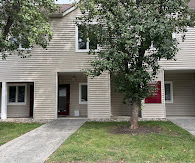
Our Clinic Location in Somerset
- AZZ Medical Associates, Somerset
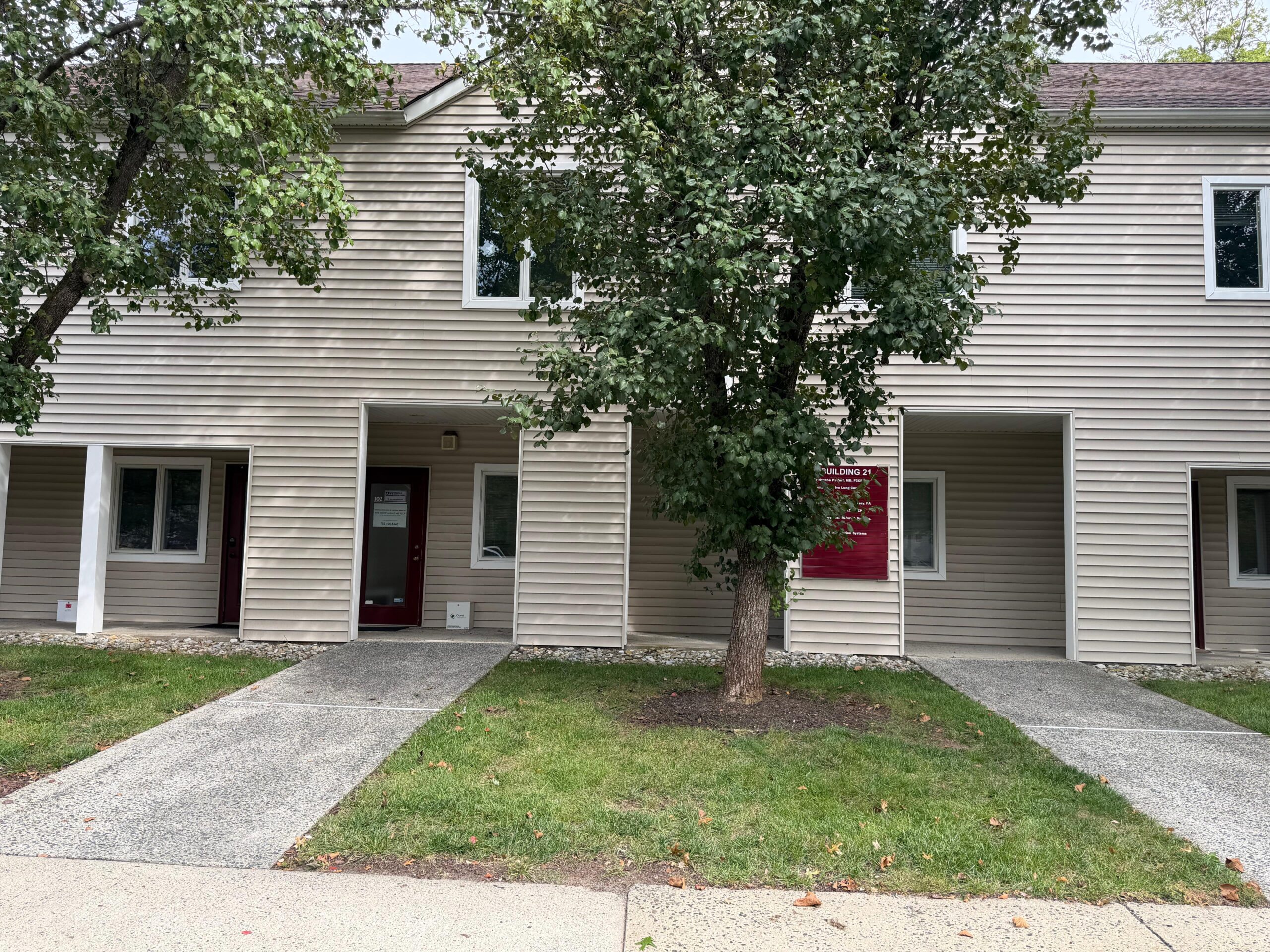
- 21 Clyde Rd, Suite 102, Somerset, NJ 08873
- +1 609-890-1050
- Hours: Monday To Wednesday 09:00 AM to 04:00 PM
Our Medical Specialties in Somerset
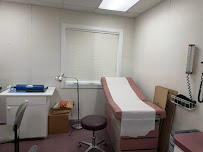
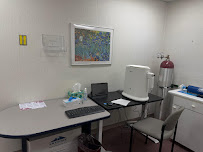
Our Somerset clinic focuses on Internal Medicine, Pulmonary Medicine, Preventive and Primary Care, and Chronic Disease Management through in-person and telehealth visits. Each patient receives an evaluation, a clear diagnosis, and a personalized treatment plan built around their health goals and daily life.
A primary care provider is your first point of contact for any health concern and the person who keeps your overall care on track.
Diagnosis and treatment of asthma, COPD, chronic cough, shortness of breath, and other lung and breathing conditions.
Annual physicals, screenings, and vaccines, with a first point of contact for any new health concern.
Ongoing care for diabetes, high blood pressure, and high cholesterol, with regular monitoring and medication reviews, including inhalers.
Why Choose AZZ Medical in Somerset?
Patients in Somerset choose AZZ because their care is coordinated by one physician who understands both their overall health and their lungs. Many of our patients balance work schedules, family responsibilities, and multiple health conditions, so one doctor managing both everyday care and breathing problems means fewer appointments and more connected decisions.
Dr. Ahmad’s long-standing work at New Brunswick hospitals and local rehabilitation centers means he understands care beyond the clinic, including hospital stays, recovery, and the transition home. Recommendations follow current clinical evidence, and every prescription, test, or referral comes with a clear explanation.
Patients choose this location because:
- Most major insurance plans accepted
- Same-day and next-day appointments
- Board-certified in internal medicine and pulmonary disease
- Urdu- and Punjabi-speaking care
- HIPAA-compliant telehealth
- Weekend appointments
- On-site parking
- Wheelchair-accessible clinic
- Medicare and Medicare Advantage accepted
- Providers who take time with every patient
Our Multilingual Healthcare Provider at 21 Clyde Rd, Somerset
Care at our Somerset clinic is led by Mir Sharif Ahmad, MD, a physician board-certified in both internal medicine and pulmonary disease, with more than 25 years of experience caring for patients in Central New Jersey.
Dr. Ahmad speaks Urdu and Punjabi in addition to English, so patients across Somerset and Middlesex counties can discuss symptoms, test results, and medications in the language they’re most comfortable with. Because the same physician follows your visits over time, he notices what a single appointment can’t show: how you respond to a medication, an early shift in a chronic condition, or a change in your breathing.
Mir Sharif Ahmad, MD
What to Expect During Your First Visit
Your first appointment at our Somerset clinic starts with a conversation. Dr. Ahmad takes time to understand your medical history, current medications, ongoing conditions, and the concerns that brought you in. Any assessment or treatment follows from that conversation, and nothing is prescribed without a reason you understand.
Bring a photo ID, your insurance card, a list of all current medications with doses, including inhalers and supplements, your pharmacy details, and any prior records, breathing test results, or recent hospital paperwork. Call 609-890-1050, and our staff will tell you exactly what to have ready.
Have Any Health Issues? Start Care at Somerset Clinic
Insurance Coverage
We accept most major insurance plans, including Medicare, Medicare Advantage, Medicaid, and NJ Family Care, along with the commercial plans many Franklin Township residents carry. See our full list of participating plans, or call 609-890-1050, and our support team will explain your benefits clearly before your visit.
Areas We Serve in Somerset
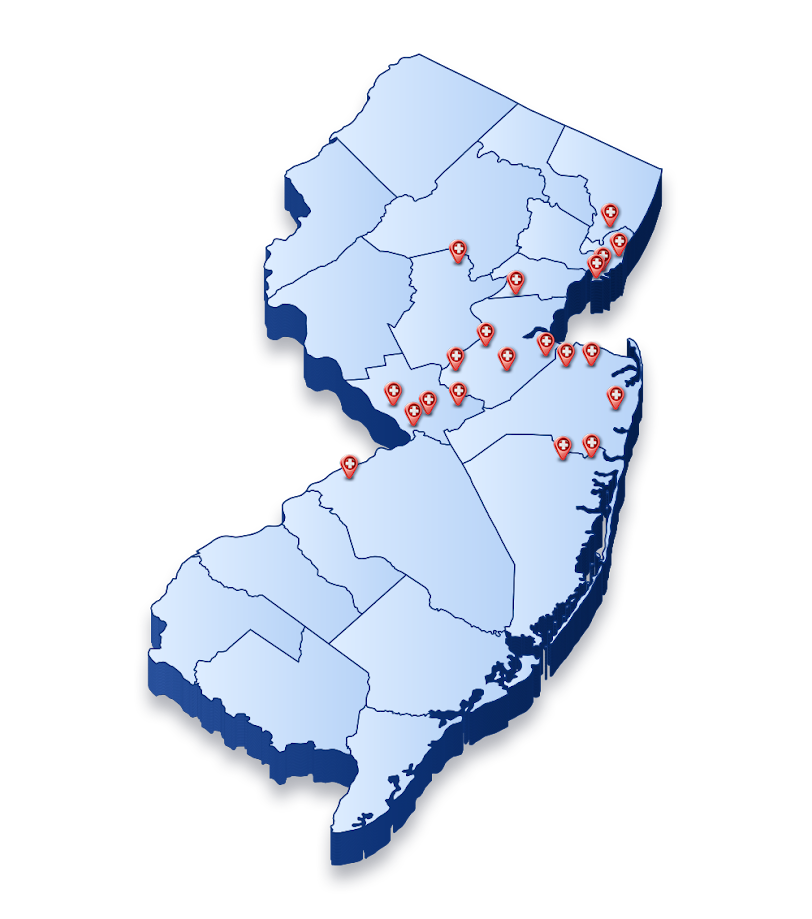
Our Somerset clinic at 21 Clyde Rd, Suite 102, sits in Franklin Township near the Middlesex County line, making it convenient for patients across Central New Jersey. We welcome patients from:
- Somerset and East Franklin
- Franklin Park and Middlebush
- New Brunswick
- North Brunswick
- Piscataway
- Highland Park
- South Bound Brook
Telehealth is available for follow-ups anywhere in New Jersey. Call 609-890-1050 to find the most convenient option for you.
Yes. Dr. Mir Sharif Ahmad is board-certified in both internal medicine and pulmonary disease, so he can serve as your primary care provider (PCP) while also managing lung conditions. For patients in Somerset and Franklin Township with asthma, COPD, or other breathing problems, that means one doctor for everything.
What Dr. Ahmad provides as your PCP:
- Annual physicals and preventive screenings
- Sick visits for common illnesses
- Management of diabetes, high blood pressure, and high cholesterol
- Medication reviews across all your prescriptions
- Referrals to other specialists when needed
What he adds as a pulmonologist:
- Evaluation of breathing problems without a separate referral
- Breathing tests and inhaler adjustments during routine visits
- Coordinated decisions, since many heart, blood pressure, and allergy medications affect breathing
Check your health plan: Some plans list doctors in their directories as either primary care or specialist providers. If your plan, such as an HMO or NJ FamilyCare plan, requires you to choose a PCP, our team can help confirm that Dr. Ahmad can be selected.
Call AZZ Medical Associates at 609-890-1050 to choose Dr. Ahmad as your primary care doctor in Somerset.
Mir Sharif Ahmad, MD, sees patients at our Somerset clinic at 21 Clyde Rd, Suite 102, Somerset, NJ 08873 on the following schedule:
Monday: 1:00 PM to 4:00 PM
Tuesday: 9:00 AM to 4:00 PM
Wednesday: 3:30 PM to 6:00 PM
Thursday through Sunday: Not available at this location
Choosing the right day:
Tuesday mornings work best for fasting lab work, since it’s the only morning session.
Wednesday afternoons suit patients who work during the day, with appointments until 6:00 PM.
Breathing tests may need a longer appointment, so mention them when you book.
Telehealth visits: Ask our team about virtual appointments for follow-ups, medication reviews, and test result discussions while you’re in New Jersey.
Need care on another day? Call 609-890-1050. Our team can help you find the next available appointment with Dr. Ahmad, or with another AZZ provider if your concern can’t wait.
Hours can change around holidays. Call to confirm before your visit.
Yes. Dr. Mir Sharif Ahmad speaks Urdu and Punjabi in addition to English. For breathing and chronic conditions especially, describing symptoms in your own words leads to a more accurate diagnosis.
Why language matters for lung and chronic care:
- Precise symptoms: The difference between chest tightness, breathlessness, and wheezing changes the diagnosis. These details are easier to describe in your first language.
- Inhaler instructions: Correct technique is essential, and step-by-step teaching in a familiar language reduces mistakes.
- Medication timing: Clear explanations of when and how to take each medication improve results.
- Action plans: Knowing exactly what to do during a flare-up helps prevent emergency visits.
Especially helpful for older parents and grandparents: Many families in Somerset, Franklin Park, and nearby Middlesex County communities care for older relatives who are more comfortable in Urdu or Punjabi. Dr. Ahmad can speak directly with them, while caregivers join the visit to stay informed.
For English-speaking family members: Ask for written instructions in English, so the whole household can follow the care plan at home.
Call 609-890-1050, and mention your preferred language when booking.
Yes, in most cases. Families in the Somerset area often host parents or relatives visiting from overseas, sometimes for several months. Health problems can come up during long visits, especially for older relatives with chronic conditions.
Common concerns for visiting relatives:
- Running low on medications for diabetes, blood pressure, or heart conditions
- Breathing problems triggered by seasonal allergies, cold weather, or air travel
- Uncontrolled blood sugar or blood pressure after travel and diet changes
- New symptoms that need evaluation
How payment usually works:
- Travel medical insurance: Many visitors buy short-term plans before arriving. Bring the policy details to the visit.
- Self-pay: Visitors without coverage can pay directly. You have the right to a Good Faith Estimate of costs before the visit.
What to bring:
- All medications, in their original packaging. Brand names differ between countries, so generic names help.
- Any medical records or recent test results from home
- A list of diagnoses and allergies
Language support: Dr. Ahmad’s Urdu and Punjabi help many visiting relatives communicate comfortably.
In an emergency, call 911.
Asthma and COPD both cause shortness of breath, wheezing, and cough, but they’re different conditions that need different treatment.
Asthma:
- Can begin at any age, including adulthood
- Symptoms come and go, often triggered by allergies, exercise, cold air, infections, or smoke
- Airway narrowing usually improves significantly with treatment
- Often linked to allergies or a family history of asthma
COPD (chronic obstructive pulmonary disease):
- Usually develops after age 40
- Most often linked to smoking, or to long-term exposure to dust, fumes, chemicals, or indoor smoke from cooking fuels
- Symptoms tend to be persistent and gradually worsen
- Airway damage is only partly reversible
Some people have features of both, known as asthma-COPD overlap.
How the diagnosis is confirmed: Spirometry measures how much air you can exhale and how quickly. The test is repeated after an inhaled medication. Under international COPD (GOLD) criteria, airflow limitation that persists after that medication confirms COPD.
Why it matters: Asthma and COPD use different inhaler combinations. The right diagnosis helps you breathe better and have fewer flare-ups.
Call 609-890-1050 to schedule a breathing evaluation with Dr. Ahmad in Somerset.
A pulmonary function test (PFT) measures how well your lungs work. It’s one of the most important tools for diagnosing and monitoring asthma, COPD, and other breathing conditions.
Common lung tests:
- Spirometry: You breathe in deeply and blow out as hard and fast as you can into a mouthpiece.
- Bronchodilator testing: Spirometry is repeated after an inhaled medication to see whether breathing improves.
- Lung volumes and diffusion testing: These measure how much air your lungs hold and how well oxygen passes into your blood.
How to prepare:
- Ask about your inhalers. You may be asked to pause certain medications for several hours, or longer, before testing. Don’t stop anything without instructions.
- Avoid smoking or vaping for at least an hour before.
- Skip heavy meals beforehand.
- Wear loose, comfortable clothing.
- Mention recent illness, chest or eye surgery, or heart problems.
What to expect: Testing usually takes 30 to 60 minutes. You may feel briefly lightheaded or tired from the deep breaths.
Dr. Ahmad reviews the results with you and explains what they mean for your treatment, in English, Urdu, or Punjabi.
A COPD flare-up, also called an exacerbation, is a period when symptoms suddenly worsen. Acting early may prevent a hospital stay.
Signs of a flare-up:
- More shortness of breath than usual
- More coughing
- A change in mucus color, thickness, or amount
- Needing your rescue inhaler more often
- Fever, fatigue, or trouble sleeping
What to do:
- Follow your written COPD action plan, created with Dr. Ahmad in advance.
- Use your rescue inhaler as directed.
- Start any medications your plan includes, such as steroids or antibiotics, when instructed.
- Call the office the same day, since early treatment works best.
Call 911 for:
- Severe breathlessness, or being unable to speak in full sentences
- Confusion or extreme drowsiness
- Blue or gray lips or fingertips
- Chest pain
After a flare-up: Schedule a follow-up visit to review the trigger and adjust treatment.
Pulmonary rehabilitation: A supervised program of exercise, breathing techniques, and education that improves strength and quality of life. Medicare covers it for patients with moderate to very severe COPD who have a referral. Ask Dr. Ahmad whether it’s right for you.
Some people with COPD, lung scarring, or other lung conditions need extra oxygen when their blood oxygen levels drop too low. Oxygen therapy can improve energy and sleep, and for some patients, it can help them live longer.
How your doctor decides:
- Pulse oximetry: a quick finger clip that measures blood oxygen
- Arterial blood gas: a blood test, in some cases
- Testing at rest, during walking, and during sleep, since oxygen levels can drop at different times
Medicare coverage: Medicare generally covers home oxygen when testing shows blood oxygen at or below 88% under specific conditions, with a doctor’s order and documentation.
Types of home oxygen:
- Concentrators: machines that pull oxygen from room air
- Portable concentrators: for errands and travel
- Oxygen tanks: as backup or for portable use
Safety rules:
- Never smoke, or allow smoking, near oxygen.
- Keep oxygen away from open flames, gas stoves, and candles.
- Don’t adjust your oxygen flow without talking to your doctor.
Needing oxygen isn’t always permanent. Some patients need it only temporarily after an illness, or only at night.
Lung nodules are small spots on the lungs, often found by chance on a CT scan done for another reason. Most nodules are not cancer. They’re often scars from old infections or harmless growths.
What your doctor considers:
- Size: Very small nodules carry very low risk.
- Appearance: Shape and density on the scan
- Your history: Smoking, family history, prior cancer, and exposure to dust or chemicals
- Change over time: Stable nodules are usually benign.
Typical next steps, based on widely used radiology guidelines (Fleischner Society):
- Small, low-risk nodules: often no further testing, or a single follow-up scan
- Larger or higher-risk nodules: repeat CT scans at set intervals to check for growth
- Suspicious features: additional imaging, such as a PET scan, or a biopsy
How Dr. Ahmad helps: As a pulmonologist, he can review the scan, explain your risk, and set a clear follow-up schedule. You don’t need to wait for a separate specialist referral.
Bring to your visit: the CT report, and the scan images if possible.
Waiting for answers can be stressful. A clear plan helps. Call 609-890-1050 to review your scan.
Yes. Poor air quality can worsen asthma, COPD, and heart conditions, and it can irritate healthy lungs too. In June 2023, smoke from Canadian wildfires pushed air quality across New Jersey to unhealthy levels, sending many residents with breathing conditions to doctors and emergency rooms.
Check the Air Quality Index (AQI) at AirNow.gov or in your weather app:
- Green and yellow: generally safe for most people
- Orange: unhealthy for sensitive groups, including people with asthma or COPD, older adults, and children
- Red or higher: unhealthy for everyone
On poor air quality days:
- Stay indoors with windows closed.
- Run air conditioning or a HEPA air purifier.
- Limit outdoor exercise.
- Wear a well-fitting N95 mask if you must go outside.
- Keep your rescue inhaler with you.
Indoor air matters too: Cooking smoke, incense, strong cleaning products, and mold can trigger symptoms. Good ventilation helps.
Call your doctor if you notice:
- Using your rescue inhaler more than usual
- Increased coughing or wheezing
- Shortness of breath with less activity
Call 911 for severe breathing difficulty.
Recovery from a respiratory infection often takes longer than people expect. Lingering symptoms are common, but some need medical evaluation.
Common after-effects:
- Post-infection cough: may last several weeks after the infection clears
- Shortness of breath with activity
- Fatigue and reduced stamina
- Chest tightness
- New or worsening asthma symptoms, since infections can inflame the airways
Why it happens:
- Inflammation in the airways takes time to settle.
- Reduced activity during illness lowers fitness.
- Some people develop longer-lasting symptoms after COVID-19.
When to see your doctor:
- A cough that lasts more than eight weeks
- Shortness of breath that isn’t improving, or is getting worse
- Fever that returns
- Chest pain, or coughing up blood
- Low oxygen readings on a home pulse oximeter
How Dr. Ahmad evaluates it:
- Exam and oxygen level checks
- A chest X-ray, when appropriate
- Breathing tests
- Review of heart and other possible causes
Recovery tips: Gradually increase activity, practice deep breathing, stay hydrated, and keep up with recommended vaccines.
Many people use their inhalers incorrectly without realizing it. Poor technique is a common reason breathing symptoms stay uncontrolled.
Common inhaler types and tips:
- Metered-dose inhalers (MDIs): Shake the inhaler, breathe out fully, then press and breathe in slowly and deeply. A spacer helps more medicine reach your lungs.
- Dry powder inhalers: Breathe in quickly and deeply. Don’t shake them or breathe into the device.
- Steroid inhalers: Rinse your mouth and spit after each use to prevent thrush.
- Check the dose counter, so you don’t run out unexpectedly.
Bring your inhalers to every visit. Dr. Ahmad can watch your technique and correct it, in English, Urdu, or Punjabi.
Ways to lower costs:
- Ask about generic options, now available for several common inhalers
- Check your plan’s preferred drug list, which can change yearly
- Manufacturer programs: Some inhaler makers cap out-of-pocket costs for eligible patients.
- Medicare Part D: Now has a yearly limit on out-of-pocket drug costs.
- 90-day supplies: Often cost less per month.
Never skip doses to save money. Tell your doctor, since a more affordable option is often available.
Call 609-890-1050 after any hospital stay to schedule your follow-up visit in Somerset.
This information is educational and not a substitute for professional medical advice. In an emergency, call 911.