Primary Care & Psychiatric Clinic in Carneys Point, New Jersey

AZZ Medical Associates has served New Jersey communities since 2013. At our Carneys Point clinic, patients can access primary care, adult health, addiction treatment, and psychiatric care through one coordinated team of nurse practitioners and psychiatric care providers.

Carneys Point Township has an estimated population of 8,766. About 21.7% of residents are 65 or older, and 12% of residents aged 5 and older speak a language other than English at home. Our multilingual team includes a Turkish-speaking nurse practitioner, helping more patients discuss their health concerns in a language they’re comfortable using.

Healthcare Clinic in Carneys Point, NJ AZZ Medical

Our Clinic Location in Carneys Point

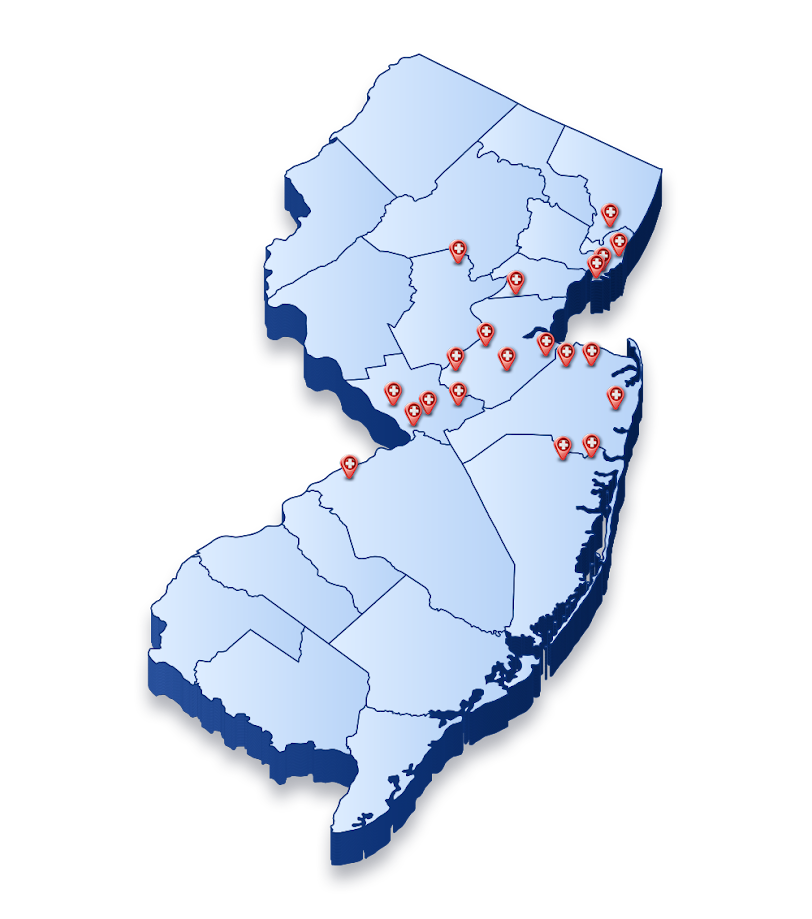
Our clinic is located at 316 Merion Ave in Carneys Point, serving patients from across Salem County, including Penns Grove, Pennsville, Deepwater, Pedricktown, and Salem. The office is convenient for patients traveling along Route 130 and I-295, and for residents who commute across the Delaware Memorial Bridge for work.

Carneys Point is also served by regional public transportation. NJ Transit Route 401 connects Salem, Carneys Point, Penns Grove, Woodbury, and other communities. Check the NJ Transit trip planner for the closest stop and the current schedule.

Explore Our Clinic

Take a look inside our Carneys Point office before your visit. The clinic provides a private, comfortable setting for primary care, adult health, psychiatric care, addiction treatment, and follow-up visits.

Our Medical Specialties in Carneys Point

Our Carneys Point clinic brings several areas of care together at one location, through in-person and telehealth visits. Each patient receives an evaluation, a clear diagnosis, and a personalized treatment plan built around their health goals and daily life.
Primary Care

Your first point of contact for any health concern, with preventive care, medication reviews, and coordinated referrals.

Adult Health

Care for adults of every age, from routine checkups to managing ongoing conditions like diabetes and high blood pressure.

Family Nurse Practitioner Care

Health assessments, diagnosis, treatment planning, and ongoing primary care from a board-certified family nurse practitioner.

Addiction Treatment

Outpatient evaluation and treatment for opioid and alcohol use, including medication-based treatment when appropriate.

Psychiatric Care

Psychiatric evaluation, diagnosis, and medication management for depression, anxiety, ADHD, sleep problems, and other conditions.

Our Multilingual Healthcare Providers in Carneys Point

Our Carneys Point team includes nurse practitioners in primary care, adult health, and addiction treatment, along with a board-certified psychiatric nurse practitioner. Because the team shares one medical record, your physical health, mental health, and recovery care stay connected instead of being managed in separate offices.

Jacqueline K. Chiong, FNP

Family Nurse Practitioner (FNP)

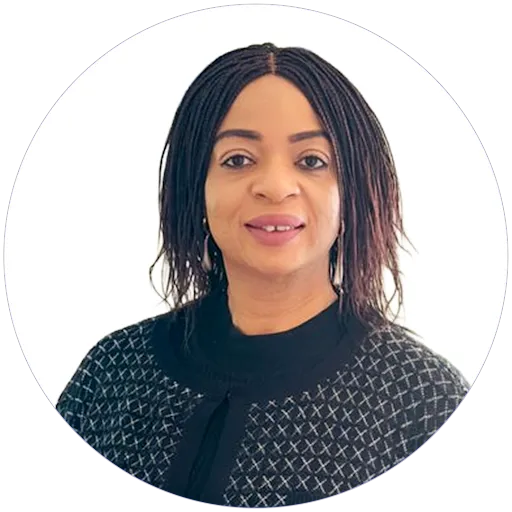
Ngozi R. Okafor, PMHNP-BC

Psychiatric Mental Health Nurse Practitioner.

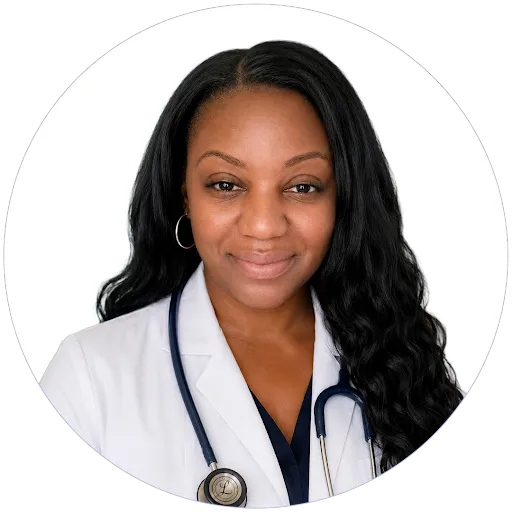
Vinneta Shorter, NP

Nurse Practitioner

Sermet Demir, NP

Nurse Practitioner

What to expect at your first visit

Four simple steps from your first call to ongoing care, in person or online.

1

Book online or call 609-890-1050. We verify your insurance and match you with the right provider.

2

Your First Appointment

Your provider reviews your symptoms, medical history, and medications, and listens to what matters most to you.

3

Your Care Plan

Together you agree on next steps, which may include tests, medication, referrals, or lifestyle changes.

4

Ongoing follow-up

Regular visits, in person or by telehealth, track your progress and adjust your care as your needs change.


Insurance Coverage

AZZ Medical Associates accepts Medicare, Medicaid, NJ FamilyCare, and many major insurance plans. Participation and benefits can vary by plan, so call 609-890-1050 before your appointment to confirm that your plan participates with the Carneys Point clinic and to discuss any coverage questions.

Areas We Serve in and Around Carneys Point

Our clinic at 316 Merion Ave, Carneys Point, NJ 08069 sits near Route 130 and I-295, making it convenient for patients across Salem County. We welcome patients from:

  • Carneys Point and Deepwater
  • Penns Grove
  • Pennsville
  • Pedricktown and Oldmans Township
  • Salem
  • Woodstown

Telehealth is available for eligible appointments anywhere in New Jersey. Call 609-890-1050 to find the most convenient option for you.

4.4 30 Google reviews

What Our Patients Say When We’re Not in the Room

Don’t Take Our Word for It. Take Theirs.

★★★★★

Excellent expedience

Yury Kaykov 2 weeks ago
★★★★★

I felt right at home 🙌🏽

Tnita Donaldson 2 weeks ago
★★★★★

Jacqueline is a wonderful caring person. She always takes time to listen to my concerns and has helped me through several difficult times recently. She makes sure my medication is taken care of and goes out of her way for any problems I may have.

Cindy Pifer 2 months ago
★★★★★

Dr Sermet is always very helpful. Thanks.

hulagu79 2 months ago
★★★★★

Dr Dimir seemed very knowledgeable. I had a good dr visit. I recommend

Aston Lee 2 months ago
316 Merion Ave, Carneys Point, NJ 08069 Write a Google Review

Yes. Medication for opioid use disorder (MOUD) is one of the most effective treatments for opioid addiction, and it can be started in an outpatient clinic without a hospital or residential stay.

Medications commonly used:

  • Buprenorphine (including Suboxone): reduces cravings and withdrawal, with a lower overdose risk than full opioids
  • Naltrexone (monthly injection): blocks the effects of opioids, started after withdrawal is complete

What changed recently: Since January 2023, a special federal waiver is no longer required to prescribe buprenorphine. That has made it easier to start treatment with a regular primary care provider.

What to expect:

  • An evaluation of your substance use, health history, and current medications
  • A plan for starting medication safely, often timed to early withdrawal symptoms
  • Frequent follow-ups at first, then spaced out as you stabilize
  • Coordination with counseling and psychiatric care when needed

Treatment is designed around your life, so you can keep working and caring for your family while you recover. Call AZZ Medical Associates at 609-890-1050 to ask about starting treatment in Carneys Point.

For many people, yes. Outpatient care works well for people who are medically stable and have support at home.

FDA-approved medications for alcohol use disorder:

  • Naltrexone: reduces cravings and the reward from drinking
  • Acamprosate: helps maintain abstinence after you stop
  • Disulfiram: causes unpleasant effects if you drink

These medications are underused, and many people don’t know their primary care provider can prescribe them.

A safety warning: If you drink heavily every day, don’t stop suddenly on your own. Alcohol withdrawal can cause seizures and a dangerous condition called delirium tremens. Your provider can assess your risk and decide whether withdrawal can be managed safely as an outpatient.

What outpatient care includes:

  • An honest, judgment-free assessment
  • Lab work to check your liver and overall health
  • Medication, if appropriate
  • Referral to counseling or support groups
  • Treatment for anxiety, depression, or sleep problems that often go along with drinking

Not sure whether your drinking is a problem? The NIAAA’s free Rethinking Drinking tool is a good starting point. Bring your results to your visit.

Acting quickly can save a life. Opioid overdoses, especially from fentanyl, can stop a person’s breathing within minutes.

Signs of an opioid overdose:

  • Unresponsive, or can’t be woken up
  • Slow, shallow, or stopped breathing
  • Gurgling or snoring sounds
  • Blue or gray lips and fingertips
  • Pinpoint pupils

What to do:

  1. Call 911.
  2. Give naloxone (Narcan) if you have it. It’s sold over the counter, and it won’t harm someone who isn’t overdosing.
  3. Start rescue breathing or CPR if trained.
  4. Place the person on their side if they’re breathing, to prevent choking.
  5. Stay until help arrives. Naloxone can wear off before the opioids do.

Legal protection in New Jersey: Under the state’s Overdose Prevention Act, a person who calls for help during an overdose, and the person overdosing, are generally protected from arrest and prosecution for simple drug possession or use.

After an overdose, follow-up care matters. Our Carneys Point team can help start treatment as soon as the person is ready.

Not without your permission, in most cases. Substance use treatment records have some of the strongest privacy protections in healthcare.

How your information is protected:

  • HIPAA protects all of your health information.
  • 42 CFR Part 2, a federal regulation, adds extra protection for records from certain substance use treatment programs, generally requiring your written consent before they’re shared.

What this means:

  • Employers don’t receive your treatment information unless you authorize it.
  • Family members, including spouses and adult children, aren’t told unless you give permission.
  • Courts and police generally need a specific court order, not just a request.

At work:

  • Medical leave: Treatment may qualify for job-protected leave under the Family and Medical Leave Act, depending on your employer and work history.
  • Workplace protections: People in recovery who aren’t currently using illegal drugs may be protected under the Americans with Disabilities Act.

Exceptions are limited, such as medical emergencies or immediate safety concerns.

Fear of others finding out keeps many people from getting help. Call 609-890-1050 to ask how your privacy is protected before your first visit.

A relapse doesn’t mean treatment failed, and it doesn’t mean you’ll be turned away. Addiction is a chronic medical condition. According to the National Institute on Drug Abuse, relapse rates for substance use disorders are estimated at 40% to 60%, similar to relapse rates for other chronic conditions like high blood pressure and asthma.

If you relapse:

  • Tell your provider. Honesty helps your provider adjust your plan, not punish you.
  • Don’t stop your medication on your own unless your provider advises it.
  • Be careful with opioids. Tolerance drops quickly after a period of not using, so overdose risk is much higher. Keep naloxone nearby.

How your provider may adjust treatment:

  • Changing the dose or type of medication
  • Adding counseling or support groups
  • Treating triggers, such as untreated pain, depression, anxiety, or trouble sleeping
  • Increasing visit frequency for a while

Warning signs worth discussing early:

  • Strong cravings
  • Spending time with people or places linked to past use
  • Skipping appointments or medications
  • Feeling hopeless or isolated

Recovery isn’t a straight line. Our Carneys Point team will keep working with you.

Effective pain care doesn’t have to rely on opioids. For people in recovery, or anyone worried about dependence, a combined approach often works better long term.

Non-opioid treatment options:

  • Anti-inflammatory medications and acetaminophen, used safely and within dose limits
  • Nerve pain medications, such as certain antidepressants and anticonvulsants
  • Topical treatments, like lidocaine or anti-inflammatory gels
  • Physical therapy and guided exercise to strengthen and protect joints and the back
  • Referral for injections or other procedures when appropriate
  • Sleep and mood treatment, since poor sleep and depression make pain feel worse

If you take buprenorphine: It also has pain-relieving effects. Your provider can sometimes adjust the dose or timing to help with pain.

Safety steps your provider takes:

  • Checking the New Jersey Prescription Monitoring Program before prescribing controlled medications
  • Reviewing all of your medications for interactions
  • Coordinating pain care with your addiction treatment plan

Be open about your history. Telling your provider about past substance use helps them choose safer treatments for you.

Call 609-890-1050 to schedule a pain evaluation in Carneys Point.

Yes. ADHD and substance use disorders often occur together, and untreated ADHD can make recovery harder. Treatment is possible, with extra care in choosing medications.

Non-stimulant options:

  • Atomoxetine and viloxazine: FDA-approved for adult ADHD, with no misuse potential
  • Guanfacine or clonidine (extended release): sometimes used alone or with other treatment
  • Bupropion: sometimes prescribed off-label, and may also help with depression or quitting smoking

If a stimulant is appropriate:

  • Long-acting forms, such as lisdexamfetamine, are harder to misuse than short-acting forms.
  • Safety measures may include prescription monitoring checks, regular follow-ups, and agreed-upon refill schedules.

What your psychiatric provider considers:

  • How long you’ve been in recovery
  • Which substances you’ve used
  • Other conditions, such as anxiety, depression, or sleep problems
  • Whether ADHD symptoms are confirmed, since substance use can cause similar symptoms

Be honest about your history. It helps your provider choose the safest, most effective option for you.

Ngozi R. Okafor, PMHNP-BC, evaluates and treats adult ADHD at our Carneys Point clinic, with care coordinated alongside your recovery plan.

Many Salem County residents work rotating or overnight shifts at plants and facilities along the Delaware River, in healthcare, or in transportation. Working against your body’s natural clock can cause shift work disorder: trouble sleeping during the day and excessive sleepiness on the job.

Common signs:

  • Sleeping fewer than six hours after night shifts
  • Drowsiness at work or while driving home
  • Irritability and trouble concentrating
  • Relying on caffeine or alcohol to stay awake or fall asleep

Practical steps that help:

  • Keep a consistent sleep schedule, even on days off, when possible.
  • Make your bedroom dark, using blackout curtains and an eye mask.
  • Wear sunglasses on the drive home to limit morning light.
  • Limit caffeine in the last hours of your shift.
  • Take a short nap before a night shift.

When to see your provider:

  • You’ve nearly fallen asleep while driving.
  • Sleep problems affect your mood, safety, or relationships.
  • You snore loudly, which may signal sleep apnea.
  • You use alcohol or sleep aids regularly to rest.

Your provider can check for other causes and discuss safe treatment options.

Possibly. PFAS, sometimes called “forever chemicals,” are man-made chemicals that build up in the body over time. The New Jersey Department of Environmental Protection has required investigation and cleanup of PFAS contamination linked to the former Chambers Works chemical site in the Deepwater area.

Who may have higher exposure:

  • Current or former workers at the site
  • People who used private wells near the site
  • Long-term residents of nearby communities

What national guidance recommends: In 2022, the National Academies of Sciences, Engineering, and Medicine advised clinicians to offer PFAS blood testing to patients likely to have elevated exposure. Depending on the results, follow-up may include:

  • Cholesterol testing
  • Thyroid function testing
  • Attention to signs of kidney or testicular cancer, and ulcerative colitis

Important to know:

  • Many insurance plans don’t cover PFAS blood tests. Ask about cost first.
  • A blood test shows exposure, not a diagnosis.
  • If you use a private well, check NJDEP guidance on testing your water.

Bring your work history and home address history to your visit.

Yes. The CDC recommends that all adults be tested for hepatitis C at least once, along with testing during every pregnancy. People who inject or have injected drugs should be tested regularly.

Why testing matters:

  • Hepatitis C often causes no symptoms for years.
  • Over time, it can lead to liver scarring, cirrhosis, and liver cancer.
  • Many people don’t know how they were infected.

Who has a higher risk:

  • People who have ever injected drugs, even once, many years ago
  • People who received a blood transfusion before 1992
  • People who have had a tattoo from an unlicensed setting
  • People born to a mother with hepatitis C

The good news: Modern hepatitis C treatment is a course of pills, usually taken for 8 to 12 weeks, and it cures the infection in most people. Treatment is generally well tolerated.

How testing works:

  • A simple blood test checks for antibodies.
  • If positive, a second test confirms whether the virus is still active.

Testing fits naturally into a primary care or addiction treatment visit. Ask your Carneys Point provider at your next appointment.

Yes. Many Carneys Point and Penns Grove residents commute across the Delaware Memorial Bridge for work, and you can still receive your care close to home.

In-person visits: You can be seen at our clinic at 316 Merion Ave regardless of where you work.

Telehealth: Our providers are licensed in New Jersey, so you must be physically located in New Jersey during a video visit. Schedule telehealth for times when you’re home, not at work in Delaware.

Insurance from a Delaware employer:

  • Many employer plans include providers across state lines, but networks vary.
  • Call 609-890-1050 before your first visit, so our team can confirm whether your plan participates.

Records from Delaware providers:

  • If you’ve been treated at a Wilmington-area hospital or specialist, ask them to send records to our office.
  • Bring discharge papers and new prescriptions to your follow-up visit.

Pharmacies: Prescriptions can be sent to a New Jersey pharmacy near home, or to a pharmacy near work, depending on the medication.

Having a primary care home in Carneys Point keeps your care consistent, wherever your job takes you.

Your Health Deserves Expert Care  Book Your  Appointment Today  Book Your  Appointment Today  Book Your  Appointment Today