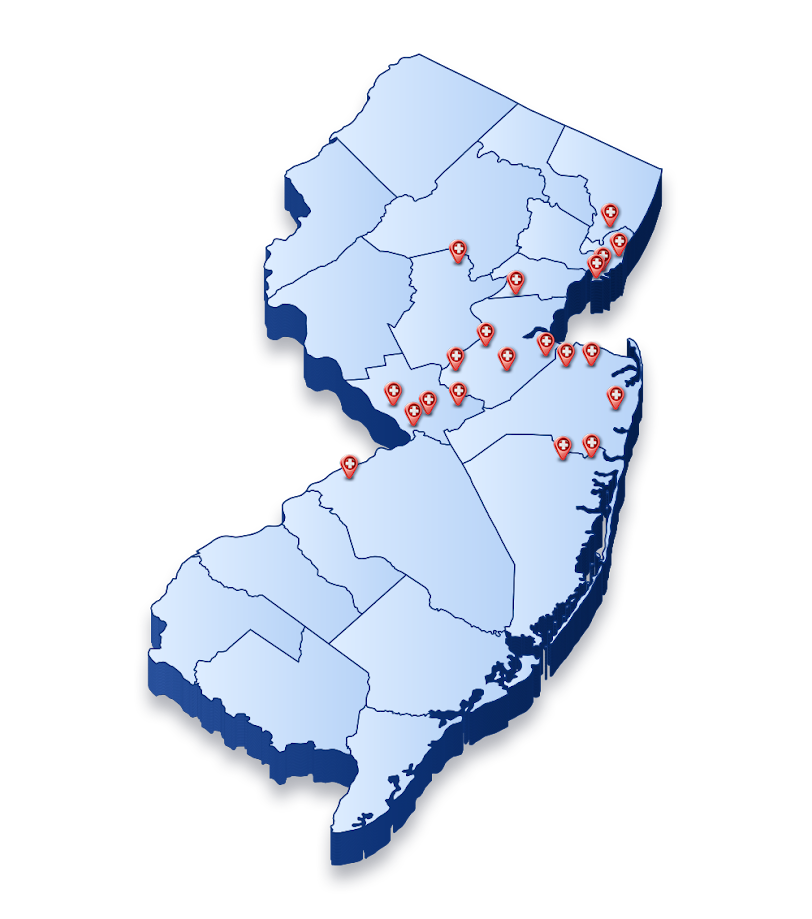
Primary Care Clinic in Basking Ridge, New Jersey

AZZ Medical Associates provides family medicine and primary care for patients of all ages at our clinic on North Finley Avenue in Basking Ridge. Families from across Bernards Township and the Somerset Hills come to us for checkups, sick visits, chronic condition management, and preventive care in one familiar place.

Basking Ridge had 7,196 residents in the 2020 Census. About a quarter were under 18, and nearly one in five were 65 or older. That mix of growing families and older adults is exactly what family medicine is built for: one care team that knows your household’s health history across every generation. Since 2013, AZZ Medical Associates has delivered outpatient care across New Jersey, and our Basking Ridge clinic brings that experience close to home with both in-person and telehealth appointments.

Our Clinic Location in Basking Ridge

Our clinic is located at 150 N Finley Ave, Suite 207, Basking Ridge, NJ 07920, in the heart of Bernards Township in Somerset County. The office is convenient for patients from Liberty Corner, Lyons, West Millington, Bernardsville, Far Hills, Bedminster, Warren Township, Millington, and Stirling.

Drivers can reach us easily from Interstate 287 and US Route 202, and NJ Transit’s Gladstone Branch serves Basking Ridge and Lyons for patients traveling by train. Whether you’re coming from home, work, or a child’s school, the clinic is a practical stop for routine and same-day care.

Explore Our Clinic

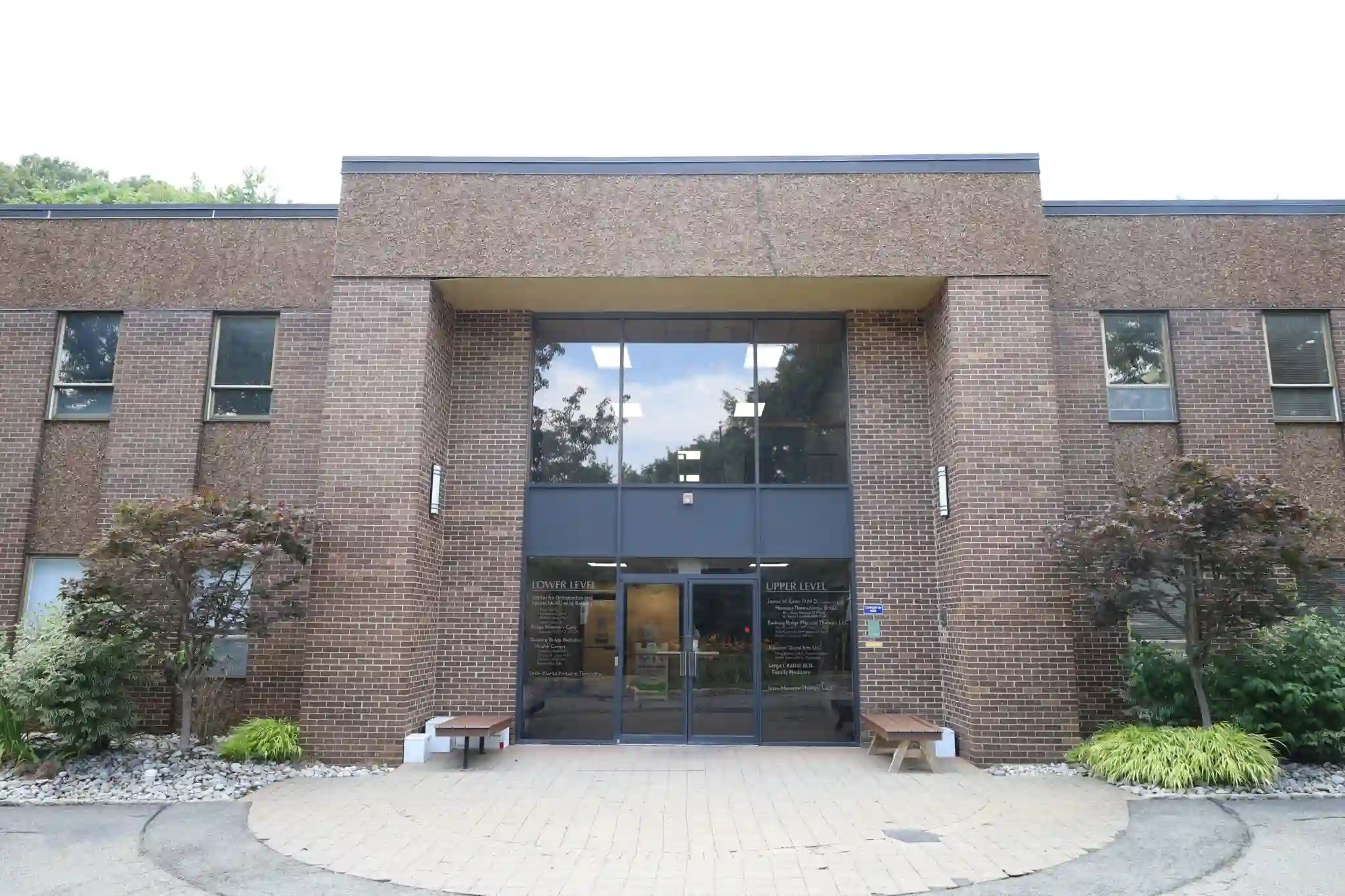
Take a look inside our Basking Ridge office before your first visit. Our clinic is designed to feel calm and welcoming for patients of every age, from toddlers coming in for well-child visits to seniors managing ongoing health conditions.

Our Medical Specialties in Basking Ridge

Our Basking Ridge clinic focuses on Primary Care & Family Medicine through in-person visits and telehealth. Each patient receives an evaluation, a clear diagnosis, and a personalized treatment plan built around their health goals and daily life.

Primary Care

A primary care provider is your first point of contact for any health concern and the person who keeps your overall care on track.

Family Medicine

A family medicine provider cares for children, teens, adults, and seniors under one roof.

Our Healthcare Providers at Finley Ave, Basking Ridge

Our Basking Ridge providers bring years of experience in family medicine. They follow a patient-focused approach that puts listening and continuity of care first. Patients can choose a regular provider and see the same clinician over time, which builds trust and makes care more consistent.

Kaftal, Sergiusz, MD

Family Medicine

What to Expect During Your First Visit

Your first appointment at our Basking Ridge clinic starts with a conversation. Your provider reviews your symptoms, medical and family history, current medications, and the health goals that matter most to you. Any exam or lab work follows from that discussion, and you’ll leave knowing your next steps.

Bring a photo ID, your insurance card, a list of current medications with doses, and any records from previous providers. For children, include vaccination records and any school or sports forms. Not sure what to bring? Call 609-890-1050, and our staff will help.

Insurance Coverage

We accept all major insurance plans, including Medicare, Medicare Advantage, Medicaid, and NJ FamilyCare, along with most employer-based commercial plans. If you have questions about coverage, copays, or referrals, call 609-890-1050, and our support team will verify your benefits before your visit.

Areas We Serve in Basking Ridge

Our Basking Ridge clinic at 150 N Finley Ave, Suite 207, is located in Bernards Township, making it convenient for patients across the Somerset Hills. We welcome patients from:

  • Basking Ridge
  • Liberty Corner, Lyons, and West Millington
  • Bernardsville and Far Hills
  • Bedminster
  • Warren Township
  • Millington and Stirling

Telehealth is available for follow-ups anywhere in New Jersey. Call 609-890-1050 to find the most convenient option for you.

Ticks are common in the wooded parks and backyards around Basking Ridge, including areas near Lord Stirling Park and the Great Swamp. New Jersey is one of the states with the highest rates of Lyme disease, which is spread mainly by the blacklegged (deer) tick.

Remove the tick right away:

  • Use fine-tipped tweezers to grasp the tick close to the skin.
  • Pull upward with steady, even pressure.
  • Clean the area with soap and water or rubbing alcohol.
  • Don’t crush the tick with your fingers or use heat, nail polish, or petroleum jelly.

When to call your family doctor:

  • Within 72 hours of removal, if the tick may have been attached for 36 hours or more. A single preventive dose of the antibiotic doxycycline may be recommended for adults and children, following Infectious Diseases Society of America guidance.
  • Within 30 days, if you or your child notices an expanding red rash (sometimes shaped like a bull’s-eye), fever, fatigue, headache, or joint pain.

Prevent bites: Use EPA-registered repellent, wear light-colored clothing, and check your whole family, including pets, after hiking, gardening, sports, or summer camp. Call AZZ Medical Associates at 609-890-1050 if you’re unsure whether a bite needs treatment.

The Somerset Hills’ trees, lawns, and open fields bring allergy seasons that can last much of the year:

  • Spring: tree pollen
  • Late spring and summer: grass pollen
  • Late summer and fall: ragweed
  • Year-round: dust mites, mold, and pet dander

Treatments your family doctor may recommend:

  • Nasal steroid sprays: often the most effective option, especially when started before the season begins
  • Non-drowsy antihistamines: for itching and sneezing
  • Saline rinses: to clear pollen from nasal passages
  • Allergy eye drops: for itchy, watery eyes

When allergies reach the lungs: Allergies and asthma often go together in both children and adults. Pollen season can trigger coughing, chest tightness, or wheezing, sometimes for the first time. Your family doctor can evaluate breathing symptoms and prescribe the right inhaler to keep them controlled through each season.

When to see your provider:

  • Over-the-counter medicines aren’t helping.
  • Allergies disrupt sleep, school, or work.
  • You or your child notices wheezing, shortness of breath, or a lingering cough.
  • Sinus infections keep returning.

Your provider can refer you to an allergist for testing and allergy shots when needed.

Antibiotics treat bacterial infections, but many common illnesses are caused by viruses, where antibiotics don’t help and can cause side effects. Using them only when needed also helps prevent antibiotic resistance.

Usually viral, so antibiotics don’t help:

  • Colds and most coughs
  • Acute bronchitis: a chest cold that can cause coughing for up to three weeks. Antibiotics generally aren’t recommended.
  • Flu and COVID-19, though antiviral medications may help some patients
  • Most sore throats that aren’t strep
  • Most sinus infections in their first week

Often bacterial, so antibiotics may be needed:

  • Strep throat, confirmed with a rapid test or throat culture
  • Urinary tract infections, confirmed with a urine test
  • Pneumonia, diagnosed by exam and often a chest X-ray
  • Sinus infections lasting more than 10 days without improvement, with a high fever and thick nasal discharge for several days, or that get worse after starting to improve
  • Some ear infections, especially in young children or severe cases. Mild cases may be watched for a few days first.

Why testing matters: Quick in-office tests help your provider choose the right treatment instead of guessing.

Antibiotic side effects can include stomach upset, yeast infections, allergic reactions, and serious intestinal infections. If you’re prescribed antibiotics, take the full course as directed.

A cough lasting more than eight weeks in adults is considered chronic and deserves a medical evaluation, even if you otherwise feel well.

The most common causes:

  • Postnasal drip, often from allergies or sinus problems
  • Asthma, including a form where cough is the main symptom
  • Acid reflux, even without heartburn
  • Blood pressure medications called ACE inhibitors, such as lisinopril
  • Smoking or vaping, including past heavy smoking

How your Basking Ridge family doctor evaluates it:

  • A detailed history and physical exam
  • A review of your medications
  • A chest X-ray when appropriate
  • Breathing tests to check for asthma or COPD
  • A treatment trial aimed at the most likely cause

Many patients have more than one cause, so treating them together often works best.

See a doctor promptly if your cough comes with:

  • Coughing up blood
  • Unexplained weight loss, fever, or night sweats
  • Shortness of breath or wheezing
  • A new or changed cough in a current or former smoker

Call 609-890-1050 to schedule a cough evaluation in Basking Ridge.

Possibly. Loud snoring is one of the most common signs of obstructive sleep apnea, a condition where the airway repeatedly collapses during sleep. Untreated, it’s linked to high blood pressure, atrial fibrillation, stroke, and drowsy-driving accidents.

Signs to watch for:

  • Loud, frequent snoring
  • Pauses in breathing noticed by a bed partner
  • Waking up gasping or choking
  • Morning headaches
  • Daytime sleepiness despite a full night in bed
  • Trouble concentrating or irritability

Children can have sleep apnea too. Snoring, restless sleep, bedwetting, or daytime behavior and attention problems can be signs, sometimes linked to enlarged tonsils or adenoids.

How it’s diagnosed:

  • A screening questionnaire during your visit
  • A home sleep apnea test, worn overnight in your own bed
  • An in-lab sleep study, for children or more complex cases

Treatment options:

  • CPAP therapy: a mask that keeps your airway open during sleep
  • Oral appliances, fitted by a dentist, for some adults
  • Weight loss, which can reduce severity
  • Medication: In 2024, the FDA approved tirzepatide (Zepbound) for moderate to severe obstructive sleep apnea in adults with obesity.
  • ENT referral, when enlarged tonsils or adenoids are involved

Call 609-890-1050 to schedule a sleep evaluation in Basking Ridge.

Yes. Family physicians diagnose and manage asthma in children and adults every day, and most patients can keep their asthma well controlled through regular visits with their family doctor.

What asthma care looks like at our Basking Ridge clinic:

  • Diagnosis: a detailed history, exam, and breathing tests or a referral for testing
  • The right medications: daily controller inhalers to prevent symptoms, and rescue inhalers for flare-ups
  • Inhaler technique: making sure you or your child uses inhalers and spacers correctly
  • A written asthma action plan: clear steps for when symptoms are under control, worsening, or severe
  • Trigger management: seasonal pollen, colds, exercise, pets, and smoke
  • School and sports forms for students who need inhalers at school

Signs asthma isn’t well controlled:

  • Using a rescue inhaler more than twice a week
  • Waking at night with coughing or wheezing
  • Missing school, work, or activities because of breathing problems

When a specialist helps: For severe or hard-to-control asthma, COPD, or unusual breathing problems, your family doctor coordinates a pulmonology referral and stays involved in your care.

Seek emergency care for severe trouble breathing, being unable to speak in full sentences, or blue lips.

If you have a significant smoking history, yes. An annual low-dose CT scan can find lung cancer early, when treatment is most effective.

Who should be screened, according to the U.S. Preventive Services Task Force:

  • Adults ages 50 to 80
  • With a smoking history of at least 20 pack-years
  • Who currently smoke, or who quit within the past 15 years

How to calculate pack-years: Multiply the number of packs smoked per day by the number of years you smoked. For example, one pack a day for 20 years, or two packs a day for 10 years, equals 20 pack-years.

Medicare coverage: Medicare covers annual screening for eligible adults ages 50 to 77. A shared decision-making visit with your provider is required before your first scan.

What to know before screening:

  • The scan is quick and painless, with a low radiation dose.
  • Findings are common. Many are small, harmless nodules that only need a follow-up scan.
  • Screening stops once you’ve been smoke-free for 15 years, or if health problems would prevent treatment.

Your family doctor can review your history, explain the benefits and risks, and arrange screening at a nearby imaging center. Call 609-890-1050 to discuss lung cancer screening.

Yes. Many Basking Ridge residents help manage care for an aging parent, and family medicine is built for caring for patients across every stage of life, including older adults with several health conditions and multiple specialists.

How your parent’s family doctor can help:

  • Medication reviews: Older adults often take many prescriptions, so their doctor checks for duplicates, interactions, and medications that raise fall risk.
  • Memory and fall-risk checks during routine visits
  • Specialist coordination, with cardiology, nephrology, and other referrals tracked in one place
  • Follow-up after hospital stays, so discharge instructions and new medications are reviewed quickly

Setting up access to your parent’s care:

  • Written permission: Your parent must sign a HIPAA authorization form before our office can share information with you.
  • Portal proxy access: With your parent’s consent, you may be able to view appointments, messages, and results online.
  • A health care representative, named in a New Jersey advance directive, can make medical decisions if your parent can no longer decide for themselves.

Joining visits: With your parent’s permission, you’re welcome to attend appointments in person or join a telehealth visit from another location.

Yes. Your family doctor can evaluate new or changing spots on your skin, or your child’s, and decide whether a dermatology referral or biopsy is needed.

Use the ABCDEs to spot warning signs of melanoma:

  • Asymmetry: one half doesn’t match the other
  • Border: irregular, ragged, or blurred edges
  • Color: several shades, including brown, black, red, white, or blue
  • Diameter: larger than about 6 millimeters, the size of a pencil eraser
  • Evolving: changes in size, shape, color, or symptoms like itching or bleeding

Also have checked:

  • A sore that doesn’t heal within a few weeks
  • A spot that looks different from your other moles
  • Rough, scaly patches on sun-exposed skin

What to know about screening: The U.S. Preventive Services Task Force doesn’t routinely recommend full-body skin exams for adults without symptoms, so concerning spots should be evaluated as they appear.

Protect your family’s skin: Golf, tennis, gardening, and summer camps mean plenty of sun exposure. Use a broad-spectrum sunscreen of SPF 30 or higher, reapply every two hours, and wear hats and protective clothing. Bring up any skin concern at your next visit.

Yes, when it’s medically appropriate. Weight loss medications are prescribed as part of a complete plan that includes nutrition, physical activity, sleep, and regular follow-up.

Who may qualify for FDA-approved weight management medication:

  • Adults with a BMI of 30 or higher
  • Adults with a BMI of 27 or higher who also have a weight-related condition, such as high blood pressure, type 2 diabetes, or high cholesterol

FDA-approved options include:

  • GLP-1-based medications, such as semaglutide (Wegovy) and tirzepatide (Zepbound)
  • Oral options, such as phentermine-topiramate and naltrexone-bupropion

Before prescribing, your family doctor reviews:

  • Your medical and family history, since some medications aren’t safe for people with certain thyroid cancers or a history of pancreatitis
  • Your current medications and lab work
  • Pregnancy plans

Insurance coverage varies. Many commercial plans require prior authorization. Medicare doesn’t cover these medications for weight loss alone, though it may cover certain ones for other approved uses, such as reducing cardiovascular risk.

A safety note: Compounded versions of these medications aren’t FDA-approved, and the FDA has warned about dosing errors with them. Your provider can explain safe, approved options.

Yes. Family physicians commonly help women manage perimenopause and menopause, which often begins in the mid-40s to early 50s.

Common symptoms:

  • Hot flashes and night sweats
  • Trouble sleeping
  • Mood changes, anxiety, or irritability
  • Vaginal dryness and discomfort during intercourse
  • Irregular periods during perimenopause
  • Changes in memory or concentration

Treatment options:

  • Hormone therapy: the most effective treatment for hot flashes and night sweats. For most healthy women under 60, or within 10 years of menopause, the benefits generally outweigh the risks, according to The Menopause Society.
  • Non-hormonal medications: including certain antidepressants and newer FDA-approved options for hot flashes
  • Vaginal estrogen: a low-dose local treatment for dryness and urinary symptoms
  • Lifestyle approaches: regular exercise, limiting alcohol and caffeine, and keeping bedrooms cool

Long-term health: Menopause affects bone and heart health. Your family doctor may recommend bone density testing, cholesterol checks, and strength training.

Treatment is personal. Your provider will review your medical history, including any history of blood clots or certain cancers, before recommending options.

Yes. Thyroid disorders are among the most common conditions family physicians manage, and they are especially common in women.

Underactive thyroid (hypothyroidism) may cause:

  • Fatigue and low energy
  • Weight gain
  • Feeling cold
  • Dry skin and hair thinning
  • Constipation
  • Low mood

Overactive thyroid (hyperthyroidism) may cause:

  • A racing heartbeat
  • Weight loss
  • Anxiety or shakiness
  • Heat intolerance
  • Trouble sleeping

How thyroid conditions are diagnosed: A simple blood test measuring thyroid-stimulating hormone (TSH), sometimes with additional thyroid hormone levels and antibody tests.

Tips if you take thyroid medication (levothyroxine):

  • Take it on an empty stomach, 30 to 60 minutes before breakfast.
  • Take calcium, iron supplements, and antacids at least four hours apart from your thyroid medication.
  • Expect a repeat TSH test about six to eight weeks after any dose change.
  • Tell your provider if you’re planning a pregnancy or become pregnant, since dose needs often change.

When a thyroid condition is complex, your family doctor can coordinate referral to an endocrinologist.

Yes, and that’s one of the biggest advantages of family medicine. Many Basking Ridge households care for children and aging parents at the same time, and having one doctor who knows everyone simplifies life.

How family medicine helps households:

  • One doctor who knows your family’s history, across generations
  • Back-to-back appointments, so several family members can be seen on the same visit
  • Shared family history, helping your doctor spot inherited risks like heart disease, diabetes, or certain cancers earlier
  • One office to call for questions about everyone’s care

Care for every stage of life:

  • Physicals for school, sports, and camp
  • Sick visits for children and adults
  • Chronic condition management for parents
  • Preventive care and screenings for older adults

Access to family members’ care:

  • Parents and guardians can manage appointments for minor children.
  • Adults, including aging parents, must give written permission before our office can share information about their care.

Call 609-890-1050 to schedule your family with our Basking Ridge family medicine team.

There’s no single right age, because family doctors can care for patients from childhood through adulthood. Many families switch at one of these points:

  • When the whole family wants one practice, making scheduling and communication simpler
  • During the teen years, when adolescents want a provider they can keep into adulthood
  • Before leaving for college, so a young adult has an established primary care provider for breaks and summers
  • When a pediatric practice stops seeing older patients, often between ages 18 and 21

Benefits of switching to family medicine:

  • Continuity: one doctor who knows your child’s history from adolescence into adulthood
  • Family context: shared knowledge of family health history and household dynamics
  • Easier transitions: no need to find a new doctor at 18 or 21

How to make the switch:

  • Request your child’s records, including growth charts and immunization history.
  • Share any ongoing conditions, such as asthma, ADHD, or allergies.
  • Schedule a first visit to establish care.

Call 609-890-1050 to schedule your child’s first visit with our family medicine team.

Yes. Serge I. Kaftal, MD, FAAFP, cared for families in a private practice in Bernardsville from 1992 to 2022, and has seen patients at our Basking Ridge clinic since January 2023. Many longtime patients from Bernardsville and the Somerset Hills continue their care with him here.

About Dr. Kaftal:

  • Family physician with more than three decades of experience caring for patients in the Somerset Hills
  • Fellow of the American Academy of Family Physicians (FAAFP) since 2004, a recognition for family physicians who complete ongoing education beyond standard requirements
  • Family medicine residency at Lutheran Medical Center in Brooklyn, New York
  • Hospital affiliation: Morristown Medical Center, formerly Morristown Memorial Hospital 

For returning patients:

  • Records: If your records are still with his previous practice, our team can help you request them.
  • Insurance: Our staff will verify your current coverage before your visit.
  • Location: Our clinic is at 150 N Finley Ave, Suite 207, Basking Ridge, NJ 07920, a short drive from Bernardsville.

Call 609-890-1050 to schedule with Dr. Kaftal in Basking Ridge.

Your Health Deserves Expert Care  Book Your  Appointment Today  Book Your  Appointment Today  Book Your  Appointment Today