
Diabetes is a chronic condition in which the body either doesn’t make enough insulin or can’t use it properly, causing blood sugar (glucose) to build up in the bloodstream. Over time, high blood sugar damages blood vessels and nerves, raising the risk of heart disease, kidney disease, vision loss, and foot complications. Type 2 diabetes is the most common form, but type 1 diabetes, prediabetes, and gestational diabetes each need their own approach.
AZZ Medical Associates provides diabetes management services in New Jersey for children, adults, and families, from first diagnosis to long-term control. With in-person visits across New Jersey and audio/video telehealth options, you can prioritise your health without taking time off work for every check-in.
Diabetes Treatment and Management in New Jersey
Blood Sugar Shouldn't Feel Like a Daily Math Problem
Finger sticks, carb counts, refill dates, lab results. Living with diabetes can feel like a second job you never applied for. You’re not alone in that. The CDC estimates 40.1 million people in the U.S. have diabetes, and more than a quarter of adults with it don’t know yet. In New Jersey, about 792,400 adults live with a diabetes diagnosis, and roughly 56,000 more are diagnosed every year.
Our providers turn those numbers into a plan you can follow. Whether you were just told your A1C is high, you’re tired of medication side effects, or your readings swing no matter what you do, we help you understand what’s driving your blood sugar and what to change first. Small, steady adjustments add up, and you don’t have to figure them out alone.
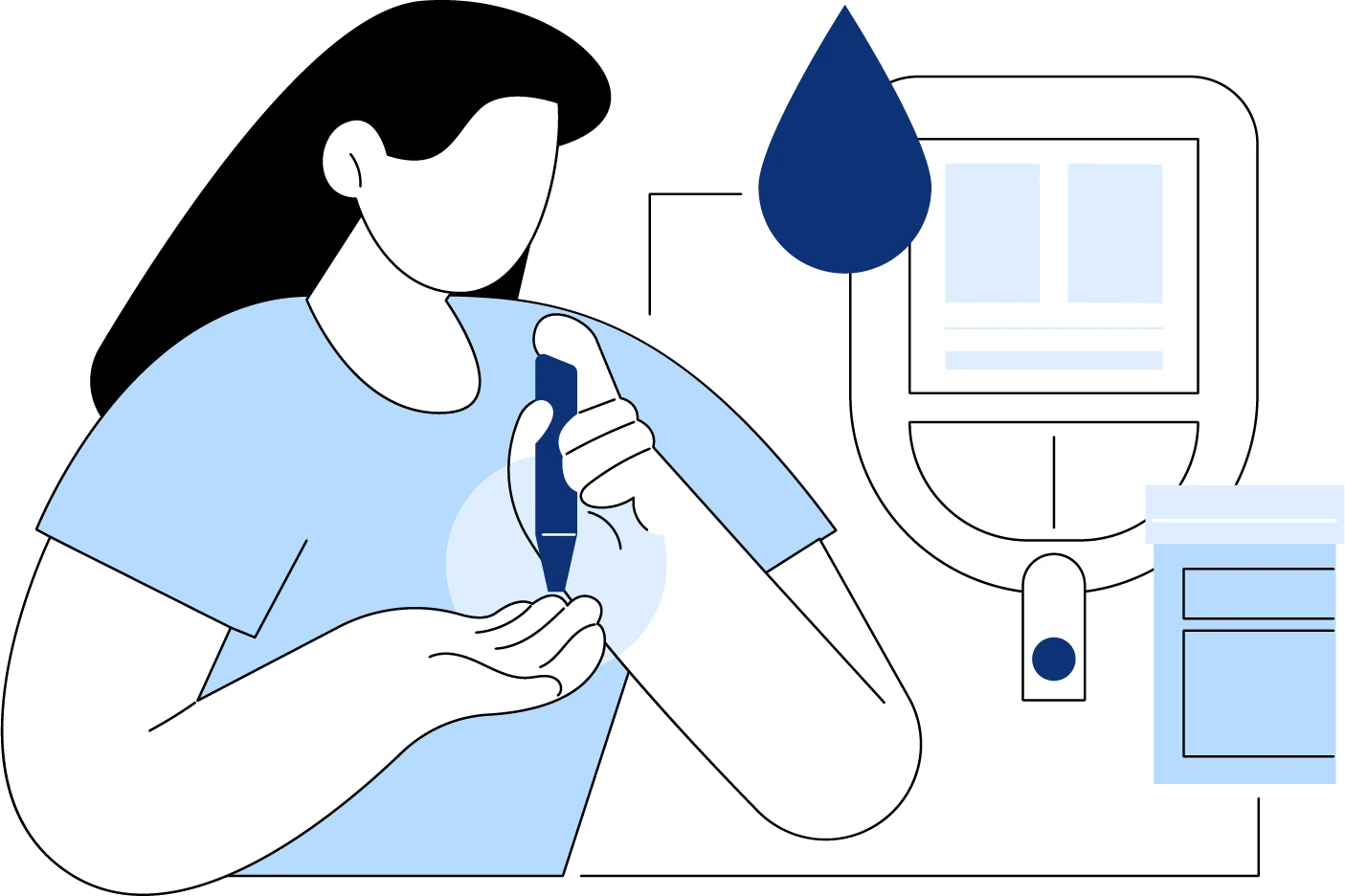
Recognizing the Symptoms of Diabetes
Type 2 diabetes and prediabetes often cause no symptoms for years, while type 1 can appear suddenly. Knowing the warning signs and your risk helps you act before complications start.
Common Symptoms of High Blood Sugar
- Frequent urination, especially at night
- Constant thirst and dry mouth
- Unexplained weight loss despite eating normally
- Feeling tired or drained most of the day
- Blurry vision that comes and goes
- Cuts, sores, or bruises that heal slowly
- Tingling, numbness, or burning in the hands or feet
- Frequent infections of the skin, gums, or bladder
- Dark, velvety patches of skin on the neck or underarms (acanthosis nigricans)
Who Is at Higher Risk for Diabetes?
- Are 35 or older
- Carry extra weight, especially around the waist
- Have a parent or sibling with type 2 diabetes
- Have high blood pressure or abnormal cholesterol
- Had gestational diabetes or delivered a baby over 9 pounds
- Have polycystic ovary syndrome (PCOS)
- Are physically inactive most days
- Are of Black, Hispanic/Latino, Native American, Asian American, or Pacific Islander heritage
How We Diagnose Diabetes at AZZ Medical Associates
An accurate diagnosis starts with the right tests, read in the context of your health history. AZZ Medical Associates follows the American Diabetes Association (ADA) Standards of Care to confirm diabetes, identify its type, and check for early complications. Here’s what to expect:
- We review your symptoms, family history, medications, and lifestyle.
- We check your A1C, which reflects your average blood sugar over the past three months. An A1C of 6.5% or higher points to diabetes, and 5.7% to 6.4% indicates prediabetes.
- We may order a fasting plasma glucose test or an oral glucose tolerance test (OGTT) for a fuller picture.
- We confirm results with a repeat test unless symptoms are clear and blood sugar is very high.
- When type 1 diabetes or LADA is suspected, we order autoantibody testing to identify the type correctly.
- We screen your kidneys with eGFR and urine albumin (UACR) tests, check cholesterol and blood pressure, and examine your feet.
- We create a personalized treatment plan and arrange your annual diabetic eye exam.
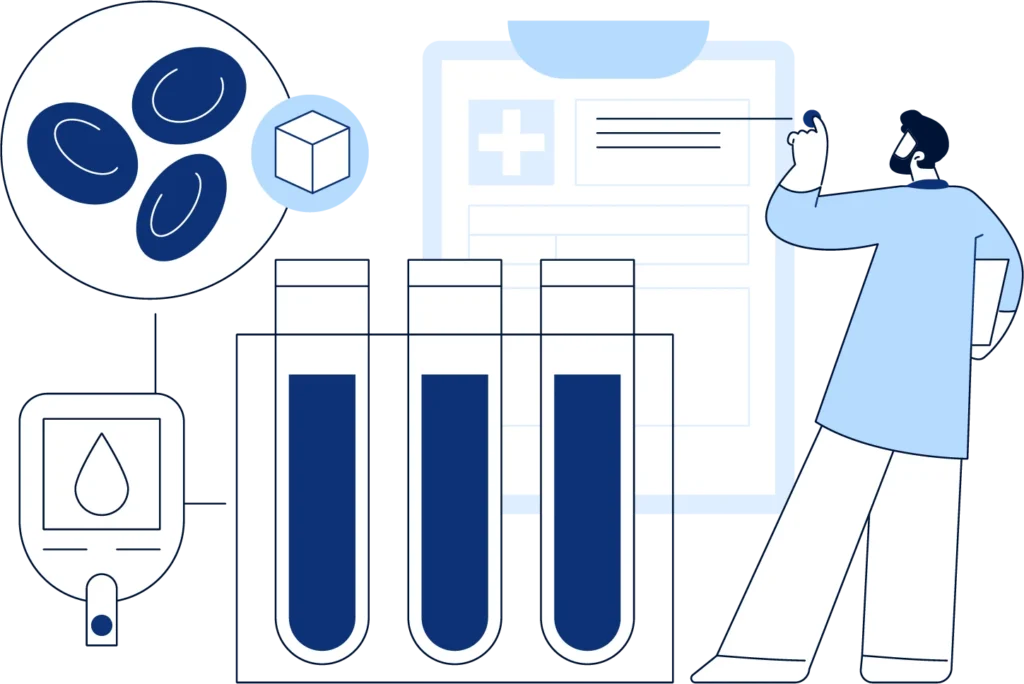
Why Choose AZZ Medical for Diabetes Care in NJ
Diabetes care works best when the same team watches every part of the picture, from your A1C to your kidneys, heart, and feet. Since 2013, AZZ Medical Associates has helped New Jersey patients manage diabetes with coordinated, ongoing care. Here’s why patients across the state choose us:
- All insurances accepted, including Medicare and Medicaid
- Same-day appointments
- Board-certified primary care and internal medicine providers
- In-house nephrology for diabetic kidney disease
- Chronic Care Management and Remote Patient Monitoring programs
- Medication management, including insulin and GLP-1 therapies
- Continuous glucose monitor (CGM) support
- Telehealth follow-ups across New Jersey
- Walk-in appointments
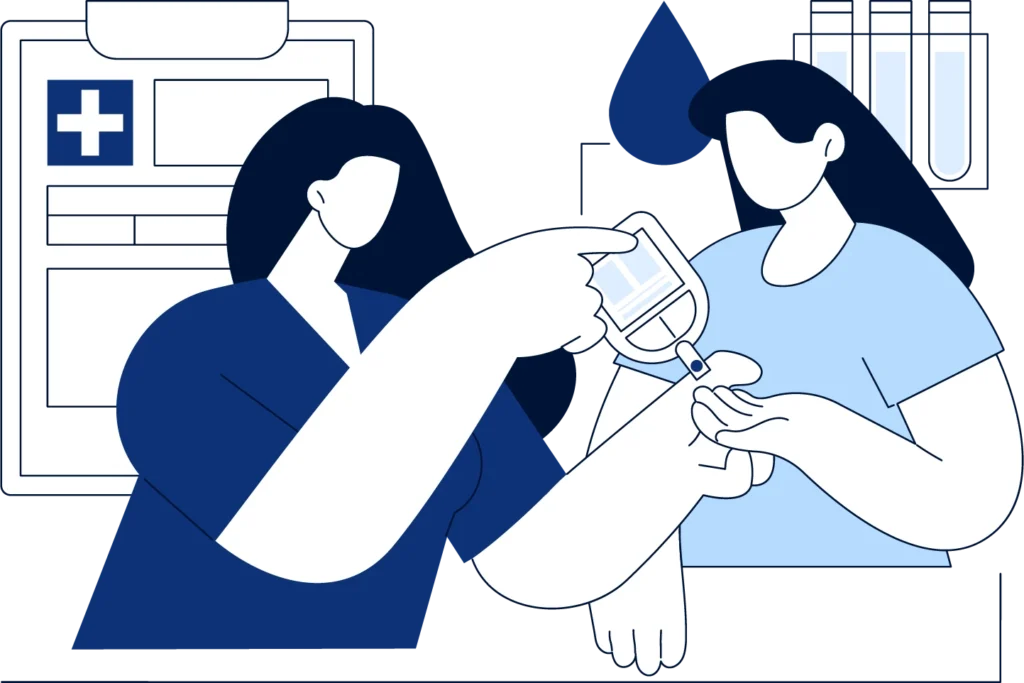
Still Thinking About Your A1C Results at the Dinner Table?
Whether it’s a parent checking a child’s readings, a teen counting carbs before practice, or an adult second-guessing every bite, diabetes has a way of following you to every meal. At AZZ Medical Associates, we build plans around real family life, not a perfect chart. Between visits, remote monitoring and telehealth check-ins keep your provider close, so everyone at the table can worry less.
Diabetes Care Across New Jersey
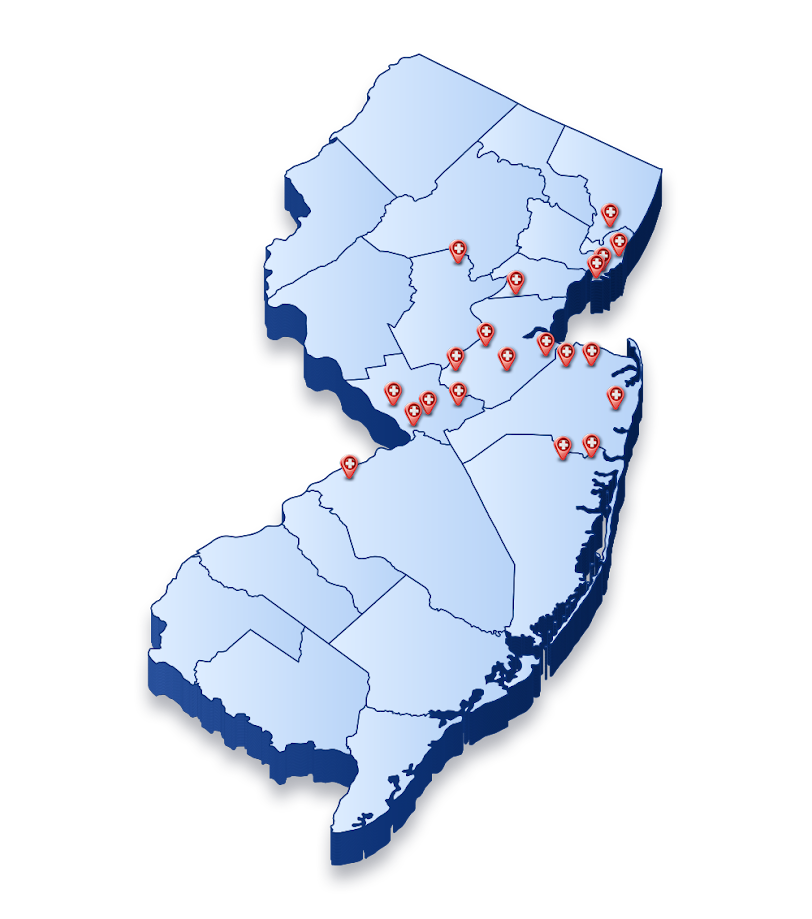
Looking for a diabetes doctor near you in NJ? AZZ Medical Associates provides diabetes care at clinics in Ewing, Hamilton Township, Brick Township, Lakewood, Matawan, Hazlet, Holmdel, North Brunswick, South Plainfield, Plainsboro, Newark, East Orange, Bayonne, Jersey City, and Delran. Each location offers diabetes testing, medication management, and follow-up care close to home.
Our clinics serve patients across Mercer, Ocean, Monmouth, Middlesex, Essex, Hudson, and Burlington counties, from Central Jersey to the Shore and North Jersey. Every clinic shares one connected medical record, so your A1C history, labs, and medication changes follow you wherever you’re seen. For routine follow-ups, telehealth visits let you review readings with your provider without leaving home.
Yes. A reading that’s “a little high” is your body’s early warning, and it’s far easier to act on now than later.
Slightly elevated glucose often means insulin resistance is already building, even when you feel perfectly healthy. Damage to blood vessels and nerves can begin quietly during this stage.
A visit helps you find out three things:
- Whether one reading reflects a real pattern. Stress, illness, or a late snack can skew a single number.
- What’s driving it. Weight, medications, sleep, and family history all play a part.
- What to change first. Small adjustments now can keep the condition from progressing.
Waiting rarely makes numbers improve on their own. Call AZZ Medical Associates at 609-890-1050 to have your results reviewed.
A new diagnosis can feel overwhelming. The first few weeks are about building a foundation, not perfection.
Schedule a follow-up visit. Your provider will confirm your medication plan and explain how often to check your glucose.
Get a glucose meter or monitor. Learning how food, activity, and stress affect your readings turns guesswork into knowledge.
Sign up for diabetes education. Diabetes Self-Management Education and Support (DSMES) programs teach practical skills like reading food labels, timing medications, and handling sick days. Many plans, including Medicare, cover them.
Tell the people close to you. Family support makes meal changes and new routines easier to stick with.
Start with one change. Swapping sugary drinks for water or adding a daily walk builds momentum without burnout.
Most people feel more in control within a month or two.
Targets are personal, but the American Diabetes Association offers general goals for many adults.
- A1C: Below 7%
- Before meals (fasting): 80 to 130 mg/dL
- One to two hours after eating: Below 180 mg/dL
- Continuous glucose monitor users: Spending at least 70% of the day between 70 and 180 mg/dL, known as time in range
Your provider may set tighter or looser goals depending on your age, other health conditions, and risk of low blood sugar. Older adults and people prone to hypoglycemia often aim a little higher for safety. Younger, healthy adults may aim lower to reduce long-term complications.
Knowing your personal targets makes every reading meaningful instead of confusing. Ask your provider to write yours down at your next visit.
There’s no single “diabetic diet,” and very few foods are completely off-limits. The goal is balancing carbohydrates so blood sugar rises gently instead of spiking.
The plate method is an easy place to start:
- Fill half your plate with non-starchy vegetables such as broccoli, salad greens, or peppers.
- Fill a quarter with lean protein like fish, chicken, beans, or eggs.
- Fill the remaining quarter with whole grains or starchy foods such as brown rice, sweet potato, or whole-wheat bread.
Water and unsweetened drinks beat soda and juice, which raise glucose quickly. High-fiber foods slow sugar absorption and keep you full longer.
For tailored guidance, Medical Nutrition Therapy (MNT) with a registered dietitian is covered by Medicare for people with diabetes. Cultural foods and family recipes can almost always stay on the table with smart portion adjustments.
Physical activity works like a natural diabetes medication. Muscles pull glucose from your bloodstream during and after movement, and regular activity makes your body more sensitive to insulin for hours afterward.
The ADA suggests:
- At least 150 minutes of moderate activity each week, such as brisk walking, cycling, or swimming, spread over three or more days
- Strength training two to three times a week, using weights, resistance bands, or bodyweight exercises
- Breaking up long periods of sitting with a few minutes of light movement every 30 minutes
A short walk after meals is one of the simplest ways to blunt post-meal spikes.
If you take insulin or sulfonylureas, check your glucose before exercise and carry a quick snack. Wear supportive shoes, and talk with your provider before starting intense workouts if you have heart, eye, or nerve complications.
Most treatment plans start with metformin, an inexpensive, well-studied medication that reduces the liver’s sugar production. Stomach upset is common at first, and an extended-release version often eases it.
Other options are chosen based on your heart, kidney, and weight goals:
- SGLT2 inhibitors such as empagliflozin (Jardiance) and dapagliflozin (Farxiga) remove sugar through the urine and protect the heart and kidneys.
- GLP-1 receptor agonists and dual agonists lower glucose, reduce appetite, and benefit heart health.
- DPP-4 inhibitors such as sitagliptin (Januvia) are gentle oral options with few side effects.
- Sulfonylureas such as glipizide are low-cost but carry a higher risk of low blood sugar.
Many people eventually need two or more medications. That’s a normal part of managing a progressive condition, not a sign of failure.
Not necessarily. Many people with type 2 diabetes manage well for years with oral or injectable non-insulin medications. Type 2 diabetes can progress over time, though, and insulin becomes the right tool for some patients.
Needing insulin doesn’t mean you did something wrong. It simply means your pancreas needs more help than before.
People with type 1 diabetes require insulin from diagnosis, since their bodies no longer produce it.
Starting insulin today is simpler than most people expect. Modern pens use ultra-fine needles that cause little discomfort. Many patients begin with one daily dose of long-acting basal insulin, such as insulin glargine, and adjust from there. Your provider will teach you dosing, injection sites, and how to prevent lows. With the right support, insulin often brings relief rather than burden.
A continuous glucose monitor is a small sensor worn on the arm or abdomen. It checks glucose every few minutes and sends readings to your phone, replacing most finger sticks.
CGMs are especially helpful if you:
- Use insulin, particularly multiple daily injections
- Have frequent or unnoticed low blood sugar
- Want to see how specific meals and workouts affect your levels
Popular prescription systems include Dexcom and FreeStyle Libre. Since 2024, over-the-counter options such as Dexcom Stelo and Abbott Lingo have also been available for adults who don’t use insulin.
Medicare covers CGMs for people who use insulin or have a history of problematic low blood sugar. Many commercial plans and NJ FamilyCare offer similar coverage. Our team can check your eligibility. Call 609-890-1050 to ask about getting started.
Low blood sugar, or hypoglycemia, usually means a reading below 70 mg/dL. It’s most common in people taking insulin or sulfonylureas.
Watch for:
- Shakiness or sweating
- Fast heartbeat
- Sudden hunger
- Irritability or anxiety
- Dizziness or blurred vision
- Confusion
Treat it with the Rule of 15:
- Eat or drink 15 grams of fast-acting carbohydrates, such as 4 ounces of juice, glucose tablets, or regular soda.
- Wait 15 minutes and recheck.
- Repeat if you’re still below 70 mg/dL.
- Have a snack once your levels recover.
Severe lows can cause fainting or seizures. Family members should know how to use emergency glucagon, available as a nasal spray or auto-injector. Frequent lows mean your plan needs adjusting, so report them to your provider.
Most high readings can be managed at home, but two conditions require immediate care.
Diabetic ketoacidosis (DKA) develops when the body breaks down fat for fuel and produces dangerous acids called ketones. It’s most common in type 1 diabetes. Rarely, it can occur in people taking SGLT2 inhibitors, even with near-normal glucose. Warning signs include:
- Nausea, vomiting, or abdominal pain
- Fruity-smelling breath
- Rapid, deep breathing
- Extreme tiredness or confusion
Hyperosmolar hyperglycemic state (HHS) usually affects older adults with type 2 diabetes. It involves extremely high glucose, severe dehydration, and confusion.
If your glucose stays above 240 mg/dL, test for ketones if you can. Call 911 or go to the emergency room if you’re vomiting, struggling to breathe, or becoming confused.
Nerve damage and reduced circulation can make small foot injuries dangerous, because you may not feel them and they heal slowly. A few daily habits prevent most serious problems.
- Check your feet every day for cuts, blisters, redness, or swelling. Use a mirror or ask a family member if bending is difficult.
- Wash and dry carefully, especially between the toes.
- Moisturize the tops and soles, but not between the toes, where moisture invites infection.
- Never walk barefoot, even at home.
- Wear well-fitting shoes and clean, dry socks.
- Trim nails straight across, and see a podiatrist for corns or thick nails.
Medicare covers therapeutic shoes and inserts for qualifying patients. Report any sore that isn’t healing within a few days, since early treatment prevents ulcers and infection.
For some people, yes. The ADA defines remission as an A1C below 6.5% that lasts at least three months after stopping all glucose-lowering medications.
Remission is most likely when significant weight loss happens fairly soon after diagnosis. Research such as the UK’s DiRECT trial showed that structured, low-calorie nutrition programs led to remission for many participants. Metabolic and bariatric surgery can also produce lasting remission in eligible patients.
Remission isn’t the same as a cure. Glucose can rise again if weight returns or with age, so regular A1C checks, eye exams, and kidney screenings still matter.
Even when full remission isn’t possible, losing a smaller amount of weight often reduces the medications you need. Your provider can help you decide whether a remission goal makes sense for you.
Pregnancy changes how the body handles glucose, and careful management protects both parent and baby.
If you already have diabetes, planning ahead matters. The ADA recommends aiming for an A1C below 6.5% before conception when it can be reached safely. Some medications should be switched before pregnancy, so talk with your provider as soon as you’re considering it.
Gestational diabetes develops during pregnancy in people who didn’t have diabetes before. Screening usually happens between 24 and 28 weeks. It’s often managed with meal planning, activity, and glucose monitoring, with insulin added when needed.
Gestational diabetes usually resolves after delivery but raises the lifetime risk of type 2 diabetes. A glucose test after your postpartum period, and regular screening after that, is recommended. AZZ coordinates closely with your OB throughout.
Type 1 diabetes in children often develops quickly, over days or weeks. Signs include:
- Extreme thirst and frequent urination
- Bedwetting in a child who was previously dry
- Unexplained weight loss
- Fatigue, irritability, or fruity-smelling breath
These symptoms need same-day medical attention, since untreated type 1 can lead to DKA.
Type 2 diabetes is increasingly diagnosed in teens, especially those with overweight and a family history. The ADA recommends screening at-risk children starting at age 10 or at the onset of puberty.
Managing diabetes at school requires planning. A Diabetes Medical Management Plan (DMMP) and, when needed, a 504 plan help school nurses and teachers support glucose checks, snacks, and insulin during the day. AZZ pediatric providers coordinate with pediatric endocrinology for ongoing care.
Medicare offers broad diabetes coverage, often with low out-of-pocket costs.
- Diabetes screenings: Up to two glucose tests per year for people at risk.
- Medicare Diabetes Prevention Program (MDPP): A lifestyle program for people with prediabetes.
- Diabetes Self-Management Training (DSMT): Education on medications, monitoring, and nutrition.
- Medical Nutrition Therapy (MNT): Sessions with a registered dietitian.
- Insulin: Covered insulin costs no more than $35 per month under Part D.
- Supplies: Glucose meters, test strips, and CGMs for eligible patients.
- Chronic Care Management (CCM): Ongoing care coordination for patients with two or more chronic conditions, available through AZZ’s CCM program.
AZZ Medical Associates also accepts Medicaid, NJ FamilyCare, and all commercial plans. Call 609-890-1050, and our team will help you understand your benefits.