
Immigration Medical Exams in New Jersey
Preparing for your green card application? An immigration medical examination is definitely one of the steps you need to go through, and knowing what to expect can make it easier. The examination covers your medical history, immunization history, and mandatory health examinations as stated in Form I-693.
Contact AZZ Medical Associates to schedule an immigration physical examination in New Jersey. Before your appointment, ask about your preferred location, required documentation, fee structure, and the time frame for completing your paperwork.

What Is an Immigration Medical Exam?
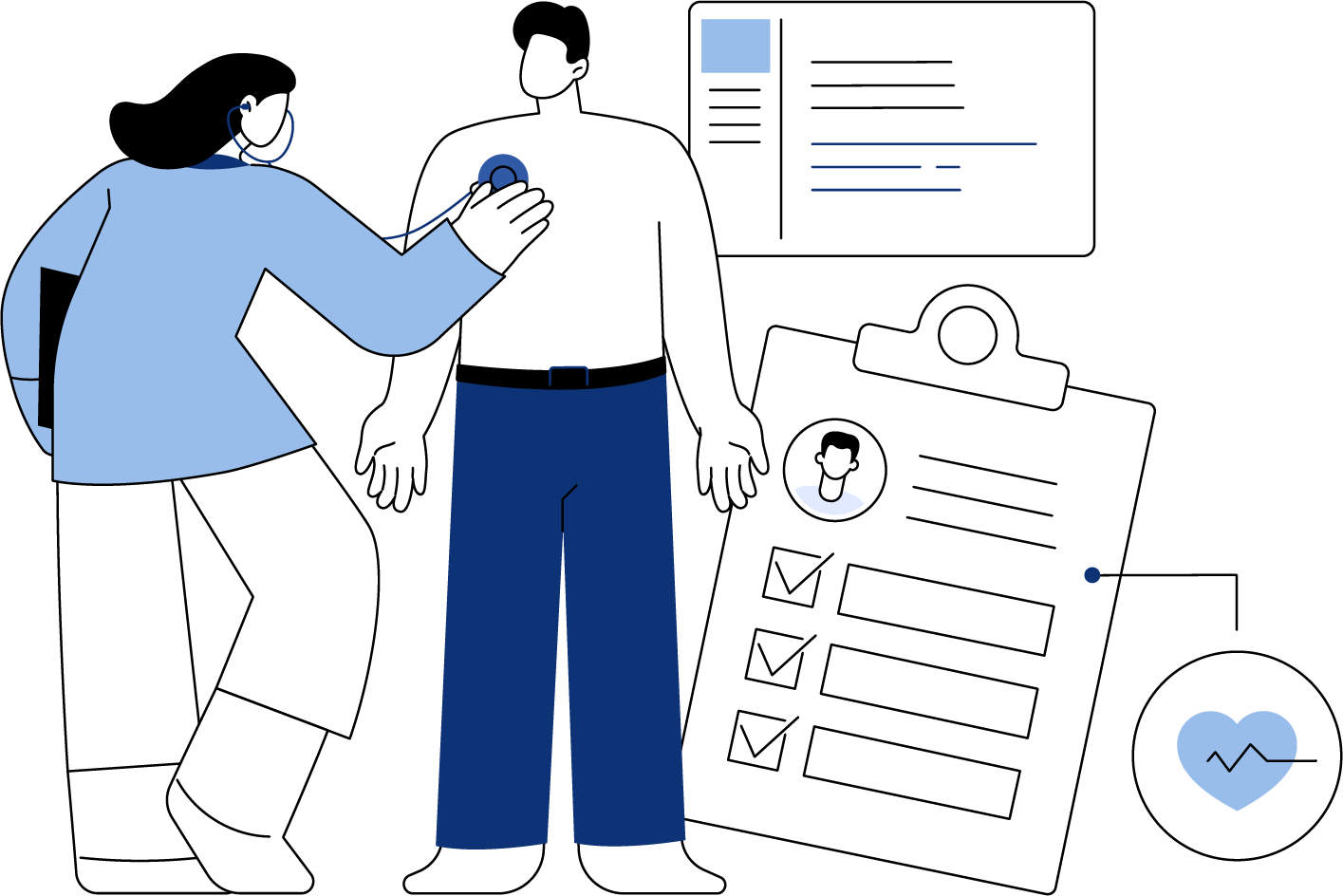
An immigration medical exam, alternatively known as the immigration physical or green card medical exam, is not an ordinary annual checkup. This medical exam evaluates your health requirements related to your immigration application.
Generally, almost everyone who wants their status to be adjusted to that of a lawful permanent resident will need to provide Form I-693, which is the Report of Immigration Medical Examination and Vaccination Record. The examination is conducted by a designated civil surgeon by USCIS.
The examination is conducted according to the specified medical instructions. It does not replace the regular treatment of your illnesses, and its completion does not assure the success of your application. USCIS makes the immigration decision.
What Your Immigration Medical Exam Includes
Your examination will be conducted taking into account your age, your medical history, and USCIS and CDC guidelines. These are the main parts of the process. Separate appointments and fees may apply for testing, vaccination, or further evaluation.
Medical History Review
Describe your current state of health, medications, and prior treatment. Bring supporting records so the civil surgeon has a clear picture of your health.
Physical Examination
The civil surgeon evaluates your health for an immigration medical assessment. This is a focused examination rather than a substitute for a complete preventive care visit.
Syphilis Screening
Blood testing is required for applicants aged 18 through 44. Applicants outside this age range may also need testing when there is reason to suspect an infection.
Gonorrhea Screening
An applicant between 18 and 24 years of age requires the gonorrhea test. Other applicants may need testing based on clinical findings. The civil surgeon should prescribe the test.
Vaccination Record Review
Submit your written vaccination records, including any from outside the USA. The civil surgeon reviews your vaccinations to determine whether they meet the requirements and determines what is missing.
Vaccination Assessment
Depending on your age, doses received, immunity, and conditions, some additional vaccines may be required by the civil surgeon.
Additional Evaluation When Needed
Some results require additional examinations or referrals to specialists before the medical examination report can be prepared. Your next actions will depend on specific results.
Form I-693 Completion
After completing all the medical evaluations, the civil surgeon completes the medical report. You get the original copy enclosed in an envelope and a separate copy for your records.
Your Immigration Medical Exam in Four Steps
A bit of preparation can save you the time of missed records and repeated visits. Here is how the process goes, from scheduling your appointment through to the completion of the medical report.
Arrange Your Appointment
Contact AZZ to verify the participating location, available appointments, and cost. Let AZZ know of any deadlines or USCIS requests so that the estimated completion time can be discussed.
Bring Your Documents
Be sure to bring proper identification, vaccination records, a medication list, and any other medical reports. Review the current Form I-693 instructions before the appointment and leave the applicant's signature unsigned until instructed.
Complete the Medical Requirements
Attend the examination and complete the tests, vaccinations, or follow-up as recommended by the civil surgeon. Inform the office if there was any previous treatment for TB, a vaccine reaction, pregnancy, or other medical history.
Collect Your Completed Report
When your requirements are met, pick up the sealed Form I-693 and personal copy. Keep the original envelope sealed and follow the current USCIS submission instructions.

Plan Your Immigration Medical Exam With AZZ
Immigration paperwork comes with enough questions. Your medical appointment should begin with a clear explanation of what to bring, what the examination involves, and which costs may apply.
While making an appointment with AZZ Medical Associates, please make sure to ask us the following:
- USCIS-designated civil surgeon conducting the examination.
- Clinic conducting the immigrant medical examinations
- Medical examination fee and what it entails
- Additional lab fees, vaccination fees, or any referral fees
- Location of the test/vaccination services
- Expected timeframe and collection of completed forms
In a rush to meet deadlines? Inform us when making an appointment. Test reports and other evaluation procedures can influence the timing of completion of the medical report.
Know What to Bring. Take the Next Step.
Whether you’re filling out your application or responding to a USCIS request, first check the appointment availability and get your documents ready. Contact AZZ Medical Associates at 609-890-1050 to learn about the immigration exam location, cost, and preparations.
Find an Immigration Medical Exam Location in New Jersey
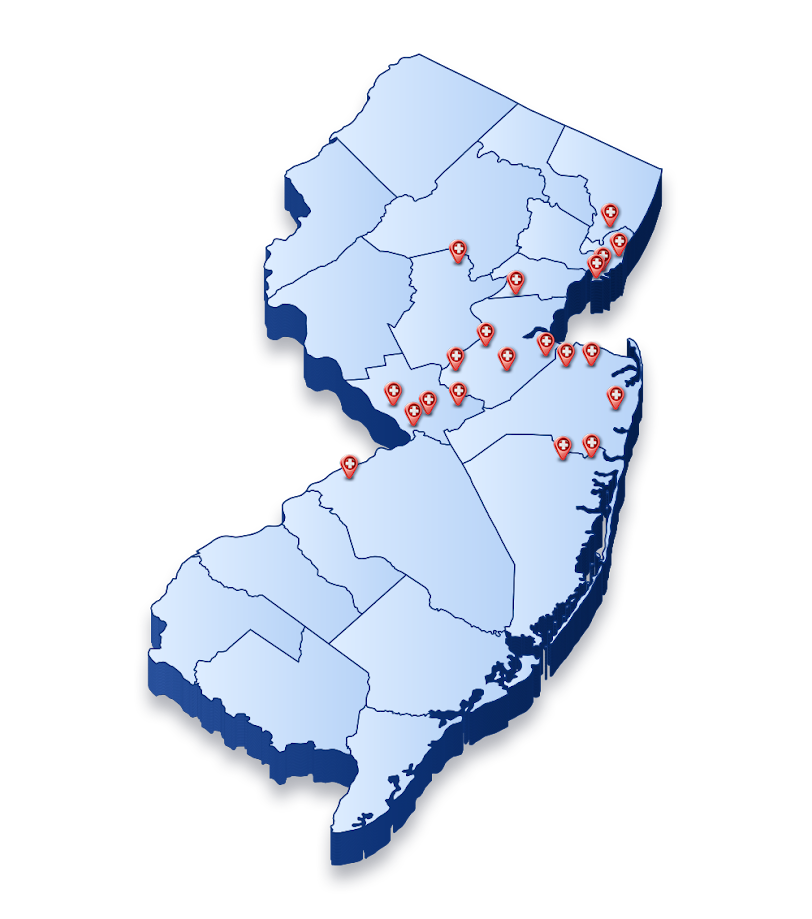
Looking for an immigration physical examination? Contact AZZ Medical Associates to find out which New Jersey clinic provides appointments with an authorized civil surgeon.
The availability of the service differs from other types of medical examinations. Make sure you know the address of the clinic, appointment times, and whether laboratory tests or vaccines can be done during a separate visit.
Call 609-890-1050 for location and scheduling information.
Most people applying to adjust status to lawful permanent resident from inside the U.S. need an immigration medical exam. They file Form I-485 for a green card, and the exam is documented on Form I-693 by a USCIS-designated civil surgeon.
Where your exam happens depends on how you’re applying:
- Adjustment of status (inside the U.S.): The exam is performed by a civil surgeon here, such as one at AZZ Medical Associates.
- Consular processing (outside the U.S.): The exam is performed by a panel physician approved by the U.S. Department of State in your home country, before your visa interview.
Some applicant categories have different or reduced requirements, and rules can change. Confirm your exact requirement with the current USCIS instructions or an immigration attorney before booking. Not sure which applies to you? Call AZZ at 609-890-1050.
The civil surgeon classifies findings under rules set by the CDC.
Class A conditions can make an applicant inadmissible until resolved or waived. These include:
- Communicable diseases of public health significance, such as active tuberculosis, untreated syphilis, gonorrhea, and infectious Hansen’s disease
- Missing required vaccinations without a valid waiver
- A physical or mental disorder associated with harmful behavior
- A substance use disorder that is not in remission
Class B conditions don’t make you inadmissible but are noted on the form. Examples include latent TB infection, treated conditions, or a substance use disorder in sustained remission.
Most findings can be treated, documented, or waived. Having a health condition rarely ends an application on its own, and the civil surgeon will explain any result that needs follow-up.
No. HIV infection was removed from the list of communicable diseases of public health significance in January 2010. Since then, HIV testing has not been part of the immigration medical exam, and an HIV diagnosis does not make you inadmissible.
If you’re living with HIV, you can still share your medical history and current medications with the civil surgeon. This helps them complete an accurate health review, especially when interpreting tuberculosis results, since HIV can affect TB testing and risk.
Your HIV status is part of your confidential medical history. It is not a factor USCIS uses to deny a green card.
You can also request HIV testing separately as part of routine primary care at AZZ. This is entirely your choice and is not linked to your immigration paperwork.
A positive IGRA blood test doesn’t automatically mean you have active TB. Many people have latent TB infection, meaning the bacteria are present but inactive and not contagious.
After a positive result, here is what usually happens:
- Chest X-ray: The civil surgeon orders a chest X-ray to look for signs of active disease.
- Normal X-ray with no symptoms: You’re typically classified with latent TB infection, a Class B condition. Your Form I-693 can usually be completed, and treatment to prevent future active TB is strongly recommended.
- Abnormal X-ray or symptoms: You’ll be referred to your local health department for sputum testing. If active TB is confirmed, it must be treated before the civil surgeon can complete your form.
Bring records of any past TB tests or treatment, since they can speed up this process.
Both infections are fully treatable, and a positive result is a temporary hurdle, not a permanent barrier.
Syphilis: If your blood test is positive, the civil surgeon will evaluate whether you need treatment based on your history and confirmatory testing. You must complete treatment according to CDC guidelines before the civil surgeon can certify your Form I-693.
Gonorrhea: A positive test is treated, usually with a single injection of antibiotics. Once treatment is complete, the form can be finalized.
Treatment may happen at AZZ or through your local health department. Either way, the civil surgeon documents it on your form.
These infections are reportable to the New Jersey Department of Health under state law. This is a standard public health process, not an immigration penalty. If you’ve been treated before, bring your records to avoid unnecessary delays.
Yes, in certain situations.
Blanket waivers are handled directly by the civil surgeon, with no separate application. They apply when a vaccine is “not medically appropriate,” such as when:
- The vaccine isn’t recommended for your age
- You have a medical contraindication, like a serious allergy or pregnancy for certain live vaccines
- Flu vaccine is out of season
- There isn’t enough time to complete a vaccine series
Waivers based on religious belief or moral conviction require filing Form I-601 with USCIS. You must show that your objection applies to vaccinations in all forms, not just one specific vaccine.
Talk with the civil surgeon about any concerns before declining a vaccine. If you’re considering a religious or moral waiver, consult an immigration attorney, since the standard of proof is strict.
No. As of January 22, 2025, USCIS no longer requires proof of COVID-19 vaccination for applicants adjusting status in the United States. The requirement had been in place since October 2021.
You can still get vaccinated if you choose, for personal health reasons, but it’s no longer part of the immigration medical exam.
The remaining required vaccines depend on your age and history. They may include measles, mumps, rubella, polio, tetanus and diphtheria, pertussis, hepatitis A and B, varicella, pneumococcal, meningococcal, Hib, rotavirus, and seasonal influenza. The flu vaccine is generally required only when the exam happens during flu season, which runs from October through March.
Vaccine requirements are updated periodically. The civil surgeon follows the CDC requirements in effect on the date of your exam.
Yes. Pregnancy doesn’t prevent you from completing the exam, but a few steps are adjusted for safety.
Vaccines: Live vaccines, such as measles, mumps, rubella (MMR) and varicella (chickenpox), are not given during pregnancy. The civil surgeon marks them as not medically appropriate, so they don’t delay your form. Other vaccines may still be given if safe.
TB screening: The IGRA blood test is safe during pregnancy. If a chest X-ray is needed, the civil surgeon follows CDC guidance on timing and abdominal shielding.
Other tests: Blood tests for syphilis, and gonorrhea testing if required, proceed normally.
Let the office know you’re pregnant when booking. Bring prenatal records and your OB’s contact information so the civil surgeon can coordinate care if any results need follow-up.
Yes. The civil surgeon is required to ask about your use of alcohol, prescription medications, and controlled substances. This assessment is part of the CDC’s technical instructions.
Answer honestly. Providing false information on immigration documents can create far more serious problems than the underlying history.
Cannabis is a special concern. Recreational cannabis is legal under New Jersey law, but it remains a controlled substance under federal law, and immigration is governed by federal rules. Cannabis use may be reviewed during the exam and in other parts of your application.
Remission matters. A substance use disorder in sustained remission is generally considered a Class B condition rather than a barrier.
If you have any history of drug use, including legal cannabis use, speak with an immigration attorney before your exam. They can help you understand how it may affect your case.
Having a mental health diagnosis, such as depression, anxiety, ADHD, or bipolar disorder, does not by itself make you inadmissible. Millions of green card holders live with mental health conditions.
Immigration rules focus on a narrower question: whether a physical or mental disorder is associated with harmful behavior. That means behavior that has posed or may pose a threat to yourself, others, or property. A history of violence, serious self-harm, or dangerous behavior tied to a condition may require further evaluation.
If needed, the civil surgeon may refer you for a psychiatric evaluation before completing your form.
Treatment and stability work in your favor. Bring records of current treatment and medications. If you’d like ongoing support, AZZ offers psychiatric care through our Mental Health Services, separate from your immigration exam.
Children who are adjusting status need an immigration medical exam too, but requirements are tailored to their age.
TB screening: The IGRA blood test is required for children 2 and older. Younger children are evaluated through history and physical exam.
Blood tests: Syphilis and gonorrhea testing generally applies only to older applicants, based on age ranges set by the CDC.
Vaccines: Children often need catch-up doses of routine childhood vaccines, such as DTaP, polio, Hib, hepatitis B, MMR, varicella, and pneumococcal, depending on age and records.
Parent or guardian: A parent or legal guardian should attend with children under 14 and sign where required.
Bring complete pediatric vaccine records, including those from other countries. Book children’s exams alongside a parent’s to save trips. Call 609-890-1050 to schedule a family exam.
Possibly not. Fiancé(e) visa holders (K-1 and K-2) who had an overseas medical exam with a panel physician may not need a full new exam. This applies when they file Form I-485 within one year of that overseas exam and no Class A condition was found.
In many of these cases, USCIS still requires the vaccination record portion of Form I-693, completed by a civil surgeon in the U.S. Vaccines often weren’t complete at the time of the overseas exam.
Rules for this situation are specific and change over time. Review current USCIS instructions or talk with an immigration attorney before scheduling.
If you do need the vaccination portion, bring your overseas medical records and vaccine documents to your AZZ appointment. The civil surgeon will review what’s complete and what’s still required.
A Request for Evidence means USCIS needs more information before deciding your case. For medical exams, an RFE might ask for:
- A new Form I-693, if yours expired or wasn’t submitted
- Missing vaccination records
- Corrections to an incomplete or improperly signed form
Act quickly. Every RFE has a response deadline, and missing it can lead to denial. Tell AZZ your deadline when you call so we can prioritize scheduling and lab results.
Bring the RFE notice to your appointment. It helps the civil surgeon address exactly what USCIS is asking for.
Keep the new envelope sealed, and follow the RFE instructions for submission.
If the RFE raises questions beyond the medical form, contact your immigration attorney. Call 609-890-1050 for a priority RFE appointment.
Your Form I-693 results go to USCIS in a sealed envelope. The civil surgeon reports only the information required by federal immigration rules, not your entire medical history.
There are a few other places your information may go:
- You: You receive a personal copy of the completed form for your records.
- Public health authorities: Certain conditions, such as tuberculosis, syphilis, and gonorrhea, must be reported to the New Jersey Department of Health under state law. This protects public health and is unrelated to immigration enforcement.
- Your care team: With your permission, results can be shared with your primary care provider for follow-up treatment.
Medical records at AZZ are protected under HIPAA. Your employer, family members, and other parties do not receive your results without your written authorization.
Yes. The immigration medical exam focuses only on requirements set by USCIS and the CDC. It isn’t a full checkup and doesn’t treat ongoing health concerns.
Many patients use their exam as a starting point for regular care in the U.S. At AZZ Medical Associates, you can:
- Establish primary care for routine physicals, chronic conditions, and preventive screenings.
- Complete latent TB treatment if your exam found latent infection.
- Catch up on vaccines beyond the immigration requirements.
- See specialists in areas like gastroenterology, rheumatology, nephrology, neurology, pulmonology, and mental health.
Because your immigration exam records are already in our system, your new provider has a head start. AZZ accepts all insurance plans, including Medicaid and NJ FamilyCare, with clinics across New Jersey. Call 609-890-1050 to schedule your first primary care visit.