Skip to content


Age alone does not determine whether someone needs geriatric-focused care. What matters more is the complexity of a person’s health, how many conditions and medications are being managed, whether mobility or cognition has changed, and how well the person is managing everyday life.
What Is Geriatric Care?
For some older adults, routine primary care continues to meet their needs. Others may benefit from a broader assessment or closer coordination when several health concerns begin to interact.
How Geriatric Care Looks at the Whole Picture
- What Matters: Understanding the older adult’s health goals, preferences, and priorities.
- Medication: Reviewing medications and considering whether they support rather than interfere with the patient’s goals, mobility, or cognition.
- Mentation: Paying attention to cognitive health, dementia, delirium, depression, and other changes in thinking or mood.
- Mobility: Supporting safe movement and helping preserve physical function.
How Health Changes Can Affect Independence and Family Life
Expert Insights
More than 1 in 4 adults age 65 and older falls each year in the United States, according to the CDC. Falling once also doubles the chance of falling again.
Falls often involve more than one contributing factor. Medication effects, strength, balance, vision, footwear, medical conditions, and hazards at home may all play a role.
Who May Benefit From Geriatric Care?
There is no fixed age at which someone automatically needs geriatric care.
- Several chronic conditions being treated at the same time
- A long or frequently changing medication list
- Falls, near-falls, dizziness, or balance problems
- New memory, attention, judgment, or personality changes
- Difficulty walking, climbing stairs, or getting out of a chair
- Unintentional weight loss or reduced appetite
- A recent hospitalization or rehabilitation stay
- Difficulty managing cooking, driving, shopping, finances, or medications
- Increasing reliance on family members or caregivers
- Several specialists whose recommendations need coordination
- Health decisions that require balancing treatment burden, safety, comfort, and independence
Signs It May Be Time to Consider Geriatric Care
Changes in later life are often practical rather than dramatic.
Families may first notice that ordinary routines have become harder, several small problems are happening at once, or recovery from illness is taking longer than expected.
Physical and Mobility Changes
- Generalized weakness
- Reduced stamina during ordinary activities
- Slower walking or shorter steps
- Difficulty rising from a chair
- Poor balance
- Reaching for furniture while walking
- Increasing difficulty using stairs
- Reduced grip strength
- Frequently dropping objects
- Unintentional weight loss
- Dizziness or lightheadedness when standing
- Falls or repeated near-falls
- A new fear of walking outdoors or in unfamiliar places
Cognitive and Mental Health Changes
Changes may include:
- Memory problems that interfere with daily routines
- Difficulty solving familiar problems
- Increasing trouble making decisions
- Confusion about recent events, time, or place
- Trouble following conversations
- Difficulty finding words
- Changes in attention or concentration
- New mood or personality changes
- Persistent low mood
- Loss of interest in usual activities
- Increased social withdrawal
- Significant sleep changes
- Sudden confusion or reduced alertness
Functional and Daily Living Changes
- Difficulty managing bills or finances
- Important mail or paperwork piling up
- Stopping cooking regularly
- Relying increasingly on convenience foods
- Missed medication doses
- Accidental duplicate medication doses
- Reduced personal grooming
- Difficulty maintaining the home
- Reduced appetite or skipped meals
- Increasing difficulty shopping
- New problems with driving
- Increasing reliance on family members
- Difficulty bathing or dressing
- Difficulty moving safely around the home
Concerned About Changes in an Older Adult's Health?
Falls, medication problems, memory changes, or increasing difficulty with daily activities are worth discussing with a healthcare provider.
Why Might an Older Adult Need More Coordinated Care?
Biological and Age-Related Changes
- Gradual loss of muscle mass and strength
- Reduced ability to recover after prolonged inactivity
- Changes in how the body processes certain medications
- Changes in kidney function that can affect drug clearance
- Declining vision or hearing
- Reduced thirst sensation
- Changes in bone density
- Changes in balance or walking ability
- Reduced physical reserve during illness or injury
Medication-Related Factors
- Taking several medications
- Duplicate therapies
- Drug-drug interactions
- Drug-disease interactions
- Sedation
- Dizziness
- Blood pressure changes
- Anticholinergic effects
- Changes in kidney function
- Over-the-counter medicines
- Vitamins and supplements
- Difficulty following complicated medication schedules
Lifestyle, Environmental, and Social Factors
- Physical inactivity
- Long periods of bed rest after illness or hospitalization
- Inadequate nutrition
- Dehydration
- Poor lighting at home
- Loose rugs or other tripping hazards
- Stairs without secure railings
- Unsupportive footwear
- Lack of an assistive device when one is needed
- Social isolation
- Bereavement
- Retirement or relocation
- Transportation difficulties
- Financial strain affecting access to food or medications
- Caregiver stress
- Pain that limits movement
Common Health Concerns Addressed in Geriatric Care
Hypertension and Heart Disease
Diabetes
Diabetes management may involve medications, nutrition, kidney health, cardiovascular risk, vision, foot care, and whether the person can safely manage the daily treatment plan.
Older adults managing diabetes, hypertension, heart disease, kidney concerns, or several other long-term conditions may also benefit from coordinated internal medicine care.
Arthritis and Osteoporosis
Pain, stiffness, mobility, bone health, physical activity, and fall risk may need to be considered together.
Chronic Kidney Disease
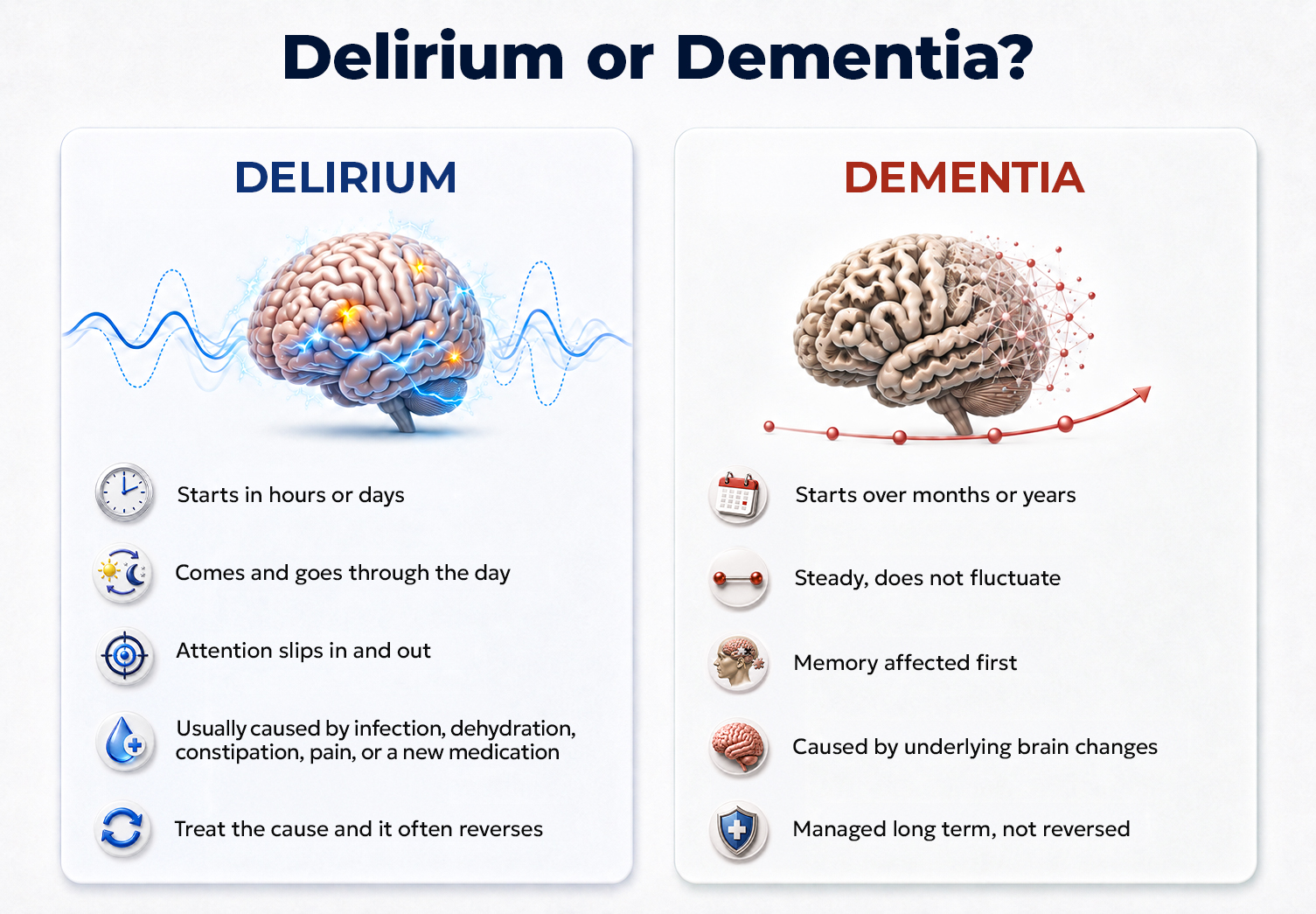
Cognitive Impairment and Dementia
- Cognition
- Daily function
- Medications
- Mood
- Medical conditions
- Changes reported by family or caregivers
Depression and Anxiety
- Sleep
- Appetite
- Motivation
- Medication adherence
- Social connection
- Concentration
- Physical activity
When depression, anxiety, sleep problems, grief, or emotional changes begin affecting daily life, appropriate mental health services may also become part of a coordinated care plan.
Falls and Balance Problems
- Medication side effects
- Reduced strength
- Poor balance
- Vision changes
- Blood pressure changes
- Footwear
- Home hazards
- Arthritis
- Neurological conditions
- Fear of falling
Urinary Symptoms and Incontinence
- Sleep
- Confidence
- Skin health
- Social activities
- Fall risk
Vision and Hearing Problems
- Communication
- Mobility
- Driving
- Medication management
- Social interaction
- Safety
Nutrition and Weight Loss
- Illness
- Medication effects
- Dental problems
- Difficulty shopping
- Difficulty preparing meals
- Depression
- Social isolation
- Financial concerns
- Other medical conditions
Sleep Problems
Poor sleep can affect mood, cognition, daytime alertness, and physical function.
Medical conditions, medications, pain, sleep apnea, or changes in routine may contribute.
Medication-Related Problems
Medication side effects, interactions, incorrect dosing, duplicate therapy, or difficulty following a complicated schedule can sometimes mimic or worsen other health concerns.
What Does a Geriatric Assessment Include?
A geriatric assessment looks beyond one symptom or diagnosis.
The exact evaluation depends on the person and clinical setting, but it may bring medical history, chronic conditions, medications, cognition, mood, mobility, nutrition, safety, daily function, support systems, and personal goals into the same discussion.
Medical History and Chronic Disease Review
- Current medical conditions
- Recent symptoms
- Previous hospitalizations
- Surgeries
- Personal and family medical history
- Current specialists
- Recent changes in health
- How several conditions affect one another
Medication Review
- Prescription medications
- Over-the-counter products
- Vitamins
- Herbal products
- Supplements
- Medication doses
- Medication schedules
- Possible side effects
- Drug interactions
- Difficulty taking medicines correctly
Cognitive Health
- Memory
- Attention
- Language
- Problem-solving
- Judgment
- Changes noticed by the patient
- Changes noticed by family or caregivers
Mental Health
- Depression
- Anxiety
- Sleep
- Grief
- Social isolation
- Motivation
- Changes in behavior
Mobility and Balance
- Walking
- Balance
- Strength
- Dizziness
- Getting in and out of a chair
- Assistive devices
- Previous falls
- Fear of falling
Activities of Daily Living
- Bathing
- Dressing
- Eating
- Toileting
- Walking
- Moving between a bed and chair
- Managing medications
- Shopping
- Cooking
- Transportation
- Housework
- Managing finances
- Keeping appointments
Changes in these tasks can provide useful information about how medical conditions affect everyday life.
Nutrition and Weight
- Appetite
- Weight changes
- Food access
- Hydration
- Ability to shop for food
- Ability to prepare meals
- Medical conditions affecting nutrition
Vision and Hearing
Social Support and Caregiver Concerns
- Who lives with the patient?
- Who helps with appointments or medications?
- Is reliable transportation available?
- Is a caregiver becoming overwhelmed?
- Are there safety concerns at home?
- Has the person’s ability to manage independently changed?
Patient Goals and Preferences
What matters most to the patient?
- Staying in their own home
- Walking safely
- Remaining independent
- Reducing medication burden
- Sleeping better
- Staying socially active
- Continuing to drive safely
- Managing pain
- Spending less time attending medical appointments
Screening Tools and Frameworks
- What Matters
- Medication
- Mentation
- Mobility
STEADI
AGS Beers Criteria
The American Geriatrics Society Beers Criteria is a clinical resource identifying medications that may warrant avoidance or additional caution in many adults age 65 and older.
Confusion Assessment Method
Depression Screening
Cognitive Screening
Medicare Annual Wellness Visits
For eligible Medicare beneficiaries, an Annual Wellness Visit focuses on preventive health planning rather than diagnosing or treating one particular illness.
The visit includes a health risk assessment and may address areas such as:
- Medical and family history
- Current medications
- Functional ability
- Safety concerns
- Cognitive concerns
- Fall risk
- Preventive recommendations
- Development or updating of a personalized prevention plan
Due for Your Annual Wellness Visit?
A preventive wellness visit can help review health risks, medications, safety concerns, and recommended preventive care.
How Geriatric Care Helps Manage Complex Health Needs
Instead of treating every issue as if it exists alone, healthcare decisions can consider how treatment affects function, safety, cognition, quality of life, treatment burden, and the patient’s own priorities.
Chronic Disease Management and Care Coordination
- Blood pressure management
- Diabetes care
- Kidney health monitoring
- Cardiovascular risk management
- Arthritis care
- Bone-health considerations
- Respiratory conditions
- Preventive screenings
- Vaccination review
- Coordination with specialists
Primary care and internal medicine can help keep recommendations from different clinicians connected when several adult health conditions are being managed at the same time.
Medication Management
- Side effects
- Duplicate therapy
- Drug interactions
- Dose concerns
- Adherence problems
- Medications that may no longer be necessary
- Treatments that no longer fit the patient’s current goals
Deprescribing
- Why the medication was originally prescribed
- Current health status
- Current treatment goals
- Benefits
- Risks
- Possible withdrawal effects
- Alternative treatments
Fall Prevention and Mobility Support
- Current medications
- Blood pressure changes
- Vision
- Footwear
- Strength
- Balance
- Walking pattern
- Previous falls
- Home hazards
- Assistive devices

Strength and Balance Activity
- Current health
- Strength
- Balance
- Medical conditions
- Fall risk
- Previous activity level
Physical Therapy
- Strength
- Balance
- Walking
- Transfers
- Endurance
- Recovery following hospitalization or injury
Occupational Therapy
- Home safety
- Daily activities
- Adaptive equipment
- Assistive devices
- Strategies for maintaining independence
Nutrition Support
- Weight trends
- Appetite
- Protein intake
- Hydration
- Ability to obtain food
- Ability to prepare meals
- Medical conditions affecting nutrition
Vitamin D
Vision and Hearing Care
- Communication
- Mobility
- Driving safety
- Medication management
- Social engagement
- Fall prevention
Preventive Care
Depending on age, medical history, health status, and individual risk, preventive care may include:
- Recommended health screenings
- Vaccinations
- Blood pressure monitoring
- Diabetes monitoring
- Bone-health assessment
- Vision and hearing care
- Mental health screening
- Fall-risk discussion
- Nutrition review
Staying current with recommended vaccinations is also an important part of preventive healthcare. Vaccination needs vary according to age, health history, previous doses, and individual risk.
Geriatric Care vs. Regular Primary Care
Geriatric care and primary care are not competing models.
Many older adults receive appropriate routine, preventive, and chronic healthcare from family medicine physicians, internal medicine clinicians, nurse practitioners, and other primary care professionals.
A geriatrician is a physician with additional training focused on healthcare needs that commonly become more complex in older adulthood. Referral to a geriatrician may be helpful when medical, cognitive, functional, or social needs become particularly complicated.
However, not every older adult needs to see a geriatrician.
Useful questions include:
- Is the medication list still appropriate?
- Has walking or balance changed?
- Are there memory or mood concerns?
- Is the person managing meals and medications safely?
- Are several specialists involved?
- Has everyday function changed?
- Is a caregiver struggling to manage the workload?
- What matters most to the patient?
When Should an Older Adult See a Healthcare Provider?
- Memory
- Attention
- Mobility
- Balance
- Appetite
- Weight
- Medication use
- Mood
- Sleep
- Continence
- Ability to manage everyday tasks
- A fall
- Repeated near-falls
- Hospitalization
- Rehabilitation
- A significant medication change
- A major illness
- A caregiver noticing ongoing changes
When to Seek Urgent Medical Care
- Sudden confusion
- Rapid decline in alertness
- Significant injury after a fall
- Severe breathing difficulty
- New one-sided weakness
- Severe or persistent chest pain
- Other severe or rapidly worsening symptoms
Call 911 when symptoms may represent a medical emergency.
Geriatric Care for Older Adults in New Jersey
- Current medical conditions
- Medication lists
- Preventive needs
- Mobility concerns
- Falls
- Memory changes
- Mood
- Nutrition
- Recent hospitalization
- Specialist recommendations
- Caregiver concerns
Caregiver Participation
With the patient’s permission, family members or caregivers can participate in appointments.
Their observations may provide useful information about:
- Medication routines
- Falls
- Driving
- Memory
- Sleep
- Nutrition
- Mood
- Daily activities
- Changes noticed at home
The older adult should remain central to healthcare decisions whenever possible.
Telehealth for Older Adults
For appropriate follow-up needs, AZZ Medical Associates offers telehealth services in New Jersey.
Telehealth may be useful for selected:
- Follow-up appointments
- Chronic-condition discussions
- Medication questions
- Behavioral health visits
- Review of certain results
Telehealth may also reduce transportation demands for some older adults or caregivers.
Not every medical concern can be evaluated remotely. Some situations require:
- A physical examination
- Vital signs
- Laboratory testing
- Imaging
- In-person mobility evaluation
- Urgent treatment
The healthcare team can help determine whether telehealth or an in-person appointment is more appropriate.
Healthcare for Older Adults at AZZ Medical Associates
AZZ Medical Associates provides primary care and other healthcare services that can support older adults with routine and complex health needs across New Jersey.
AZZ’s current Primary Care service includes Senior Care, along with chronic-condition management, preventive healthcare, integrated behavioral health, and telehealth options.
Services that may be relevant to older adults include:
- Primary Care
- Senior Care within Primary Care
- Internal Medicine
- Chronic Condition Management
- Preventive Care
- Annual Wellness Visits
- Vaccination Services
- Mental Health and Behavioral Health Services
- Telehealth
AZZ Medical Associates currently states that it serves patients through 24+ locations across New Jersey and provides both in-person and online care.
Patients can review AZZ’s healthcare providers to learn more about available clinicians, specialties, locations, and scheduling information.
Service availability, provider availability, and appointment options may vary by location. Patients looking for a particular service should confirm availability with their preferred AZZ Medical Associates clinic.
For an older adult managing several health conditions or medications, a useful first appointment may focus on:
- Current diagnoses
- Complete medication list
- Recent hospital or emergency visits
- Current specialists
- Falls or mobility changes
- Memory concerns
- Changes in appetite or weight
- Mood or sleep concerns
- Preventive-care needs
- Personal healthcare goals
The healthcare team can then determine which services, follow-up, testing, or referrals may be appropriate.
Looking for Healthcare for an Older Adult in New Jersey?
AZZ Medical Associates provides primary care, preventive services, chronic-condition management, Annual Wellness Visits, and other healthcare services across New Jersey.
How to Prepare for an Appointment
A little preparation can make an older adult’s medical visit more useful.
Consider bringing:
- A complete list of prescription medications
- Medication doses and schedules
- Over-the-counter medicines
- Vitamins and supplements
- Names of current specialists
- Recent hospital or rehabilitation information
- Relevant test results when available
- Notes about recent falls
- Information about dizziness
- Memory or behavior changes
- Appetite or weight changes
- Sleep concerns
- Questions about possible medication side effects
- Insurance information
It can also help to write down tasks that have recently become more difficult, such as:
- Cooking
- Shopping
- Driving
- Bathing
- Walking
- Managing medications
- Paying bills
- Keeping appointments
If the patient wants a family member or caregiver involved, that person may attend and share observations from home.
Lifestyle & Preventive Approaches
Medical treatment is only one part of healthy aging.
Depending on a person’s abilities and healthcare needs, helpful habits may include:
- Regular physical activity at an appropriate level
- Strength and balance activity when safe
- Adequate nutrition
- Adequate protein
- Consistent hydration
- Supportive, well-fitting footwear
- Removing loose rugs and other home hazards
- Improving home lighting
- Installing secure railings or grab bars when appropriate
- Staying socially connected
- Maintaining regular routines
- Keeping recommended vaccinations current
- Regular vision checks
- Regular hearing checks
- Attending preventive appointments
- Discussing changes in memory, mood, mobility, or function early
Recommendations should be individualized, particularly when an older adult has significant medical conditions, mobility limitations, or a history of falls.
Takeaway
Geriatric care is not a diagnosis, and aging itself is not a disease.
It is a way of organizing healthcare around the realities that can make later-life care more complex: multiple medical conditions, medications, changes in mobility or cognition, daily function, caregiver needs, and personal goals.
The most useful care looks for connections.
A fall may involve several contributing factors. A memory concern may require medication, mood, and medical review before conclusions are drawn. A long medication list may be appropriate, but it should still be reviewed carefully.
Identifying changes early and coordinating care around what matters to the older adult can help patients and families make better-informed decisions about health, safety, function, and independence.
FAQs About Geriatric Care
What is geriatric care?
Geriatric care is healthcare that pays particular attention to the medical, functional, cognitive, emotional, and social needs that may become more important as people age.
It considers how medical conditions, medications, mobility, everyday activities, support systems, and patient goals interact rather than treating each concern in isolation.
At what age should someone consider geriatric care?
There is no fixed age.
Health complexity and function are generally more useful indicators than a birthday. Multiple chronic conditions, several medications, falls, cognitive changes, recent hospitalization, or difficulty with everyday activities may be reasons to consider a more coordinated approach.
What conditions are commonly addressed in geriatric care?
Geriatric-focused care may address concerns such as hypertension, diabetes, heart disease, arthritis, osteoporosis, chronic kidney disease, falls, cognitive impairment, dementia, depression, anxiety, urinary problems, sleep concerns, nutrition issues, vision or hearing changes, and medication-related problems.
Not every older adult has these conditions.
What happens during a geriatric assessment?
A geriatric assessment may review medical history, chronic conditions, medications, cognition, mood, mobility, balance, fall risk, everyday activities, nutrition, vision, hearing, social support, caregiver concerns, and the patient's healthcare goals.
The exact assessment depends on the person's needs and clinical setting.
What is the difference between geriatric care and primary care?
Primary care can provide much of the routine, preventive, and chronic healthcare older adults need.
Geriatric care places additional emphasis on interacting medical conditions, medication burden, cognition, mobility, daily function, caregiver needs, and patient priorities.
Not every older adult needs to see a geriatrician. Family medicine physicians, internists, nurse practitioners, and other clinicians may also provide appropriate healthcare for older adults.
When should an older adult seek additional medical support?
Consider scheduling an evaluation after falls, new memory or personality changes, medication problems, reduced mobility, unexplained weight loss, decline following hospitalization, or increasing difficulty managing everyday tasks.
Sudden confusion or other severe new symptoms should be evaluated promptly.
Can family members or caregivers participate in appointments?
Yes, when the patient gives permission.
Caregivers can provide useful information about medications, falls, driving, memory, nutrition, sleep, mood, and everyday function.
Their observations may help the healthcare provider understand changes that are difficult to see during a clinic visit.
Can medications cause memory or confusion problems in older adults?
Some medications can contribute to sedation, dizziness, confusion, or cognitive symptoms, particularly when several medicines are being taken together.
However, memory or thinking changes can have many possible causes. A healthcare provider should evaluate new symptoms rather than assuming a medication is responsible.
Patients should not stop prescription medications on their own.
Does Medicare cover geriatric care?
Medicare does not have one blanket benefit called "geriatric care" that automatically makes every related service covered.
Coverage depends on the particular service, provider, medical necessity, and the individual's Medicare coverage.
Eligible beneficiaries may receive an Annual Wellness Visit according to Medicare requirements. Other services provided during the same appointment may have separate coverage or cost-sharing.
Patients should verify their individual benefits before scheduling.
Can older adults receive follow-up care through telehealth in New Jersey?
Some follow-up care may be appropriate through telehealth, including selected chronic-condition discussions, medication questions, primary care follow-up, and behavioral health visits.
Whether telehealth is appropriate depends on the clinical concern. Some evaluations require an in-person examination, testing, or urgent medical care.
How should an older adult prepare for a medical appointment if they take several medications?
Bring an updated list of every prescription medication, over-the-counter medicine, vitamin, and supplement, including doses and schedules.
Also note any recent dizziness, falls, confusion, side effects, missed doses, or difficulty following the medication schedule.
Bringing the names of current specialists and information about recent hospitalizations can also help the healthcare provider understand the complete picture.