

PRP for Joints: What a Rheumatologist Wants You to Know

Home - Rheumatology - PRP for Joints: What a Rheumatologist Wants You to Know

Medically Reviewed By:

Written By:

Updated on:

If you live with joint pain long enough, you start hearing the same phrases over and over: “Try rest,” “Try physical therapy,” “Try another injection.” PRP for joints has become part of that conversation because it uses something from your own body—your platelets—to support healing signals in a targeted area. In rheumatology, the goal is simple: confirm what’s driving the pain, then choose a plan that fits the joint, the tissue involved, and your overall health.
At AZZ Medical Associates, PRP is approached the way a rheumatology visit should be approached: identify the diagnosis first, then match the treatment to the problem. Joint pain from osteoarthritis is not the same as inflammatory arthritis. A tendon injury is not the same as cartilage wear. PRP joint injections are one tool, useful in the right scenario, disappointing in the wrong one.

What PRP Is & What It Isn’t

Platelet-rich plasma (PRP) is made from your own blood. Blood has a liquid portion (plasma) and cell components, including platelets. Platelets are known for clotting, but they also carry growth factors, proteins that act like “repair signals,” helping coordinate tissue recovery and regeneration in the treated area.
To create PRP, a clinician draws a small amount of blood and spins it in a centrifuge. Spinning separates the blood into layers and concentrates platelets into a smaller plasma volume. That concentrated PRP is then used as the injectate.
What PRP isn’t: it’s not a painkiller. It’s not a steroid. It doesn’t “erase” arthritis. Think of it more like a way to increase local healing signals in and around joints, tendons, and ligaments, with the hope of improving pain, stiffness, and function over time.
One important reality: PRP protocols vary. The amount of blood drawn, the spin method, whether the PRP contains more or fewer white cells, and the final platelet concentration can differ; this helps explain why results can be inconsistent across clinics and studies.

How PRP Joint Injections May Help

The exact mechanism is still being studied, but here’s what’s consistently described:
  • PRP delivers a higher-than-normal concentration of platelets to a target area.
  • Platelets release growth factors that may support tissue repair, local cell activity, and the healing environment.
  • In joint conditions such as osteoarthritis, early research suggests PRP may help by modulating inflammation inside the joint and improving the “joint environment,” which can translate into less pain and better movement for some patients.
Rheumatology matters here because PRP works best when the diagnosis is accurate. If knee pain is actually referred pain from the hip or spine, or swelling is caused by gout or inflammatory arthritis, the “best medicine for joint pain” is not PRP, it’s treating the underlying condition.

What’s Inside PRP & Why Clinicians Use It

PRP Component

Why it matters

What patients usually notice

Plasma (liquid portion)

Carries platelets and proteins to the target area

A “delivery medium,” not a painkiller

Platelets

Release growth factors involved in healing signals

Results tend to be gradual, not instant

Growth factors (examples: PDGF, TGF, VEGF, EGF, IGF)

Can signal cell activity, tissue recovery, and blood vessel support

Improvement often takes weeks

Where PRP is Commonly Used In Musculoskeletal Care

PRP injections for joint pain show up most often in:

PRP for Knee Joint Pain (and osteoarthritis)

“Knee PRP” is one of the most discussed uses. Some patients pursue PRP for knee joints when they want an option that isn’t a steroid and may support longer-term tissue response. Outcomes vary, but when it helps, people often report better function, stairs, walking distance, and less daily aching.

Elbow Pain: Tendons & “Joints at The Elbow.”

Elbow pain isn’t always “the elbow joint” itself. The parts of the elbow joint work closely with the surrounding tendons. PRP is often discussed for chronic tendon pain around the elbow (commonly known as tennis elbow). A rheumatology evaluation helps separate tendon-driven pain from true joint inflammation.

Ankle Pain: The Ankle Joint & Ligaments

In the ankle, pain may come from cartilage wear, ligament injury, or tendon overload. PRP is sometimes considered in stubborn cases involving the ankle joint and ligaments, especially when the problem is more “soft tissue” than advanced joint destruction.

What to Expect During a PRP Joint Injection Visit

At AZZ Medical Associates, a PRP visit should start before the injection, because selection is half the result.
  1. Assessment first
    History, exam, and review of imaging when appropriate. Rheumatology focuses on confirming whether pain is mechanical (like osteoarthritis) or inflammatory (like rheumatoid arthritis, gout, or other autoimmune disease patterns).
  2. Blood draw
    The draw volume depends on the system used. Clinics commonly draw a small tube or several tubes.
  3. Centrifuge processing
    The blood is spun to concentrate the platelets into PRP.
  4. Injection into the target area
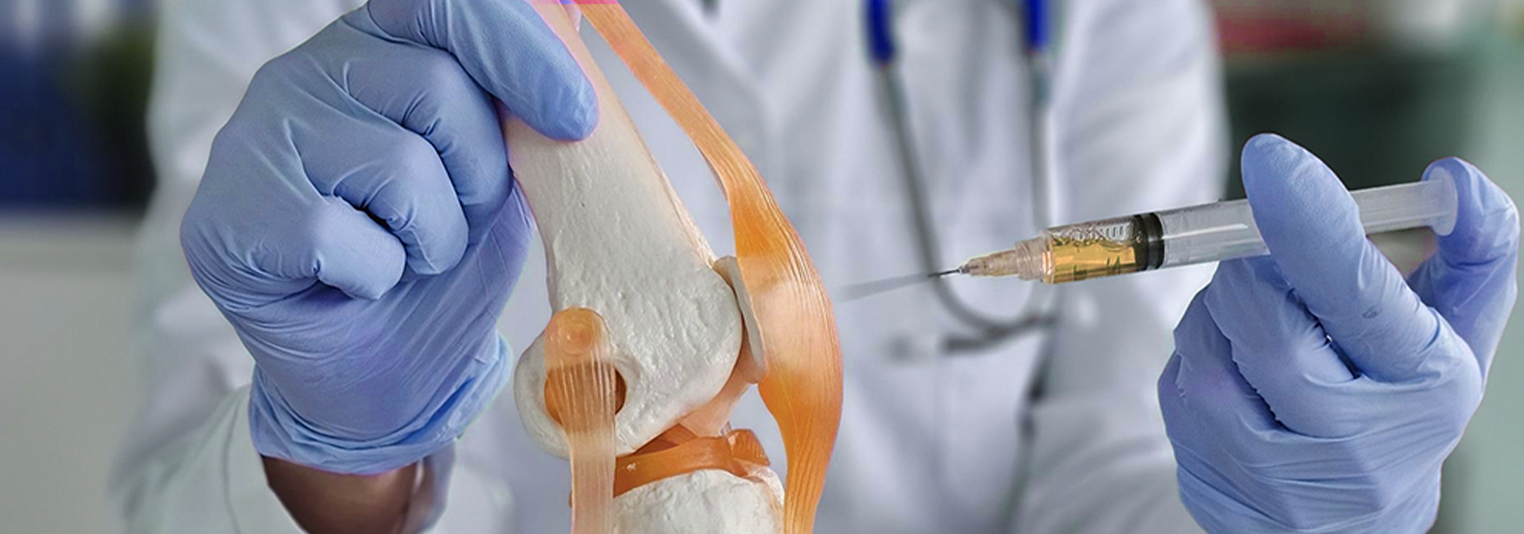
    A platelet-rich plasma joint injection may be delivered with ultrasound guidance, depending on the joint and the clinician’s preference. Ultrasound can improve accuracy, especially in smaller joints or deeper structures.
  5. Aftercare
    Mild soreness is common. Many protocols advise avoiding anti-inflammatory medications around the procedure window because they may interfere with the inflammatory-healing signaling PRP is trying to promote. Your clinician should give clear, personalized instructions.

Expert Insights

Rheumatology-first: PRP fails most often when diagnosis is wrong

A rheumatologist looks for the “why” behind pain, osteoarthritis wear, tendon overload, gout/pseudogout, autoimmune inflammation, or referred pain from hip/spine.

If the joint is truly inflamed (warmth, swelling, prolonged morning stiffness), treating inflammation and ruling out crystal disease may matter more than any injection.

At AZZ Medical Associates, use PRP only after the condition and target tissue are confirmed.

PRP Injection Vs Other Common Rheumatology Procedures

Procedure Main purpose What it does
PRP joint injection Support healing signals, reduce pain in select cases Injects your own concentrated platelets into/around a joint
Corticosteroid injection Fast inflammation relief Can reduce swelling quickly, but doesn’t “regrow” tissue
Knee joint aspiration Diagnose or relieve fluid buildup Removes joint fluid; sometimes paired with other treatments
Physical therapy Restore strength and mechanics Improves movement patterns and reduces overload on joints
Note: “Knee joint aspiration technique” is a different clinical procedure from PRP injection. Aspiration is about fluid removal; PRP is about delivering concentrated platelets.

When Results Show Up, & How Long They Last

PRP isn’t a same-day fix. For joint injections, improvement is often most noticeable after several weeks. And it’s not permanent; some people need repeat treatments depending on response, activity level, and the condition being treated.
That timeline is one reason rheumatology follow-up matters. If your pain pattern changes or if swelling persists, your clinician needs to reassess the diagnosis, not just repeat injections.

Side Effects, Risks, & Who Should Avoid PRP

PRP is generally considered low-risk because it uses your own tissues. The most common issues are local and temporary:
  • Soreness, tenderness, & bruising at the injection site
  • Occasionally, swelling or short-lived discomfort
Less common but important risks exist with any injection: bleeding, infection, tissue or nerve irritation. These risks are lowered when procedures are performed with sterile technique and appropriate patient selection.
PRP may not be appropriate for people with certain blood or platelet disorders, active infection, severe systemic illness, or specific cancers. This is why medical screening matters.

Expert Insights

How to get more value from PRP: treat the joint like a rehab project

PRP isn’t a standalone fix. Outcomes improve when you pair it with:
(1) A progressive strengthening plan for surrounding muscles.

(2) Load management for 2–4 weeks (no “stress-test” workouts).

(3) Mechanics correction (gait, footwear, training errors).

Ask for a simple function metric (stairs, walking time, pain diary) so you measure progress, not just “how it feels today.”

AZZ Medical Associates can help structure this so PRP supports real-life function.

Table 3: Candidate Checklist for PRP for Joints

Often a better fit Often not a fit (or needs specialist clearance)
Early-to-moderate joint pain with a clear target Active infection or fever
Tendon/ligament pain that hasn’t improved with basics Platelet disorders / very low platelet count
Patients who want a non-steroid option Sepsis, uncontrolled systemic illness
Those who can follow aftercare guidance Certain cancers or major contraindications based on history

PRP Injection for Hair Loss & Joints: The Connection & the Difference

Patients sometimes ask about PRP injection for hair loss and joints because the concept is the same: platelets deliver growth factors, but the target tissue and protocols differ.
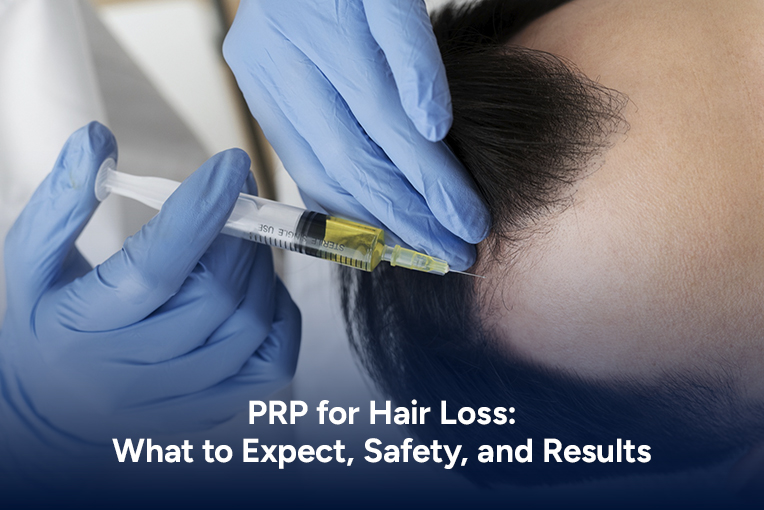
In a placebo-controlled half-scalp study in men with pattern hair loss, a short series of PRP sessions (spaced about a month apart) was associated with increases in hair counts and density over baseline, with some individuals needing retreatment later in follow-up.
That doesn’t automatically translate to joints, but it does show why PRP is viewed as a “regenerative” approach across different tissues: platelets can influence local repair signals.

Quick table: A clinical Hair PRP Study Snapshot

Study setup Treatment pattern What was observed
PRP on half scalp vs placebo on the other half 3 sessions about 30 days apart Hair count and density improved after treatment; a minority needed retreatment later

Common Questions

Do PRP injections for joint pain work for everyone?

No. Some people improve meaningfully; others notice little change. Protocol differences, the exact diagnosis, and the severity of tissue damage all influence results.

What’s the best pain reliever for knee joint pain after PRP?

There isn’t one “best” option for everyone. Many clinicians prefer avoiding anti-inflammatory drugs around PRP because they may interfere with the intended healing response. Your rheumatology team can suggest safer short-term options based on your history.

Is PRP “joint rejuvenation therapy”?

That phrase is often used in marketing. PRP may support a healthier local environment and reduce pain in select cases, but it doesn’t reverse advanced arthritis or replace cartilage as a new joint would.

Next steps

If you’re considering PRP for joints, start with the part many clinics rush: the diagnosis. A focused rheumatology evaluation can tell you whether your pain is coming from the joint, the tendon/ligament system around it, or an inflammatory condition that needs a different plan.
You can explore Rheumatology Services (internal link) and Platelet-Rich Plasma (PRP) Therapy (internal link) to see how PRP fits into a broader, evidence-informed treatment approach at AZZ Medical Associates. If PRP is appropriate, AZZ Medical Associates will also walk you through realistic timelines, expected outcomes, and aftercare, so you’re not guessing what “success” should look like.

Search

Categories

Book an Appointment

Your healthcare starts with the right doctor. If your health raises a question, we’re here to help.
Table of Contents

Related Posts

David M Bresch, MD

Psychiatrist

Dr. David M. Bresch, MD, is a board-certified Psychiatrist and a member of the American Psychiatric Association, bringing extensive experience to the field.
This includes a notable tenure of over 18 years as Medical Director and Chairman at St Francis Medical Center.

Abdulrahman Virk

Senior Content Editor

Abdulrahman Virk is a medical writer and editor with 7+ years of experience creating evidence-based healthcare content. He has collaborated with international Medical organizations, including GE Health, Teladoc Health, and more. Producing clear, accurate, and patient-focused materials.