Skip to content
Colonoscopy Services in New Jersey
A colonoscopy allows a gastroenterologist to examine the lining of your colon and rectum for polyps, inflammation, bleeding, abnormal tissue, and other changes. It is commonly used for colorectal cancer screening and to investigate ongoing digestive symptoms.
AZZ Medical Associates provides colonoscopy care in New Jersey for preventive screening and diagnostic evaluation. Our gastroenterology team reviews your symptoms, medical history, family history, previous test results, and screening history to determine whether a colonoscopy is appropriate for you.


When Is a Colonoscopy Recommended?
A colonoscopy may be recommended for routine colorectal cancer screening or to investigate symptoms and abnormal test results. For adults at average risk, colorectal cancer screening generally begins at age 45. People with certain personal or family risk factors may need to begin screening earlier or be screened more often.
Your gastroenterologist may recommend a colonoscopy if you have:
- Rectal bleeding or blood in your stool
- Persistent changes in bowel habits
- Ongoing diarrhea or constipation
- Unexplained abdominal pain or discomfort
- A history of colon or rectal polyps
- A family history of colorectal cancer
- An abnormal stool-based screening test
- Inflammatory bowel disease
- Previous abnormal colon findings
- A need for follow-up after an earlier colonoscop
If you are unsure whether you are due for screening, an AZZ Medical Associates gastroenterology provider can review your history and discuss the appropriate next step.
Screening vs. Diagnostic Colonoscopy
Screening Colonoscopy
A screening colonoscopy is performed as preventive care, usually when you do not have symptoms. It allows your gastroenterologist to examine the colon for polyps and other changes that may be associated with colorectal cancer risk.
For many average-risk adults with a normal colonoscopy, screening is generally repeated every 10 years. Your recommended interval may be different if you have a personal or family history, previous polyps, or other factors that increase your colorectal cancer risk.
Diagnostic Colonoscopy
A diagnostic colonoscopy is used to investigate symptoms or abnormal test results. It may be recommended for rectal bleeding, bowel changes, abdominal symptoms, or previous polyps.
Insurance coverage and patient costs may differ depending on whether the procedure is considered screening or diagnostic. Our team can help explain referral or authorization requirements, but you should confirm your specific benefits and coverage directly with your insurance plan.
What Can a Colonoscopy Detect?
A colonoscopy provides a direct view of the lining of the colon and rectum. This allows your gastroenterologist to identify changes that may explain symptoms or require further evaluation.
A colonoscopy may help detect:
- Colon and rectal polyps
- Inflamed or irritated tissue
- Sources of gastrointestinal bleeding
- Abnormal tissue or growths
- Changes associated with inflammatory bowel disease
- Diverticular disease
- Possible causes of persistent bowel symptoms
- Precancerous changes
- Findings that require further testing
If an abnormal area is found, your gastroenterologist may take a small tissue sample, called a biopsy, for laboratory analysis. Certain polyps may also be removed during the colonoscopy and sent to a pathology laboratory for evaluation. NIDDK and ASGE both describe biopsy and polyp removal as procedures that may be performed during colonoscopy.
Finding a polyp does not mean you have cancer. Many polyps are noncancerous, although certain types can develop into cancer over time.

What to Expect Before Your Colonoscopy
Proper preparation helps your gastroenterologist clearly examine the colon. Before your procedure, your care team will provide specific bowel-preparation instructions.
You may need to:
- Follow dietary instructions
- Switch to approved clear liquids
- Take bowel-preparation medication
- Review medications and supplements
- Discuss blood thinners or diabetes medications
- Arrange transportation home if sedation is used
Follow the instructions provided for your procedure, and do not stop prescription medications unless your healthcare provider tells you to.

What Happens During a Colonoscopy?
Sedation or anesthesia is commonly used to help keep you comfortable during the procedure. Once you are positioned, a gastroenterologist carefully guides a thin, flexible colonoscope through the rectum and into the colon. A small camera at the end allows the lining of the large intestine to be examined closely.
During the colonoscopy, your gastroenterologist may:
- Examine the colon and rectal lining
- Identify polyps or abnormal tissue
- Remove certain polyps
- Take a tissue biopsy
- Evaluate areas of inflammation
- Look for possible sources of bleeding
Polyps or tissue samples removed during the procedure may be sent to a pathology laboratory for further evaluation.
What is done during your colonoscopy will depend on the reason for the procedure and what your gastroenterologist finds.

What Happens After a Colonoscopy?
After your colonoscopy, you will rest in a recovery area while sedation or anesthesia wears off. Mild bloating, gas, or cramping may occur temporarily.
Your gastroenterologist may discuss initial findings before you leave. If a polyp or biopsy was taken, final results may require pathology testing.
Before going home, you may receive instructions about:
- Eating and drinking
- Resuming medications
- Returning to normal activities
- Symptoms that need medical attention
- Follow-up or pathology results
If sedation was used, arrange for a responsible adult to drive you home.
Gastroenterology Providers

William Lou, MD
Gastroenterologist,
Internal Medicine

Bhanwarlal Chowdhury, MD
Gastroenterologist,
Internal Medicine

Why Choose AZZ Medical Associates for Colonoscopy Care?
A colonoscopy involves more than the procedure itself. Patients may have questions about screening, preparation, insurance, results, and follow-up. Our gastroenterology team helps coordinate these steps so you know what to expect before and after your colonoscopy.
Patients choose AZZ Medical Associates for:
- Gastroenterology evaluation and follow-up
- Colorectal cancer screening
- Diagnostic evaluation of digestive symptoms
- Colon polyp evaluation and follow-up
- Clear bowel-preparation instructions
- Biopsy and pathology coordination when needed
- Screening recommendations based on individual risk
- In-person gastroenterology consultations
- Telehealth for appropriate consultations and follow-up visits
- Same-day appointments when available
- Major insurance plans, including Medicare and Medicaid
Your care plan is based on your symptoms, medical history, previous findings, screening history, and individual risk factors.
Ready to Schedule Your Colonoscopy?
If you’re due for colorectal cancer screening or need evaluation for digestive symptoms, our gastroenterology team can help you take the next step.
Schedule your colonoscopy with AZZ Medical Associates and get guidance on preparation, insurance requirements, and follow-up care.
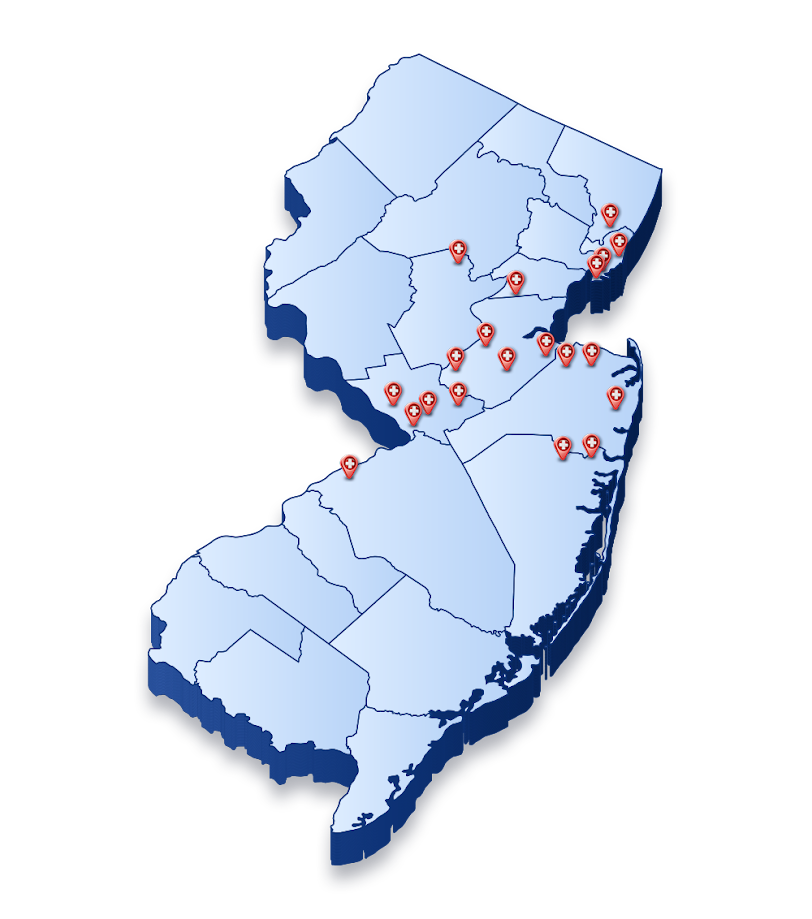
Colonoscopy Care in New Jersey
AZZ Medical Associates provides gastroenterology care in New Jersey for colorectal cancer screening, digestive symptoms, and follow-up after previous colon findings.
Your gastroenterology visit may include a review of:
- Digestive symptoms
- Personal and family history
- Previous colonoscopy results
- Prior polyps or biopsies
- Current medications
- Colorectal cancer risk factors
- Insurance or referral requirements
If a colonoscopy is recommended, our team helps coordinate scheduling, preparation, and follow-up based on your care needs.

FAQs About Gastroenterology Services
At what age should I get my first colonoscopy?
For adults at average risk, colorectal cancer screening generally begins at age 45. Some patients may need earlier screening because of family history, previous polyps, inflammatory bowel disease, hereditary conditions, or other risk factors.
How often should I have a colonoscopy?
For many average-risk adults with a normal screening colonoscopy, an interval of about 10 years may be appropriate. Your gastroenterologist may recommend a shorter interval if polyps are found or if you have additional risk factors.
Is a colonoscopy only used to detect cancer?
No. Colonoscopy can also help evaluate rectal bleeding, changes in bowel habits, inflammation, abdominal symptoms, previous polyps, and other conditions affecting the colon and rectum.
What is the difference between a screening and diagnostic colonoscopy?
A screening colonoscopy is usually performed as preventive care when you do not have concerning symptoms. A diagnostic colonoscopy is performed to investigate symptoms, abnormal test results, or previous findings.
Will I be awake during a colonoscopy?
Sedation or anesthesia is commonly used during colonoscopy. Your procedure team will explain the type of sedation planned and what you should expect.
How do I prepare for a colonoscopy?
Preparation commonly includes dietary instructions, clear liquids, and bowel-cleansing medication. Always follow the preparation plan provided by your healthcare team.
What happens if a polyp is found?
Certain polyps can be removed during colonoscopy and sent to a pathology laboratory for analysis. Your follow-up schedule will depend on the number, size, type, and pathology of any polyps found.
Can a biopsy be taken during a colonoscopy?
Yes. If your gastroenterologist sees tissue that needs further evaluation, a small sample may be taken during the procedure and sent for laboratory analysis.
Can I drive myself home after a colonoscopy?
If you receive sedation or anesthesia, you generally should not drive yourself home. Arrange for a responsible adult to take you home after the procedure.
Do I need a referral for a colonoscopy?
It depends on your insurance plan and the reason for the procedure. Some patients can schedule directly, while others may need a referral or prior authorization.
Does insurance cover a colonoscopy?
Many insurance plans cover colorectal cancer screening, but coverage varies. Your costs may depend on whether the procedure is considered screening or diagnostic and on your specific insurance benefits.
Can I schedule a colonoscopy even if I have no symptoms?
Yes. Colorectal cancer screening is intended for people who may feel completely well. If you are due for screening, speak with an AZZ Medical Associates gastroenterology provider about whether colonoscopy is the right option for you.