
When to See a Primary Care Doctor and Why Its Important

Medically Reviewed by:
When to See a Primary Care Doctor & Why Regular Checkups Matter
When you get sick, the first thing you do is visit your primary care doctor. They understand your medical history and help you manage and treat ongoing symptoms. But the question is, when should you see a primary care doctor?
The answer depends on the condition you are struggling with and the severity of its symptoms.
Primary care providers, whether a family medicine physician, an internal medicine doctor, a nurse practitioner, or a physician assistant, manage a wide range of health concerns. They specialize in providing routine checkups to evaluate, diagnose, prevent, and manage chronic diseases and refer you to specialists when necessary. For New Jersey residents, having an established local PCP means faster answers when something feels off and steadier management of long-term conditions over time.
In this read, we will help you understand why preventive care and regular checkups are important and when you should see a primary care doctor.

When Should You See a Primary Care Doctor?

Knowing when you should schedule a primary care visit is important to maintain a healthy lifestyle. Here are the most important signs and situations that a primary care doctor treats and manages:

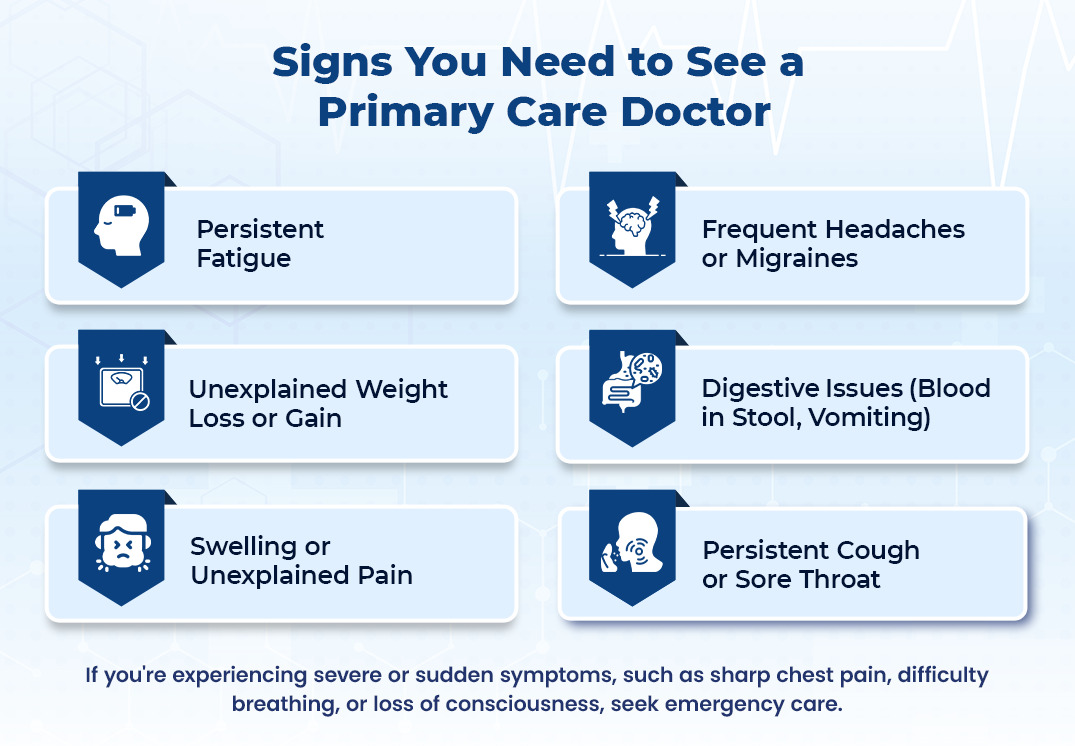
1. Symptoms That You Should Not Ignore

Some symptoms, like a fever or cough, seem minor at first, but if left untreated, they can turn into serious health concerns. It’s important to schedule a visit with your primary care provider (PCP) if you are experiencing one of these symptoms.
  • Persistent fatigue
  • Unexplained weight loss or gain
  • Frequent headaches or migraines
  • Rashes
  • New moles
  • Swelling
  • Urinary problems
  • Shortness of breath during light activity
  • Digestive problems
  • Back pain
  • Blood in the stool
  • Difficulty swallowing food
  • Vomiting that lasts more than three days
  • Fever
  • Persistent cough
  • Diarrhea or constipation

2.Recurring or Persistent Symptoms That Need Proper Attention

When symptoms return or don’t go away after a few days, that’s usually a sign the problem is getting worse. If you are experiencing these symptoms, you should talk to your PCP.
  • A cough lasting more than two weeks
  • Recurring respiratory infections
  • Chronic headaches
  • Constant stomach pain
  • Nausea that continues for days
  • Ongoing back or joint pain
  • Breathing issues
  • Repeated episodes of dizziness or fainting
  • Chronic heartburn
  • Frequent sinus infections

3. Sudden or New Symptoms That Need Professional Evaluation

Health issues that arise suddenly, like a sharp headache or sudden difficulty breathing, are warning signs of something more serious. If you notice any of these symptoms, you must consult with your primary care provider (PCP) immediately.
  • Change in thinking or memory
  • Vision problems or double vision
  • Sudden confusion about surroundings
  • Severe headache that comes on suddenly
  • Sudden breathing difficulties, especially at rest
  • Red streak on skin appearing unexpectedly
  • Blood in vomit
    Severe chest pain
  • Unexplained numbness
  • Tingling or weakness in body
  • Persistent night sweats
  • Severe abdominal pain

How PCP Can Help Manage Chronic Conditions

The symptoms of some chronic conditions, like diabetes, high blood pressure, asthma, high cholesterol, or heart disease, may disappear for a short period of time, but they can return. Consistent chronic disease management with a primary care provider helps keep these conditions stable and lowers the risk of complications.

Your PCP will:
  • Monitor the severity of your symptoms
  • Order and review routine lab work (such as A1C, blood pressure logs, and cholesterol panels)
  • Update your treatment plan
  • Adjust medication dosage and frequency
  • Refer you to a specialist, such as cardiology, endocrinology, or pulmonology, when it is necessary

When You Should Seek Immediate Care or Emergency Care

For any healthcare issue, it’s important to understand whether it needs immediate treatment or just a regular primary care visit. Your primary care provider helps you manage routine issues like the flu, but if you’re experiencing any of the symptoms listed below, consider going straight to the nearest New Jersey emergency room or calling 911.
  • Heart attack symptoms
  • Seizure
  • Stroke
  • Severe injuries or deep cuts
  • Uncontrollable bleeding
  • Loss of consciousness
  • Severe burns
  • Overdose or poisoning
  • Severe allergic reaction (anaphylaxis)
  • Mental health crisis, like harm to oneself or others
For a mental health crisis in New Jersey, you can also call or text 988 to reach the Suicide and Crisis Lifeline at any time, and for a suspected poisoning, call Poison Control at 1-800-222-1222.

Why Regular Preventive Care Checkups Are Important

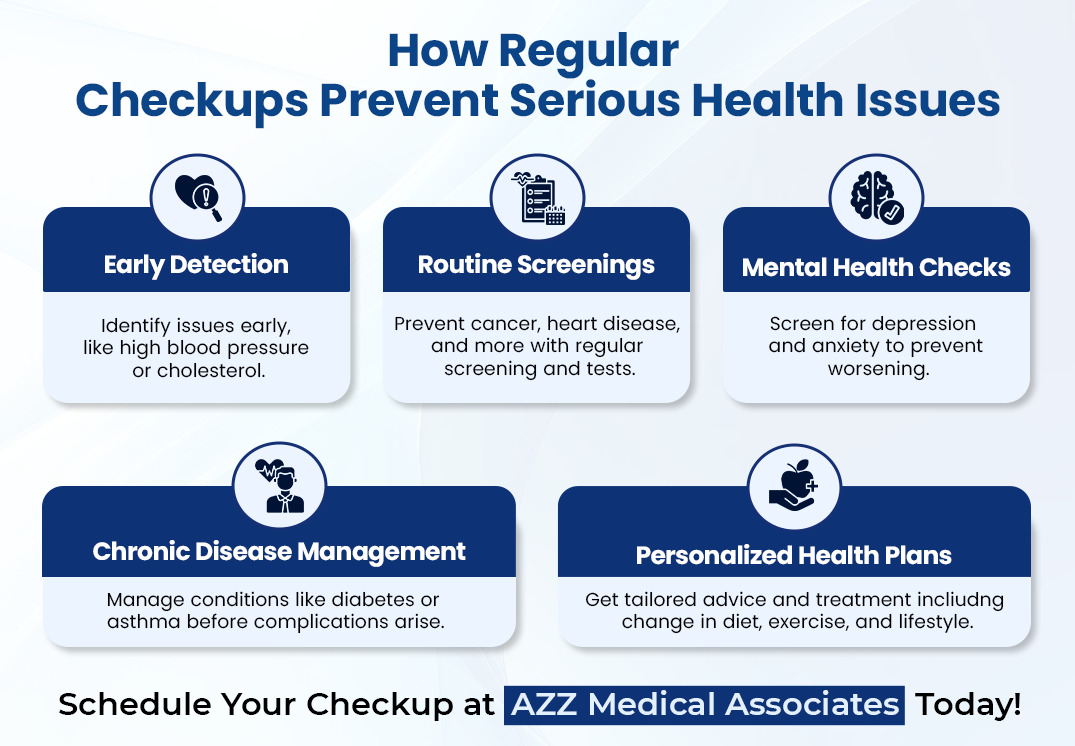
But PCP isn’t just for treatment of everyday healthcare; it is also used to prevent incoming disease and manage long-term chronic diseases. Even if you’re feeling healthy, having regular checkups with your PCP is the most practical way to take care of your long-term wellness.

Early Detection of Health Issues

Some common and chronic healthcare issues, especially hypertension and chronic kidney disease (known as the silent killer), need regular checkups because they develop silently without obvious symptoms. Your PCP can evaluate these conditions early and provide a care plan with follow-up to help you manage the symptoms before they become serious problems.

Routine Screenings and Vaccinations

Regular visits are also when your PCP keeps you current on age-based preventive screenings and immunizations. Depending on your age and risk factors, this may include blood pressure and cholesterol checks, blood sugar and diabetes screening, colorectal cancer screening, mammograms, cervical cancer (Pap) testing, bone density checks, and vaccines such as the annual flu shot, COVID-19, tetanus, and shingles. Staying on schedule is one of the simplest ways New Jersey families protect long-term health.

Customized Health Advice

If you’re struggling with any of the chronic or long-term conditions, your PCP can provide a personalized treatment plan with lifestyle changes like improving your diet, sleep schedule, physical activity, and stress management so you can manage these symptoms sooner and live a healthy life.

How Often Should You Visit Your Primary Care Doctor?

There’s no universal rule for how often you should visit your PCP. It depends on your age and overall health (whether you are seeing a change in symptoms in your current condition or experiencing new symptoms or more). Here’s a basic guideline for how often you should visit your PCP:
  • If you’re under 50 and generally healthy, then have a check-up every 2-3 years.
  • If you’re over 50, an annual preventive checkup is recommended.
  • If you’re struggling with a chronic condition, you might need frequent visits. Your doctor will let you know.
Keep in mind that many New Jersey insurance plans, including Medicare, NJ FamilyCare, and most commercial plans, cover an annual wellness visit at no extra cost, so a yearly checkup is often fully covered.

What to Expect at AZZ Medical Associates

The certified PCPs at AZZ provide personalized care plans to manage long-term health problems and offer preventative care services and mental health services to prevent diseases before they become a bigger problem. If you’re looking for a primary care provider in New Jersey who truly listens and provides patient-centered care, we’re here to help. Here’s why thousands of NJ patients choose us:
  • All Insurances are accepted in NJ
  • No wait time in appointments
  • Appointments within 24 hours
  • Weekend appointments
  • Walk-in appointments
  • 27+ locations across New
  • Jersey & expanding
  • Personalized care for every patient
  • Strong focus on prevention and wellness
  • Comprehensive primary care services
  • Experienced primary care providers
  • HIPAA-compliant telehealth
  • Outpatient healthcare clinics
  • Mental health screening

Takeaways

Your primary care doctor is your long-term health partner for life, whether you want to manage chronic disease or need treatment for everyday health issues. It’s important for you to understand when you should go to primary care and when you should go to the emergency room. If you are struggling with daily non-threatening health issues like the flu or headaches, go to your PCP. If you are struggling with life-threatening conditions or serious injuries like stroke, deep wounds, or seizures, then you should go to the emergency room.

AZZ Medical Associates provides patient-centered care for a wide range of health conditions to patients across New Jersey. If you’re wondering when you should see a primary care doctor or need an expert, don’t wait. Schedule an appointment at a location near you and let us help support your health today.

Frequently Asked Questions

When should I see a primary care doctor instead of urgent care in NJ?

See your primary care doctor for non-urgent, stable, or ongoing concerns such as checkups, medication refills, and chronic disease management. Choose urgent care when you need same-day attention for a minor illness or injury but are not in danger, and go to the ER or call 911 for severe or sudden symptoms.
How do I find a primary care doctor near me in New Jersey?

AZZ Medical Associates has 27+ locations across New Jersey offering in-person and telehealth visits. You can book an appointment at a nearby office, usually within 24 hours, and most insurance plans accepted in NJ are welcome.

Does insurance cover an annual checkup in New Jersey?

Most NJ plans, including Medicare, NJ FamilyCare, and commercial insurance, cover a yearly preventive wellness visit at no additional cost. It is always best to confirm your specific benefits before your appointment.

Can a primary care doctor help with mental health?

Yes. A PCP can screen for depression (PHQ-9) and anxiety (GAD-7), monitor mood and stress, start treatment when appropriate, and refer you to therapy or psychiatric care for more specialized support.

Search

Categories

Book an Appointment

Your healthcare starts with the right doctor. If your health raises a question, we’re here to help.
Table of Contents

Related Posts

Your Health Deserves Expert Care  Book Your  Appointment Today  Book Your  Appointment Today  Book Your  Appointment Today